
Why You Should Take a Cold Shower
Translated from French. Original title: “Pourquoi vous devriez prendre une douche froide ?”
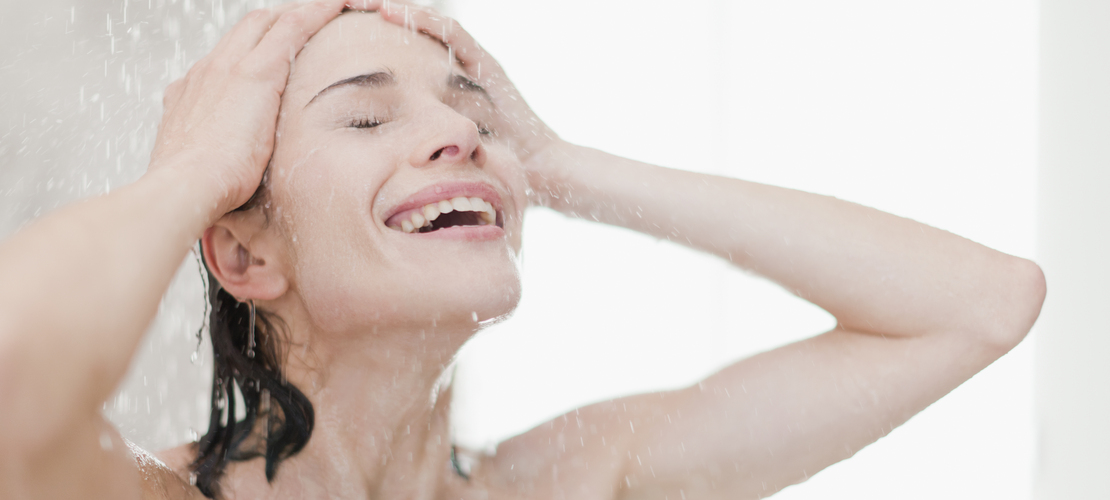
5 benefits of a cold shower
Top-notch blood circulation
When cold hits the skin, the blood vessels contract, an effect known as vasoconstriction, which speeds up the circulation of blood around the body. The organs are better irrigated with blood and receive more oxygen. This explains the popularity of the cold shower (taken at around 15 to 20 degrees) among women prone to varicose veins and heavy legs.
An anti-stress effect
After (or before) a stressful day, a short cold shower can help ease tension. The reason is an electrical phenomenon that acts on the brain and triggers the release of endorphins, those "pleasure" neurotransmitters known for their power against stress. According to ongoing studies, a cold shower may also have a beneficial effect on low mood. This is suggested in particular by a 2008 study available on the website of the National Library of Medecine*
Firmer skin and glossier hair
A cold shower helps skin gain tone by tightening the pores. Hair rinsed in cold water enjoys the same advantage: the cold water closes the hair cuticles, making hair look silkier and shinier. But this rinse should be preceded by another one in lukewarm water, to remove all traces of shampoo effectively.
An ally for burning calories
While it will not lead to significant weight loss, cold water forces the body to dip into its reserves to keep its temperature at 37 °C. The calorie burn is estimated at 200 for a shower lasting 2 to 3 minutes.
Better sleep
While a cold shower is often taken on waking for the energising jolt it provides, taking one before bedtime lowers body temperature. This makes it easier to fall asleep.
The cold shower in practice
To get the body used to it, it is best to shower from the bottom up, starting with the parts of the body furthest from the heart. The shower head should be set to its gentlest position, so that the water falls like rain. The shower should be short, two minutes at most, and no more than two to three times a week. When the skin turns red, the desired effect has been achieved, and it is time to end the shower.
A variation: the Scottish shower
Those who regularly visit thermal spas will be familiar with the Scottish shower. For everyone else, it involves taking a shower at around 30 degrees and then gradually lowering the temperature until the water reaches 0 °C.
A few contraindications to watch out for
A cold shower is beneficial, except for people with certain incompatible conditions, such as high blood pressure, a weak heart or any other illness that is sensitive to cold. Before adopting a cold-shower routine, a medical consultation is advisable.
 Health
 Health
 Health