
Why rhubarb is surprisingly good for you after 50
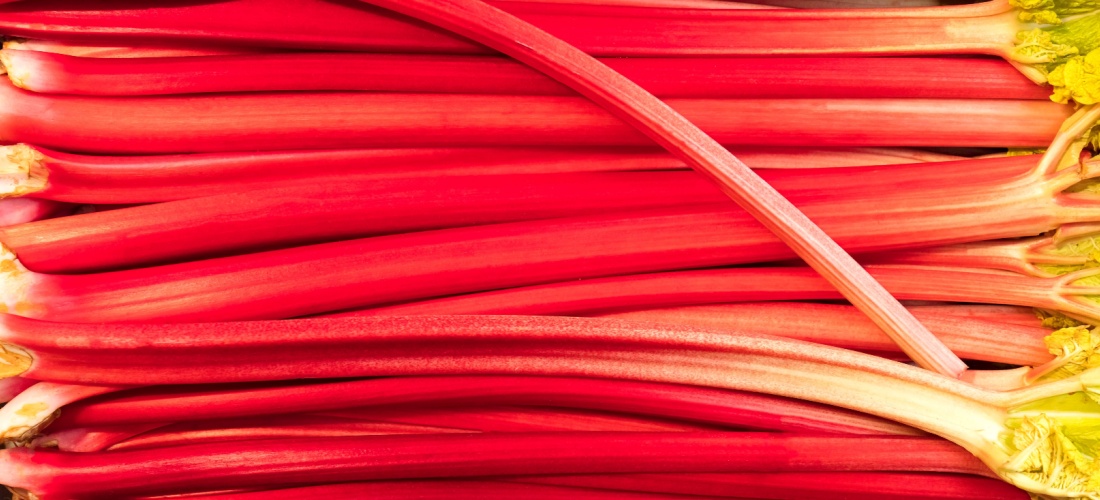
Rhubarb, those cheerful pink stalks so often associated with sweet desserts, is incredibly healthy. While this vegetable is culinarily versatile, it is also a nutritional powerhouse that can contribute to wellbeing as we age. Here's why:
Translated from Dutch. Original title: “Waarom rabarber zo verrassend gezond is op 50+ leeftijd”
1. It promotes bone health
One of the main concerns for people over 50 is bone health. Rhubarb is a good source of calcium, an essential mineral for strong bones and teeth. It also contains vitamin K, which helps the body absorb calcium and can improve bone density, which may help prevent osteoporosis.
2. It improves digestion
Digestive problems can become more common with age. Rhubarb is healthy because it is so rich in fibre, which can aid digestion and help prevent constipation. The fibre in rhubarb also contributes to a healthy gut flora, which can be beneficial for overall gut health.
3. It regulates blood pressure
High blood pressure is a common concern and can increase the risk of heart disease and strokes. Rhubarb contains potassium, a mineral that can help regulate blood pressure by counteracting the effects of sodium in the body. Adding rhubarb to your diet can therefore help keep your blood pressure under control.
4. It strengthens the immune system
We like to keep our immune system in good shape to prevent infections and illness. Rhubarb contains vitamin C, a powerful antioxidant that supports the immune system by stimulating the production of white blood cells and strengthening resistance to disease. The vegetable also has anti-inflammatory properties thanks to the compound amou-emodine, and rhubarb stimulates the production of macrophages. By eating rhubarb regularly, we can give our immune system a boost. But eating rhubarb every day is not a good idea either. The vegetable contains oxalic acid, which reduces the absorption of calcium in your body.
5. It boosts brain function
Rhubarb contains several B vitamins, such as folic acid and vitamin B6, which are important for healthy brain function. These vitamins play a role in reducing the risk of cognitive decline and can help maintain mental sharpness.
Preparation and cooking
How best to clean rhubarb depends on its condition and where you buy it. With older stalks, you may need to remove the thicker skin and the white base of the leaf. Wash the stalks thoroughly in water and then cut them into pieces. Make sure you carefully remove any leaves, as these may contain a poisonous acid. Rhubarb is often cooked in a pan with a little water. The pieces are usually tender in 8 to 12 minutes.
Would you like to receive the best stories from Fifty & Me in your inbox? Then sign up for the newsletter.
 Health
 Health
 Health