
What you need to know about the new screening tests for women's cancers
From our fifties onwards, the risk of developing breast, cervical or endometrial cancer increases. But the good news is that these diseases generally progress slowly, and that detecting them early can make all the difference. And screening methods are improving all the time: more targeted, less invasive, sometimes even preventive.
Translated from French. Original title: “Ce que vous devez savoir sur les nouveaux tests de dépistage des cancers féminins”
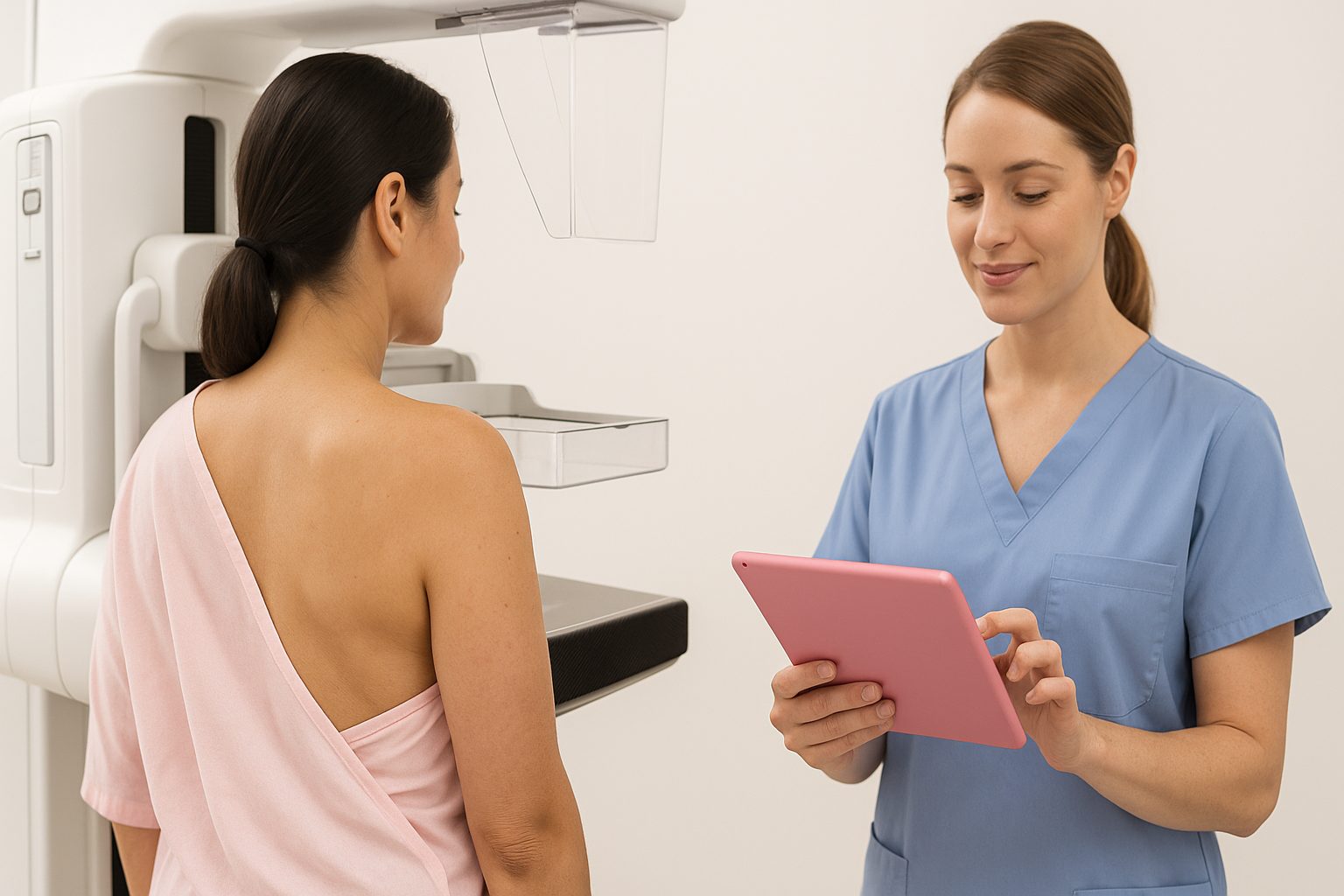
The days of standardised examinations for everyone are over. Prevention is now tailored to the individual, according to age, lifestyle, hormonal profile and even the intimate flora.
Vaginal microbiome: a new risk indicator?
It is a small revolution in gynaecological prevention: the vaginal microbiome is now being studied as a marker of overall intimate health. Certain imbalances in this flora can precede chronic inflammation, or even precancerous lesions. Recent tests (such as Florecheck, InVivo, etc.) make it possible to map the vaginal microbiome and to rebalance the flora at an early stage, using targeted probiotics. It is not yet reimbursed, but more and more gynaecologists are taking an interest.
3D mammography: an ally for dense breasts
Conventional mammography remains the gold standard for breast cancer screening, recommended every two years between the ages of 50 and 74. But in many post-menopausal women, breast density makes the images harder to interpret. This is where tomosynthesis, also known as 3D mammography, comes in. More precise, it captures images in thin slices, reducing false negatives, particularly in women with dense breast tissue. More and more centres are offering it at no extra charge.
A revolution in cervical screening
After the age of 50, a smear test is no longer routinely needed every year. But the HPV-HR test, which directly detects the presence of the human papillomavirus (responsible for 99% of cervical cancers), is becoming the benchmark. It is more reliable than the cytological smear, and can be spaced out to every 5 years if the result is negative. Still rarely offered, it can nonetheless be requested during a routine gynaecological examination. Some women even opt for vaginal self-sampling at home, now approved by the health authorities. An advance that combines autonomy and effectiveness.
Endometrium and ovaries: the great forgotten
There is as yet no systematic screening test for endometrial or ovarian cancer. Yet there are warning signs that should raise the alarm: post-menopausal bleeding, pelvic pain, persistent bloating… For women at risk (family history, overweight, diabetes), a regular pelvic ultrasound may be advised, particularly after the age of 55. In some cases, a CA 125 test (a tumour marker) or targeted genetic monitoring (BRCA1/2) is appropriate.
When heredity tips the balance
If there are cases of breast or ovarian cancer in your family, even in the previous generation, it may be worth considering a genetic predisposition assessment. It can detect mutations (such as BRCA1, BRCA2 or PALB2) and allow monitoring to be adapted. These tests, once reserved for women at very high risk, are gradually becoming available on medical prescription. And they offer tailor-made prevention, well before the disease appears.
And tomorrow?
Screening is entering a new era, at the crossroads of genetics and technology. Two innovations look particularly promising.
A blood test to detect everything?
Multi-cancer blood tests, known as liquid biopsies, are currently in clinical trials. The principle: to identify fragments of tumour DNA circulating in the blood, well before symptoms appear. A discreet advance, but potentially a decisive one for ultra-early detection.
Artificial intelligence at the service of mammography
Already used in some centres, AI refines the analysis of medical images, particularly in women with dense breast tissue. The result: abnormalities spotted earlier, more reliable interpretation, and fewer missed diagnoses.
More refined, more female-centred prevention
The fifties are not the age of decline, but of informed vigilance. By taking charge of our intimate health, asking the right questions and stepping outside the sometimes overly rigid framework of mass screening, we gain freedom.
The right test, at the right time, for the right person: that is the key to ageing well, calmly and actively. No longer enduring, but choosing. No longer waiting, but anticipating.
 Health
 Health
 Health