
What to Eat and Drink When the Sun Is Shining
When temperatures soar, we all reach for whatever helps us cool down: drinks, but also fresh, water-rich foods. Which ones should you eat (or avoid) to prevent deficiencies while staying hydrated?
Translated from French. Original title: “Les aliments à privilégier en vacances au soleil”
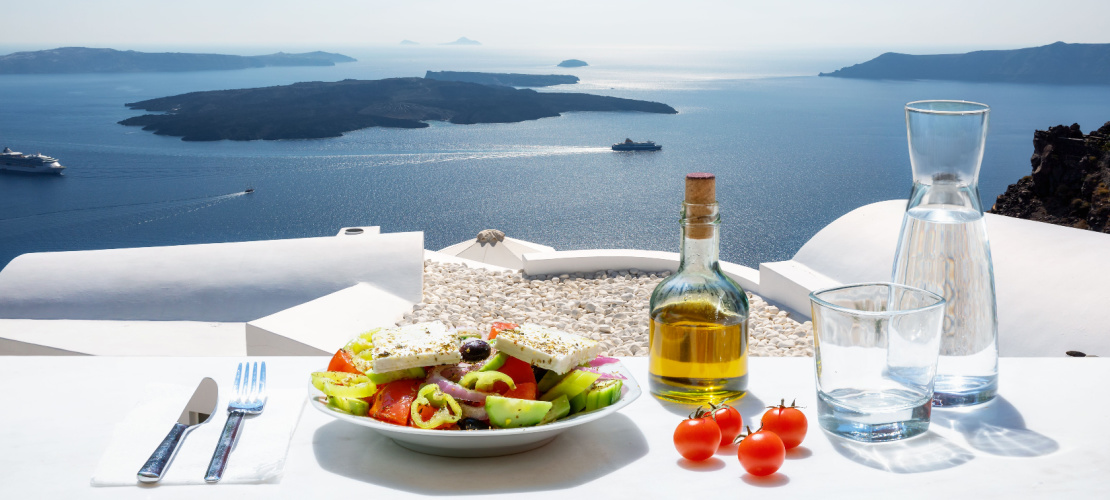
Which foods will help you cool down?
What should you put on the menu when it is sometimes scorching hot? Most of us would probably give the same answer: rely on raw fruit and vegetables to quench your thirst. It is a solution that nutrition coach Nicole Salens qualifies: "Yes, raw fruit and vegetables are an excellent source of water and vitamins. But beware of the excess sugar found in fruit, which can lead to weight gain. What is more, too many raw fruit and vegetables can cause digestive problems, such as cramps and diarrhoea. It is therefore best to moderate your daily consumption. Your menu should also include starchy foods, found for instance in a delicious rice or pasta salad. As for protein, which is just as essential, think of adding eggs to a mixed salad. A little cold meat or a fish carpaccio are simple, good ideas for getting your protein." Finally, it is best to avoid meals that are too heavy, too fatty or too spicy. They take a long time to digest, producing heat in the process – exactly the opposite of what we want in summer.
Hot or cold foods?
This question also crops up in the debate, and it is a difficult one to answer definitively. For Nicole Salens: "The important thing is not to cause thermal shock within the body. Drinking something too cold in an attempt to cool down can cause intestinal upsets such as diarrhoea or stomach ache, brought on by the constriction of the blood vessels. Forcing the body to cope with very cold water also risks triggering cold-induced headaches and can cause heart rate disturbances, through the cooling of the sympathetic nerve." The same principle applies to ice cream, which should be eaten in moderation – both for the icy effect and for the calories and sugar it contains.
And what should you drink to hydrate properly?
In very hot weather, it is tempting to enjoy an ice-cold beer or a glass of chilled rosé. These are false friends to be avoided at all costs. The same goes for fruit juices, fizzy drinks and certain hot drinks, such as tea or coffee. All of them will only increase thirst and dehydration because of their diuretic effect. Fair enough, but what should you drink instead? The ideal answer is to quench your thirst with large glasses of still water, drinking between a litre and a half and two litres a day. If water is not your cup of tea, why not add a slice of lemon or cucumber, or even a few mint leaves, for an extra touch of freshness?
"Finally, it is worth remembering one major principle: drink before you feel thirsty. This advice applies even more to children and older people, who are prone to dehydration and its serious consequences. To know whether you are drinking enough, keep an eye on the colour of your urine. If it is too dark, it is a sign of dehydration," concludes Nicole Salens.
Photo Shutterstock.
 Health
 Health
 Health