
What Spring Changes After the Menopause
Translated from French. Original title: “Ce que le printemps change après la ménopause”
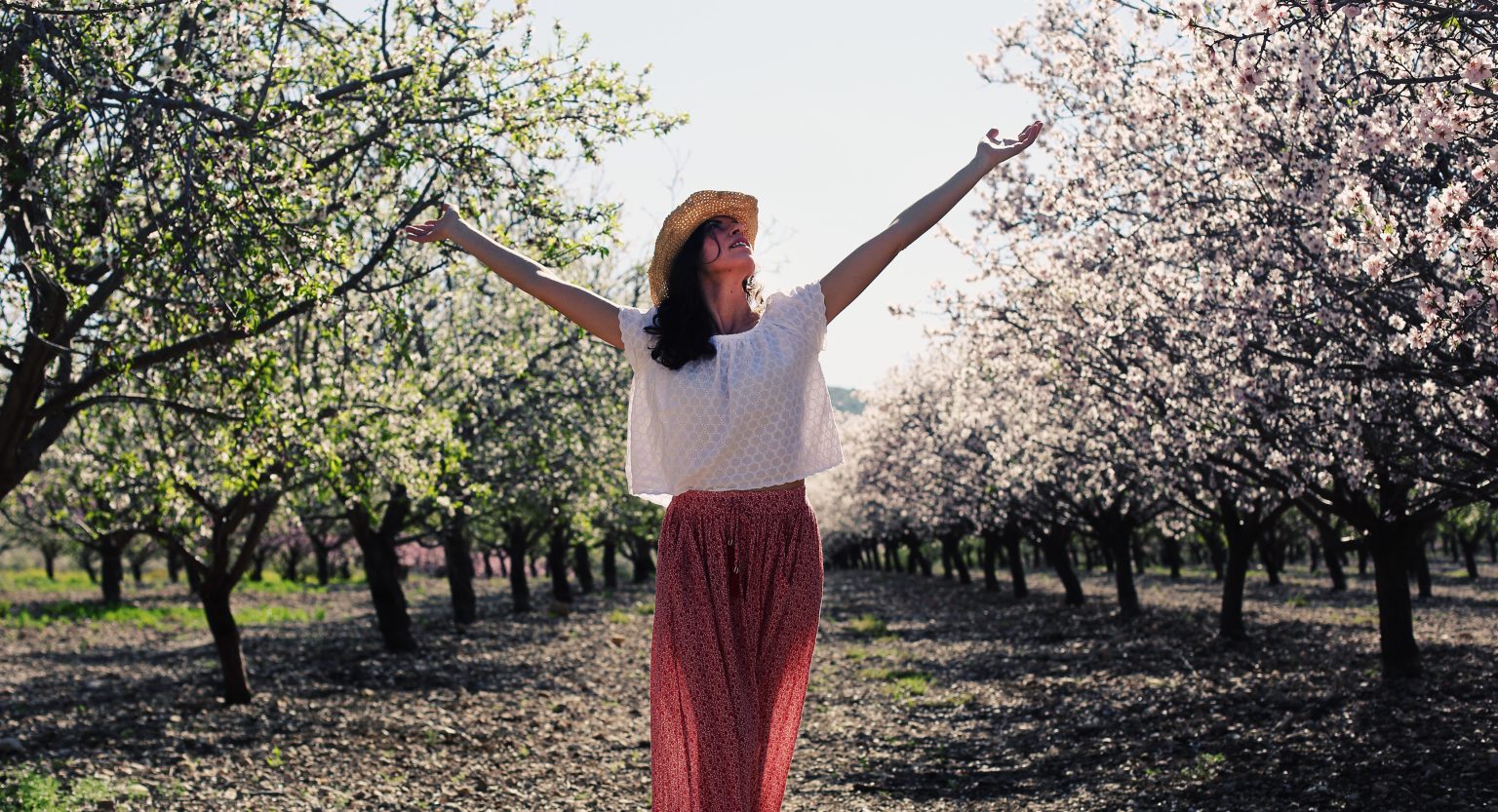
When light takes over from hormones
After the menopause, the brain has to manage without the hormonal support that, for decades, helped regulate mood, energy and the ability to look ahead. This transition is not merely emotional: it is neurochemical. Longer days act directly on the hypothalamus, the conductor of our biological rhythms. Light curbs the daytime secretion of melatonin, the hormone that signals it is time to wind down, and encourages the production of serotonin, then dopamine.
Dopamine is not the "happiness hormone", as we so often hear. It is the hormone of inner momentum: deciding, initiating, getting up, going out, beginning. After 50, it is not the desire that vanishes; sometimes it is access to the drive. Spring, biologically speaking, reopens that passage.
Why "it comes back" without our knowing why
Many women describe the same thing, quietly: quicker thoughts, less stubborn tiredness, a new sense of availability. Nothing spectacular, but an inner shift.
Neuroscience studies show that greater exposure to natural light improves brain plasticity, that is, the brain's ability to form new connections. Contrary to popular belief, this plasticity does not disappear with age; it simply becomes more dependent on our surroundings.
Neither laziness nor depression
Post-menopausal fatigue is often misunderstood. Too vague to be called medical, too persistent to be dismissed. Yet it stems from a genuine imbalance between biological rhythms, neurotransmitters and mental load. Spring does not put an end to it. But it changes its dynamic. Some women wake up earlier, not through insomnia, but because the body anticipates the light. Others feel a slight restlessness, an urge to move without knowing why.
What you can do:
There is no need to turn spring into a personal project. The body knows what to do. Often, it is enough not to resist it.
Get out into the light early: Not the light of screens. The light of day. Even briefly.
Move without a purpose: Dopamine loves simple gestures. Walking, tidying, popping out to buy bread. Movement comes before motivation, not the other way round.
Notice your urges instead of judging them: An idea that keeps coming back. A abandoned activity that resurfaces. These are not whims; they are often neurobiological markers.
Spring is not a promise, it is a window
It does not make you younger. It does not mend everything. But it creates a zone of transition, a moment when the brain is more receptive, more open to change, however slight. Some women will see it as an impulse. Others, as simple relief. There is no hierarchy. Spring demands nothing… It merely offers.
 Health
 Health
 Health