
What is monkeypox?
At the end of his book on zoonoses, Spillover (published in French as Le grand saut, éd. Flammarion), David Quammen poses a crucial question: "What will the next pandemic be after Covid-19?" Without prejudging the scale of the new zoonosis now spreading around the world, the answer could be linked to monkeypox. Here is what you need to know.
Translated from French. Original title: “Qu’est-ce que la variole du singe ?”
Monkeypox: what is it?
Covid-19 may have made us forget that other viruses are active around the world. The return of monkeypox, or simian orthopoxvirosis, is a timely reminder. It is a zoonosis, that is, a disease that passes from animals to humans. Just like Covid. This illness, well known to the medical community, is back in the news because of the mystery surrounding its appearance outside its usual territory: the regions of central and western Africa. For now, epidemiologists remain reassuring, with some 67 cases recorded in the European Union. As for the animal responsible for transmission, it has yet to be identified with certainty. Is it the bat again, or the squirrel, which has been implicated in the past? Time will tell.
What are the typical symptoms?
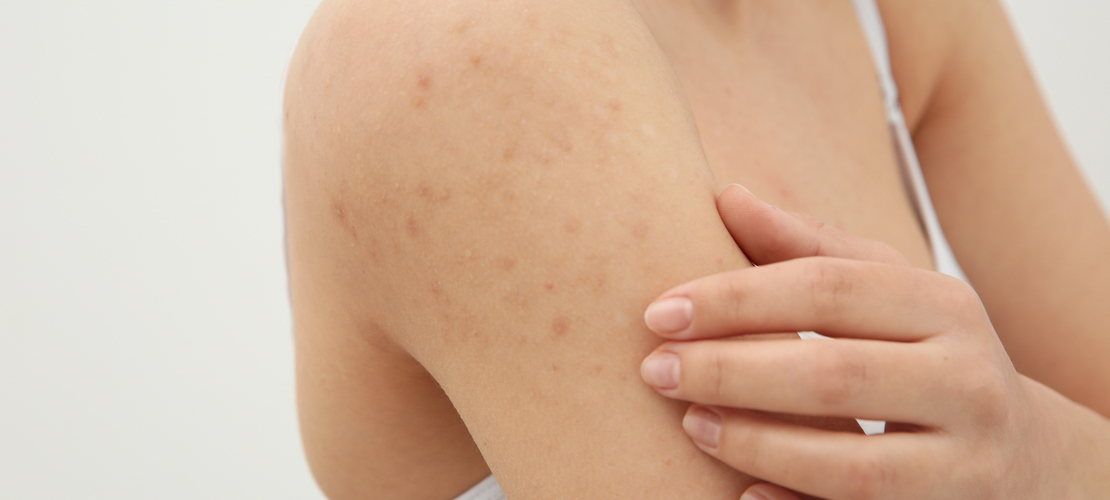
First identified in the 1970s, monkeypox causes clearly visible symptoms: aches and pains, fever and a rather dramatic skin rash, with spots on the face, genital area or arms. The incubation period is 5 to 21 days. It is rare for the disease to pass from one person to another, except through close and prolonged contact, such as during sexual intercourse, with an exchange of fluids between two people. According to data provided by the WHO, the disease clears up on its own within a few weeks and is fatal in only one case in ten. One solution currently being studied is the possible use of the smallpox vaccine against the virus.
How can you avoid infection?
Without succumbing to panic, it is worth spelling out the steps to take to avoid infection as far as possible. Besides entering the body through existing skin lesions, the virus can get in through the nose, mouth or eyes. Infection can also occur through contact with the clothes or bedding of a sick person, as well as through hand contact or via droplets released by coughing or sneezing. These are all good reasons to keep up our protective habits. And, as with Covid, the best reflex is to wash your hands regularly.
An illness, not an STI
Although most of the current cases have been detected in the gay community, notably at the recent Darklands gay festival in Antwerp, monkeypox is not considered a sexually transmitted infection. Anyone can catch it, with a higher risk for the sick, the immunocompromised and older people. According to the latest figures released by virologist Marc Van Ranst, 4 cases have been detected in Belgium. There is therefore no reason to panic. For the moment.
 Health
 Health
 Health