
Walnuts: the superfood with a host of benefits
There's no need to travel to Bastogne, Nuts city, to enjoy walnuts. They are available on market stalls everywhere. It would be a great shame to deny yourself their many health benefits. And with winter upon us, their positive effect on strengthening the immune system, already weakened by the menopause, should not be overlooked. Walnuts? Think of them as a little powerhouse of nutrients essential to the good health of women in their fifties.
Translated from French. Original title: “Les noix, ce super aliment aux multiples bienfaits”
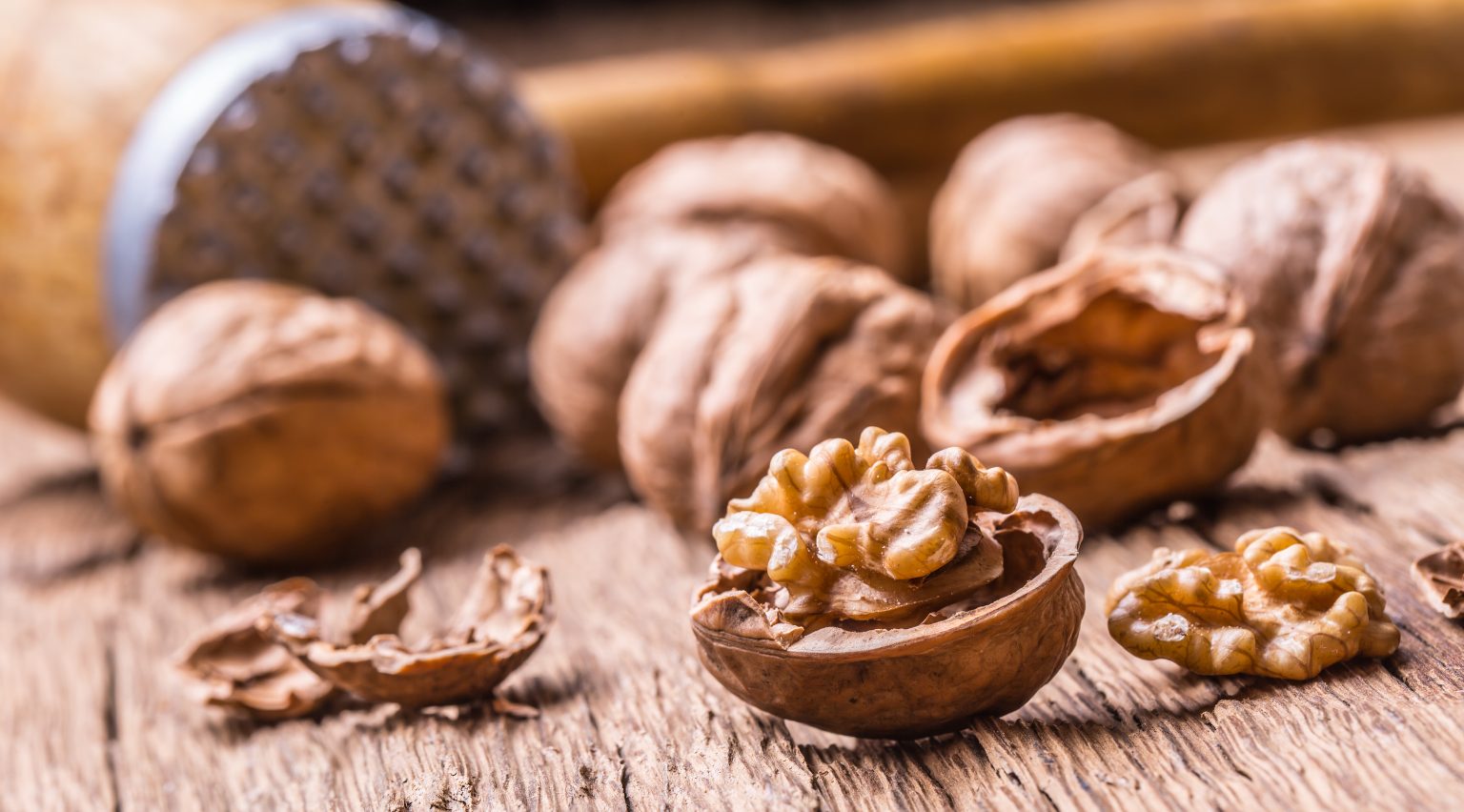
Many positive properties
This nut, as tasty as it is beneficial, has more than earned its reputation as a superfood. Thanks to the abundance of omega-3 in their composition, walnuts have a protective effect against the risk of cardiovascular disease, with a reduction in the risk of heart attack, which increases after the menopause. This protection is also provided by the presence of potassium and antioxidants, all effective players in the fight against bad cholesterol (LDL).
The high fibre content of walnuts, for its part, ensures optimal digestive transit and creates an immediate feeling of fullness. Perfect for avoiding the temptation to snack and keeping your figure in check. Walnuts also contain magnesium, iron, potassium, vitamins B9 and E, and calcium. Not forgetting beta-carotene, the antioxidant that plays a major role in protecting the eyesight, the skin and the immune system, all of which are weakened by age.
Eating walnuts to reduce the risk of dementia?
Several scientific studies, including one carried out by British researchers in 2025 (1) on some 50.000 people, have highlighted the value of eating walnuts to reduce the risk of Alzheimer's disease and other age-related causes of dementia. The published results indicate that regular consumption of walnuts could improve cognitive functions, such as memory and attention. The studies point to the positive effect of omega-3 in counteracting the production of the toxic protein amyloid beta.
A helping hand for getting to sleep
With stress, and the effects of age combined with those of the menopause, sleep in your fifties is often disrupted, with difficulty falling asleep. Eating a handful of walnuts in the evening can help you drift off naturally. As well as magnesium, walnuts contain an amino acid that is essential to our well-being: tryptophan. Our bodies convert it into melatonin, the key hormone for getting to sleep. All the more reason to swap the bag of crisps for a handful of walnut kernels (about 40 g), so you can slip more easily into the arms of Morpheus and enjoy a restorative night's sleep.
A tasty treat, but with a few recommendations
While walnuts have plenty going for them, they can also cause a few health problems that should be taken into account. These include nut allergies, which vary in severity from one person to the next. For some people, eating walnuts can also cause mouth ulcers and/or poor digestion.
Do walnuts make you put on weight?
Madeleine Clarens, a nutrition coach, replies: "The high calorie content of walnuts, at around 700 kcal per 100 grams, can contribute to weight gain, but only if they are eaten to excess. The recommended amount is around 20 to 25 kernels a day, as part of a balanced diet." Finally, eating too many walnuts, which are rich in phytates, can lead to poor absorption of iron and zinc by the body.
 Health
 Health
 Health