
The right habits to beat heavy legs
Translated from French. Original title: “Les bons réflexes contre les jambes lourdes”
When the heat slows our circulation
Our body is a remarkable machine when it comes to adapting. When it's hot, it widens the blood vessels to release heat and keep our temperature steady. A clever mechanism… but one with a small downside. The veins have to work harder to send blood from the feet back up to the heart. And when their tone decreases – which happens naturally with age – blood tends to pool more in the legs.
The result? A feeling of heaviness, swollen ankles, sometimes a little tingling, night-time cramps or spider veins that suddenly seem more visible.
We talk a lot about the menopause in connection with hot flushes or restless nights. Much less often about its impact on circulation. Yet the drop in oestrogen also affects the flexibility of the vein walls. They become a little less toned, a little less efficient. Add to that hotter days, a few hours sitting in the car on the way to your holidays, or a whole day on your feet entertaining family and friends… and your legs are begging for a break. It's not a sign of weakness. It's simply an invitation to look after yourself in a different way.
The best remedy?
When our legs seem to want to stay still, our first instinct is often… to stop moving. And yet it's exactly the opposite that they need. Every step activates the calf muscles, that "natural pump" which helps blood flow back up to the heart. A morning walk before the heat of the day, a stroll by the sea, a few lengths of the pool or even a few mobility exercises at home can make a real difference. There's no need to push yourself. Regularity matters far more than intensity.
A little coolness
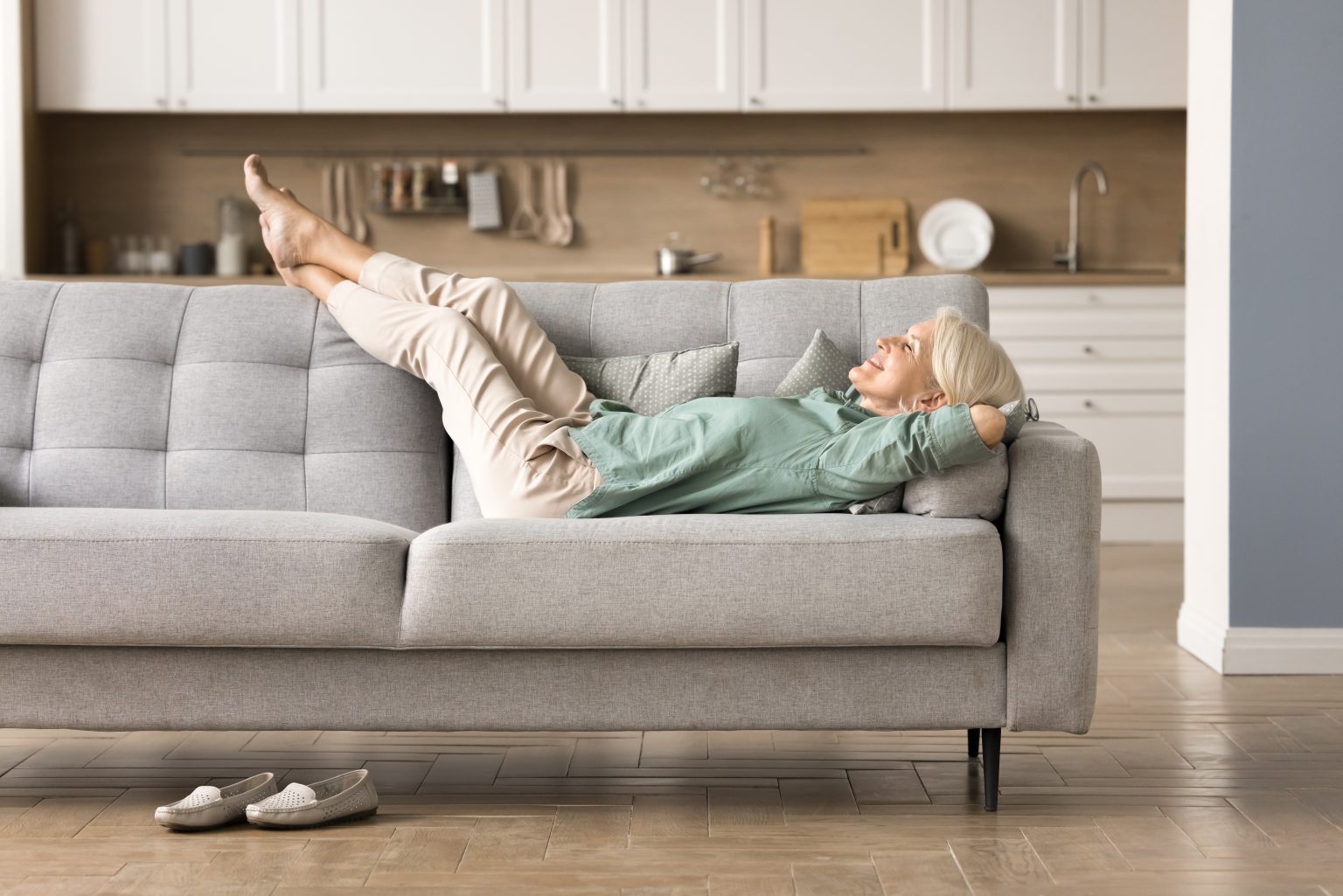
Summer also teaches us to slow down. A shower that ends with a jet of cool water from the ankles up to the thighs. A few minutes with your legs slightly raised after an active day. A break in the shade rather than in full sun. These little rituals, almost trivial, send a real message to our circulation: "You can breathe out." They quickly become moments of wellbeing as much as preventive habits.
Everyday allies
Some habits make all the difference. Drinking enough water, even when you're not thirsty. Choosing clothes that let the blood flow freely rather than very tight trousers. Taking every opportunity to walk rather than staying still for long periods. And, when it is recommended, wearing compression stockings or socks, especially on long journeys. They have come a long way and are now far more comfortable and discreet than you might imagine.
Plants: a little helping hand
Nature has a few resources of its own too. Red vine, horse chestnut, butcher's broom and witch hazel are traditionally used to support venous circulation. Some women also enjoy cooling gels, which bring instant relief when temperatures climb. As always, natural doesn't mean harmless: it's best to ask your pharmacist or doctor for advice, especially if you are already taking medication.
Listening to what your legs are telling you
Heavy legs are often harmless, but they deserve to be heard. If the pain becomes severe, if one leg suddenly swells, or if redness or a sensation of heat appears, it is essential to seek medical advice quickly. Likewise, if the discomfort becomes a daily occurrence or limits your activities, a check-up will make sure it isn't venous insufficiency requiring treatment.
Looking after your circulation also means preserving your freedom of movement.
 Health
 Health
 Health