
The benefits of thyme
With the return to routine and the arrival of autumn, plenty of minor seasonal ailments will punctuate our daily lives: general fatigue, respiratory troubles and so on. Thyme can help with all of these, thanks to its many benefits. And it is very easy to grow, so you can produce your own supply.
Translated from French. Original title: “Les bienfaits du thym”
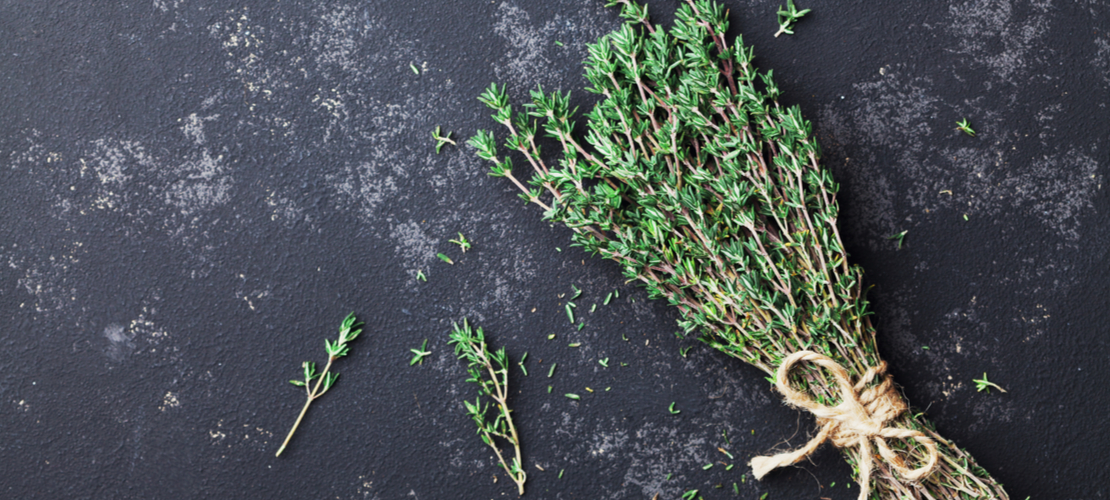
The benefits of thyme
- A powerful antioxidant, thyme helps prevent cellular ageing.
- Helps treat bad breath and protects against dental plaque.
- Expectorant properties for colds and coughs.
- Diuretic effect.
- Protective effect against bloating, flatulence and digestive troubles.
- An excellent anti-inflammatory, antifungal and antibacterial.
- Probable protective effect against certain neurodegenerative diseases such as Alzheimer's disease, thanks to the presence of apigenin, a molecule that protects brain function.
- Taken as an infusion, thyme helps fight physical and mental fatigue thanks to two compounds: thymol and carvacrol.
- Strengthens the immune system.
How to use thyme
Thyme is generally used as a herb to enhance the flavour of vegetables, meat or fish. But it is increasingly turning up in reinvented dessert recipes, such as fruit jams with thyme or poached pears with thyme. A second option is to take thyme as an infusion, an ideal solution for treating ENT infections such as colds. Simply leave 2 to 3 grams of dried thyme to infuse in about 100 ml of hot water for a few minutes. Thyme can also be used as an essential oil, in capsules or as a tincture.
Before using it, it is best to seek medical advice. Thyme can cause allergies and is not recommended for pregnant women or for anyone on anticoagulant treatment.
How to grow your own thyme
Thyme can easily be sown in the garden. To make things simpler and save time, you can also buy young thyme plants to replant, either in the garden or in small pots on the terrace, so that you have it close at hand in the kitchen. The great advantage of this herb is that it is available all year round (it withstands temperatures as low as -15°C). Thyme loves sun and warmth, and copes well with drought. You can combine two very popular varieties: common thyme and lemon thyme.
Finally, don't hesitate to plant tufts of thyme near your lovely roses to protect them against attacks by aphids.
Tips and tricks for keeping thyme
To make the most of your home-grown thyme, a few tips are worth following. Cut it early in the morning to enjoy its fragrance at its best. Don't let it become invasive, and prune your clump of thyme without guilt, as this encourages the growth of young stems, which are more flavoursome than the woody ones. As soon as summer is over, cut your harvest for the winter. Wash and dry the stems, then tie them into bunches and hang them upside down in a dry, rather shady spot. Thyme stems can also be frozen.
 Health
 Health
 Health