
Sarcopénie: why your muscles matter more than your age
Translated from French. Original title: “Sarcopénie : pourquoi vos muscles comptent plus que votre âge”
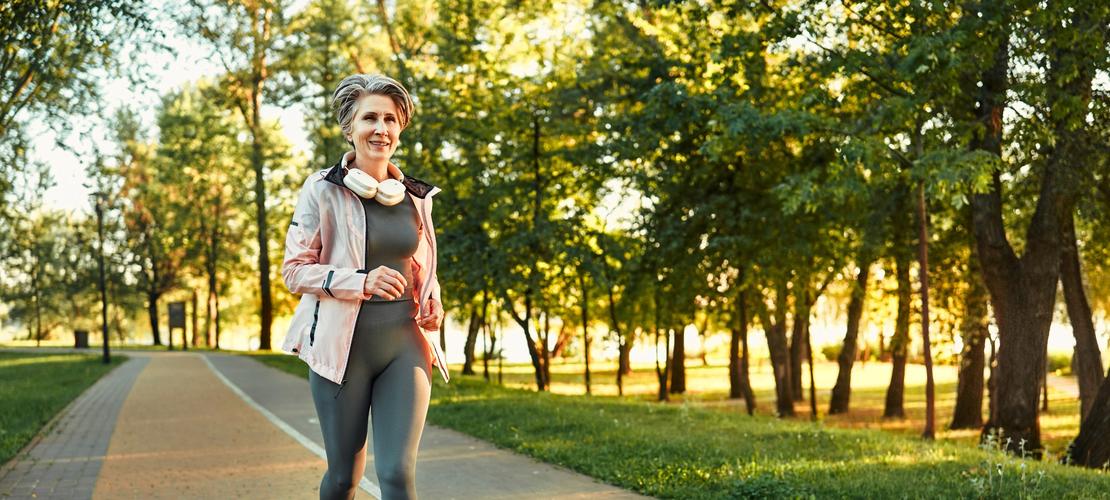
Sarcopenia: an unfamiliar word, a universal phenomenon
Sarcopenia is the progressive loss of muscle mass, strength and function. It begins insidiously from around the age of 50, and speeds up over time if nothing is done. It is not inevitable. But it is a turning point.
According to Inserm, after 50 we lose on average 1 to 2% of our muscle mass each year, and up to 3% after 70. It is not always visible, but you can feel it: stairs that are harder to climb, a heaviness on waking, tiredness that comes on more quickly.
Why muscles are far more than a simple engine
Muscle is not just a tool for movement. It is an organ in its own right, at the heart of our overall balance. It plays a crucial role in:
- regulating blood sugar: muscle is the body's main site for storing glucose;
- preventing falls and fractures: through balance and bone density;
- stimulating cognition: muscle activity triggers the release of myokines, molecules that nourish the brain;
- fighting chronic inflammation: by modulating systemic inflammatory markers.
In short? The more we look after our muscles, the more we slow ageing… of the body, but of the mind too.
Spot the signs!
Sarcopenia remains invisible for a long time. But certain signs can sound the alarm, such as difficulty getting up from a chair without using your arms, muscles tiring more quickly, reduced stamina during simple tasks (carrying shopping, walking for 20 minutes), or even weight loss without a change on the scales — a sign that muscle is melting away while body fat stays put.
A very simple test? The "chair test": stand up and sit down 5 times in a row without using your hands. If this takes real effort, it is time to act!
Muscle can be built… even after 60
The good news is that muscle plasticity remains intact at any age. We can regain strength, tone and even muscle mass, provided we go about it methodically.
The pillars of an anti-sarcopenia plan:
- Regular physical activity, combining strength training (Pilates, gentle gym, light dumbbells) and endurance (brisk walking, swimming, cycling).
- Sufficient protein intake, ideally spread throughout the day: eggs, fish, pulses, tofu, fromage blanc… (1 to 1.2 g of protein per kilo of body weight, according to recent recommendations).
- Exposure to natural light, to support the synthesis of vitamin D, which is essential for muscle function.
- Hydration and sleep, all too often underestimated, but vital for muscle recovery.
And what about women?
When we think of muscle training, we often picture men. Yet women are more affected than we might think: the drop in oestrogen at the menopause is accompanied by an accelerated loss of muscle mass… and of strength too.
That is why it is crucial to rethink your movement routine after 50. Not to sculpt, but to protect your future independence.
Longevity: a question of strength
Ageing beautifully, yes. But above all, ageing in motion. Muscle is our reserve of energy, vitality and independence.
Sarcopenia is not inevitable; it is a warning signal. An invitation to invest, not in performance, but in inner strength. The kind that lets us carry our grandchildren, travel, laugh without tiring, and stay free to go where our feet take us.
And what if, from 50 onwards, our true age were no longer measured in years… but in muscle?
 Health
 Health
 Health