
Raynaud's disease: when the cold threatens your fingers
Translated from French. Original title: “Maladie de Raynaud, ou quand le froid menace vos doigts”
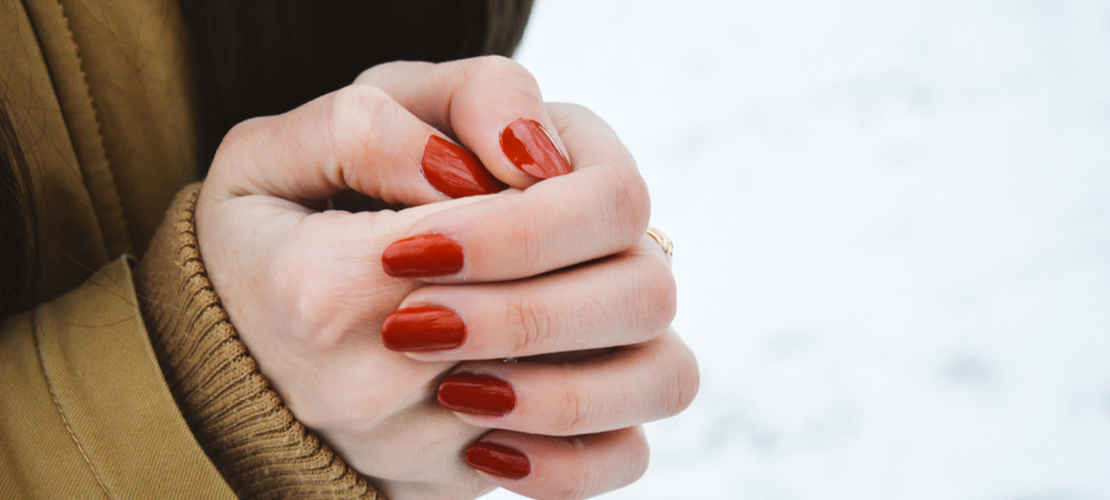
A condition that mainly affects women
With the wintry temperatures we have been having, you may find the tips of your fingers painful, turning from white to purple. As if you had plunged them into a long bath of ice-cold water. You are probably suffering from what is known as Raynaud's disease (or phenomenon), named after the man who first described it, in 1862. And it affects mainly women. Sadly. Not everything is known about it, but let us take a look at what we do know.
Where does Raynaud's disease come from?
Its story begins with an explanation of how our body reacts to the cold. To protect our sensitive organs, including the heart, our arteries tighten in order to send them as much blood as possible. This is what causes the feeling of cold we usually experience in our extremities. A perfectly normal phenomenon. But in patients with Raynaud's disease, the body's heat-regulation system is far more sensitive. The result is a sudden backflow of blood and the symptoms observed and endured: white, painful fingertips. In medical jargon, this is known as acrocyanosis.
A disease with two faces
Generally, Raynaud's disease affects a young female population, between the ages of 15 and 30. The medical profession calls this the primary form of the disease.
A capillaroscopy will determine whether you are suffering from primary Raynaud's disease or a more severe form. In the latter case, it will be scleroderma. This form is found among women over 50. The skin on the fingers thickens and hardens while becoming even more sensitive to the cold. This is a condition that needs to be monitored by an angiologist in order to avoid possible complications (such as deformed fingers or toes).
How to cope with it
It should be noted that the disease cannot be cured with medication.
When it is cold, cover your hands to keep them at a comfortable temperature. Also cut down on tobacco and caffeinated drinks, both of which have a vasoconstrictor effect. In severe cases, vasodilators can bring relief. These are generally calcium channel blockers (the most effective) or alpha-blockers. All of these products aim to widen the blood vessels. But doctors remain cautious about using them, because of their side effects. These include headaches, dizziness and heart problems. Other medicines are sometimes added to vasodilators to increase their effectiveness, such as certain antidepressants (fluoxetine in particular). In the worst cases, when gangrene is looming, hospital admission must be considered so that the patient can be monitored to avoid amputation.
 Health
 Health
 Health