
Pelvic floor physio at 50: why wait?
Translated from French. Original title: “La kiné du périnée à 50 ans ?”
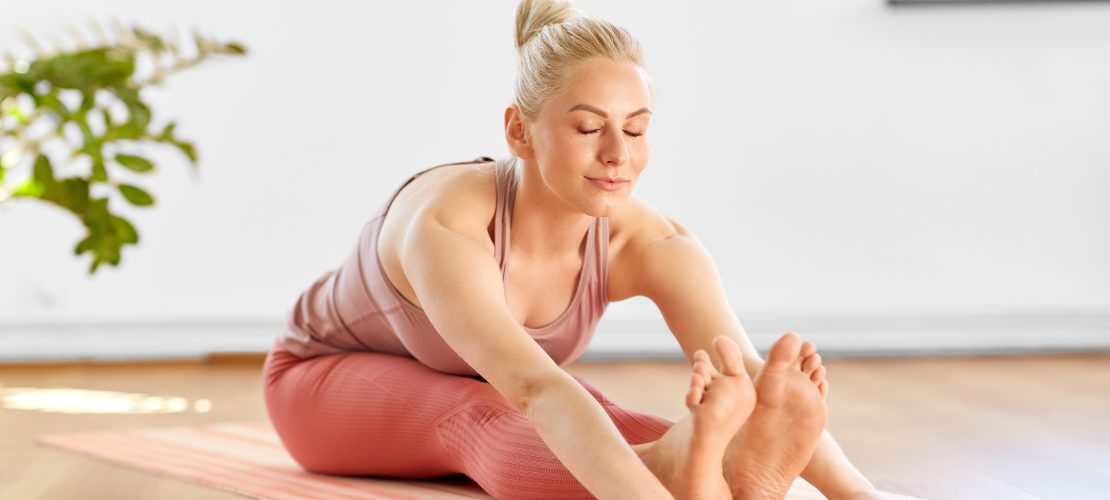
A subject long considered taboo
The pelvic floor. The very word is enough to make some roll their eyes and others smirk. Yet this group of muscles, located between the pubic bone and the coccyx, plays a crucial role. It supports the pelvic organs, ensures continence and contributes to sexual pleasure. The problem: with age, plummeting hormones, the toll of past pregnancies or a sedentary lifestyle, it loses tone.
The result: nearly one woman in two over 50 suffers from problems linked to a weakened pelvic floor. Urinary leaks during exercise, a feeling of laxity, sometimes a loss of sensation during intercourse. All signs that often go unmentioned, out of modesty or resignation.
Targeted, effective physiotherapy for the pelvic floor
This is where pelvic floor rehabilitation comes in. With the help of a specialist physiotherapist, it is possible to relearn how to contract these deep muscles and restore their supporting role. After just a few weeks of regular practice, the effects are felt: better bladder control, improved posture, renewed sexual sensation, and sometimes even a better silhouette.
"It's real groundwork, and it often brings a greater sense of overall wellbeing," confirms Sophie D., a specialist physiotherapist in Lyon. "At 50, it's never too late to get started."
Technology enters the intimate sphere
If the idea of consulting a professional in a clinic puts some women off, technology now offers alternatives. Discreet, connected and designed for use at home, several solutions make it possible to strengthen your pelvic floor the way you would do yoga or core work.
Among them:
- The Perifit or the Elvie Trainer, probes connected to a mobile app, where each contraction controls a little video game.
- Pelvic floor electrostimulation devices, used as a course of treatment or for maintenance, ideal for very weakened pelvic floors.
- Apps (without a probe), which focus on breathing, posture and activating the deep muscles.
The aim: to make this practice as natural and accessible as a session of abs or Pilates.
Pelvic floor physio: a habit to adopt for the long term
As with any muscle training, the key lies in consistency. A few minutes a day are enough, as long as you stick to it. Some women build these exercises into their morning routine, while others practise them discreetly in the car or in front of the TV.
"The hardest part is starting," admits Claire, 52, who has been using a connected probe for six months. "But afterwards, you feel the benefits so much that you can't do without it."
A public health issue that is still underestimated
Beyond individual comfort, the question of the pelvic floor at 50 touches on a public health issue. Fewer leaks means fewer sanitary pads, fewer consultations for urinary infections, less social embarrassment. Not to mention the boost in confidence it brings, often cited as the number one benefit by the women concerned.
So why wait for problems to appear before taking an interest? At 50, strengthening your pelvic floor means investing in your quality of life, for today and for tomorrow.
Would you like to receive the best Fifty & Me articles in your inbox? Sign up for the newsletter!
© Illustration: Shutterstock
 Health
 Health
 Health