
Night sweats: 6 key causes and what you can do about them
Translated from Dutch. Original title: “Nachtzweten: 6 belangrijke oorzaken en de mogelijke oplossing”
1. Menopause
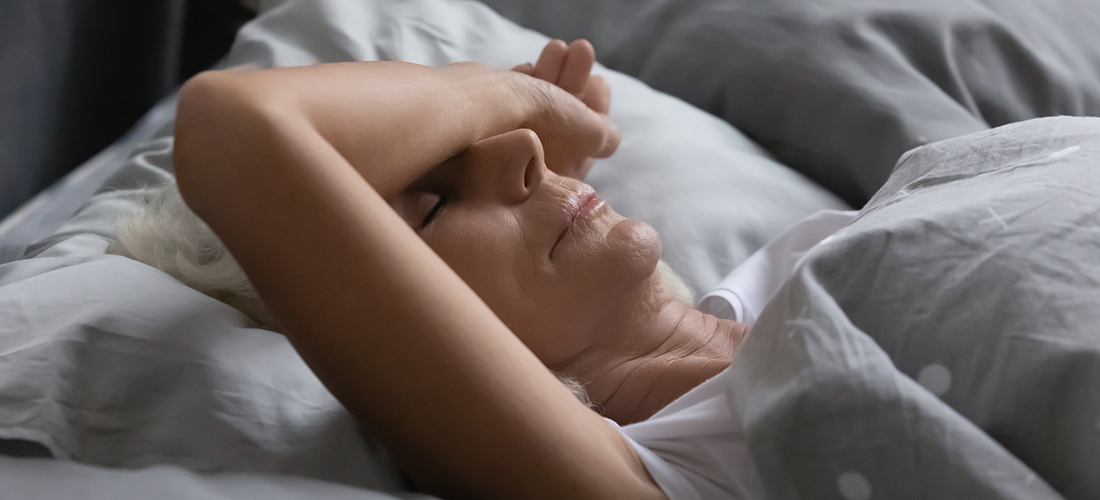
Many women experience night sweats in the early stages of the menopause, though to differing degrees. This is because your ovaries produce less oestrogen during the menopause, which can throw the so-called hypothalamus off balance. The hypothalamus is the part of your brain that, among other things, regulates your body temperature. The lower oestrogen level can make your body suddenly think, at unexpected moments, that you are overheating, even though you are not. At night, for example.
2. Idiopathic hyperhidrosis
People with hyperhidrosis sweat more than is needed to keep their body temperature constant. The symptoms of idiopathic hyperhidrosis usually appear in adolescents and young adults and often get worse during puberty. Excessive sweating of the hands usually starts in early childhood, of the armpits in adolescence and of the face in adulthood. The cause is probably genetic.
3. Medication
Antidepressants, cortisone and painkillers, among others, have night sweats as a side effect. Certain diabetes medicines can also be the cause. Even drugs used to bring down a fever, such as aspirin and paracetamol, can cause night sweats.
4. Hypoglycaemia
A blood sugar level that is too low, or hypoglycaemia, can also cause sweating. When your blood sugar drops too low, your body goes into stress mode. A sudden surge of adrenaline is released, which can make you sweat and tremble. But don't worry: it is a temporary phenomenon that hardly ever occurs in healthy people and mainly affects people with diabetes. You may also experience dizziness or severe tiredness.
5. Fever
Any infection that causes a fever can lead to sweating at night.
6. Sleep apnoea
With sleep apnoea, your breathing stops at times while you sleep, so you may wake up often and prematurely. Many people with sleep apnoea also suffer from nightmares, shortness of breath at night, a feeling of suffocation and frequent trips to the toilet during the night. You may also sometimes make light or violent leg movements. And yes: heavy night sweats (especially around the shoulders and neck) and a dry mouth are also common.
Combating night sweats
To limit moisture production and keep night sweats at bay, you can, among other things:
- Avoid alcohol and spicy food.
- Not eat too late, and avoid heavy meals from two hours before going to bed.
- Set the temperature in your bedroom between 16 and 22°C.
- Use a temperature-regulating mattress protector that absorbs and wicks away perspiration.
- Choose cotton nightwear and bed linen, and avoid synthetic sheets and pillowcases.
- Give your body enough time to cool down after exercise.
Would you like the best stories from Fifty & Me delivered to your inbox? Then sign up for the newsletter.
Source(s): AMC, RIVM, Gezondheidsplein
Image © Shutterstock
 Health
 Health
 Health