
Jerusalem artichoke: a precious ally against osteoporosis
Mention the Jerusalem artichoke (Helianthus tuberosus) and it will bring back very bad memories for older generations, tied to the years of deprivation between 1940 and 1945. During the war, it replaced the potato, which was rationed by the Germans. But this tuber does not deserve such ostracism. It is making a comeback, with nutritionists encouraging us to eat it again for its many qualities.
Translated from French. Original title: “Le topinambour, un précieux allié contre l’ostéoporose”
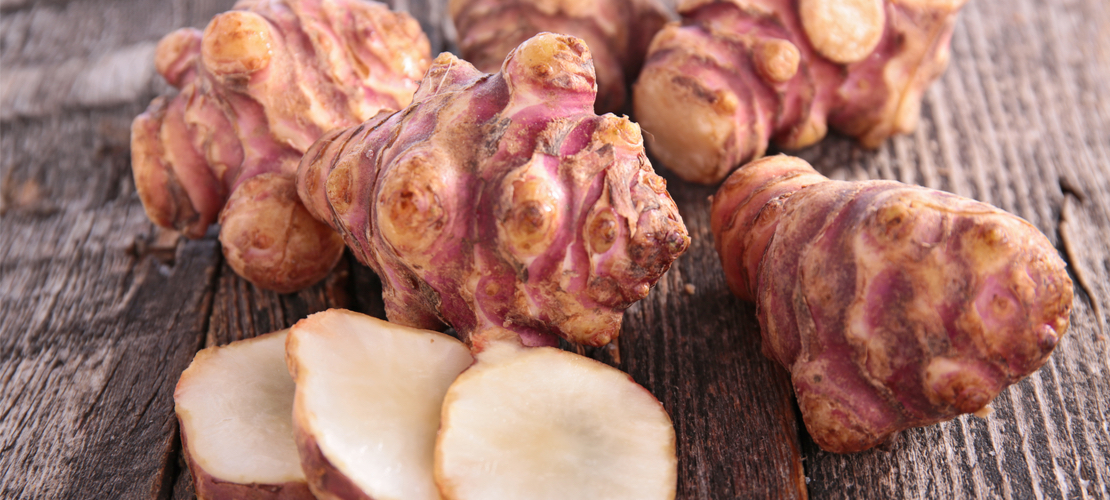
The history of the Jerusalem artichoke
Also nicknamed the earth pear, the pale pink Jerusalem artichoke arrived from America in the 17th century. At first it was used lavishly on our tables, before being replaced by the potato. It returned to the fore during the last world war, when it was grown in abundance to make up for the potato crops requisitioned by the Germans. After the war, it fell back into oblivion before reappearing in today's diets, for its many health benefits.
Many benefits to put forward
- Rich in fibre, to stimulate intestinal transit.
- An effective satiety effect.
- Low in calories, at 70 kcal per 100 grams.
- Used in the prevention of certain cancers, including colorectal cancer.
- Rich in iron, potassium and phosphorus.
- Helps to strengthen oral and dental health.
- Rich in B vitamins, which are excellent for reducing the risk of neurodegenerative diseases.
Inulin, the barrier against osteoporosis
Besides the benefits listed above, the Jerusalem artichoke is rich in inulin. This water-soluble fibre has more than one string to its bow when it comes to protecting us. It regulates blood sugar levels and strengthens our immune system. Studies are also being carried out into its positive effects on the treatment of diabetes. Finally, inulin, combined with the oligofructose found in the Jerusalem artichoke, helps the body to absorb calcium to ensure better bone density, and therefore helps to prevent the risk of osteoporosis.
How do you prepare Jerusalem artichokes?
With a flavour close to that of the artichoke, the Jerusalem artichoke lends itself to more than one recipe. To prevent it from oxidising during preparation, it is advisable to soak it in lemon water.
Jerusalem artichoke can go into a warm salad, but it can also be cooked in a wok or a frying pan to accompany white meat or fish. You can also enjoy the tuber as a juice, which is excellent for gut health.
Harvesting your own Jerusalem artichokes in the garden? Easy
Jerusalem artichokes are very easy to grow in the garden, giving you your own organic supply. And the start of the year is ideal for planting them, right up to mid-April. After preparing the soil well, simply choose a sunny spot in the garden and plant the tubers about 10 cm deep. Harvesting takes place from October until February.
 Health
 Health
 Health