
Is hormone therapy for the menopause right for you?
They are invisible, hard to pin down and, in the end, rather abstract. Yet hormones have a huge influence on our bodies. When they are in balance, you glow, you sleep well and you live life to the full. But when the balance wobbles during the menopause, your mind and body are taken on a genuine rollercoaster ride. The good news: there are several things you can do to limit the negative effects of the menopause on your well-being.
Translated from French. Original title: “L’hormonothérapie pour la ménopause est-elle une option pour vous ?”
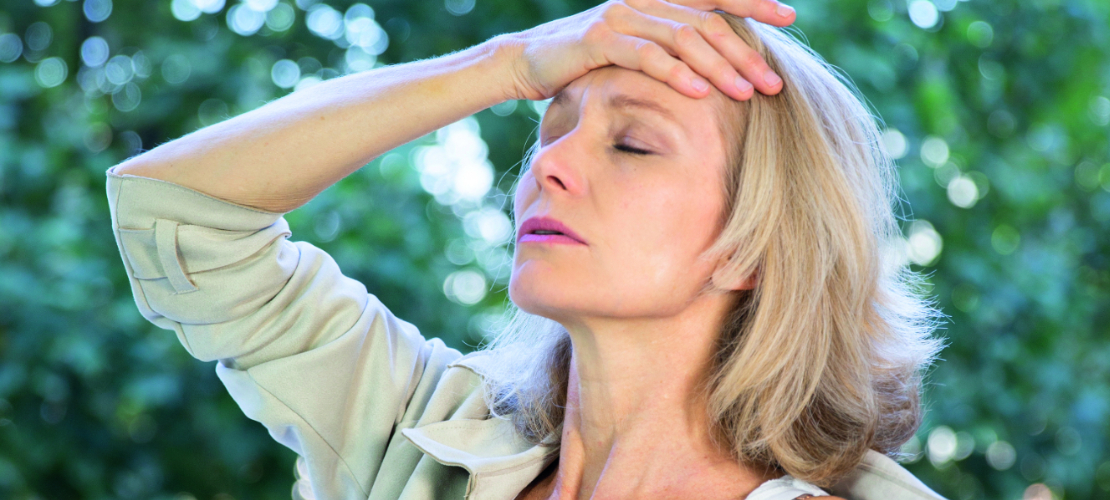
The menopause can cause a hundred or so different complaints. Fortunately, not everyone experiences all of them, but even one or two symptoms can turn your life upside down. Poor sleep, for instance, is quite common, with sudden swings from intense heat to icy cold. But you may also suffer from marked mood swings, hair loss or fatigue. Should you simply resign yourself to it? Absolutely not. You can decide to understand and support your hormonal balance, and to make it a friend rather than an enemy.
Hormone replacement therapy
This may bring hormone therapy to mind, or perhaps you would rather not think about it, because hormone replacement therapy (HRT) has a poor reputation. It is said to cause cancer, to be addictive and to suppress your own hormone production. Menopause adviser Leen Steyaert explains: “Before passing judgement, it is important to be able to tell the difference between traditional synthetic hormones, such as the contraceptive pill, and bio-identical hormones.”
Synthetic hormones are hormones produced by the pharmaceutical industry. Their composition differs from the (sex) hormones that we produce naturally. Ms Steyaert: “They are harder to detoxify than our own hormones, so they stay in the body for longer. They inhibit the positive effects of oestrogen on serotonin and the heart, can cause coronary disease, and protect only the womb against cancer, not the breasts. What is more, the side effects are similar to the symptoms of a progesterone deficiency: they reduce energy and increase appetite, water retention and weight gain. They raise LDL cholesterol and lower HDL cholesterol, and they encourage nausea, acne and hair loss. Yet, for financial reasons, they are still being prescribed by the pharmaceutical industry. That is why it is important to consult a doctor who is knowledgeable about bio-identical hormones,” explains the menopause consultant. Orthomolecular doctor Rudy Proesmans goes even further in his explanations: “Women who are already prone to breast cancer should indeed not take oestrogen, just as men with prostate cancer must avoid testosterone. But in all other cases, it is not correct to claim that hormones increase the risk of developing breast cancer. This ‘logical reasoning’ does not hold water, and this supposed link is the source of many misunderstandings.”
Bio-identical hormones
Bio-identical hormones have the same composition as your own hormones. They are usually a combination of progesterone and oestradiol, the female sex hormones. But hormones such as testosterone, DHEA, pregnenolone, hydrocortisone and aldosterone are also supplied in bio-identical form. Leen: “Bio-identical hormones are given to regulate women’s hormone levels. These hormones behave in exactly the same way as the substances our bodies make themselves. The benefits are chiefly a woman’s comfort (physical and mental), protection against osteoporosis and a reduced risk of cardiovascular disease, fewer vaginal complaints and fewer bladder problems. What is more, bio-identical progesterone actually protects against breast cancer and has a stimulating effect on libido and bone regeneration,” says Leen. The difference can be felt after just a week. “Bio-identical hormones make night sweats and hot flushes disappear very quickly. As a rule, the absence of hot flushes is a kind of gauge for checking that bio-identical hormones are working. If the flushes return after a while, it probably means that the dose is too low. It is also possible to check by means of a blood test that your hormone levels are where they should be.”
Transition or depression?
Another thing the menopause consultant regularly comes across is doctors misinterpreting the complaints of menopausal women. “Instead of the (peri)menopause being recognised, women sometimes leave the doctor’s surgery with a prescription for an antidepressant rather than advice on what they can do to counter these hormonal fluctuations.” A correct diagnosis and appropriate treatment are all the more important. “Women sometimes worry unnecessarily, and depression combined with antidepressants can truly knock you flat. It may well get rid of the depressive feelings, but it does not solve the real problem.”
Dr Proesmans agrees: “I see patients taking antidepressants for depressive complaints brought on by the menopause. The same goes for sleeping pills for sleep problems, or anti-inflammatories for other menopausal complaints. In such cases, these women would be better helped with bio-identical hormones: the complaints disappear of their own accord, and the hormones even have an anti-ageing effect and protect against disease. But they must be properly prescribed by a doctor with expertise in hormone therapy.”
The right lifestyle
But the very first way to balance your hormones is to adopt a healthy lifestyle. And that comes down to five things: eating healthily, getting enough exercise and sleep, reducing stress, limiting your alcohol consumption and avoiding nicotine. A high intake of meat, fat and sugar leads to more menopausal complaints. “A healthy diet, rich in isoflavones and iodine, is associated with fewer menopausal complaints.” This could also be one of the reasons why Japanese women seem to have fewer menopausal complaints (there is not even a Japanese word for ‘hot flush’!): on average, Japanese women eat more fermented soya (isoflavones) and seaweed (iodine). “Our Western diet is truly dreadful in this respect. And, on average, the Japanese are also much more active than we are.” A further factor in a healthy lifestyle, which goes hand in hand with a healthy weight, is of course ageing healthily. Moreover, a healthy lifestyle allows women to influence their post-menopausal health from a young age. “With a few small adjustments, it is possible to sail through the menopause without needing a prescription for hormones. Lifestyle always remains the foundation.”
If a healthy lifestyle is not enough to make the complaints go away, and you are not comfortable taking hormones, or they are not medically advisable, there are still other options, according to Proesmans. Food supplements, for instance, are an excellent tool alongside a healthy, varied diet. “Supplements can make all the difference between simply not being ill and being in the best possible form,” he begins. “What gives the best results are plant isoflavones from soya, because they are comparable to the female oestrogen hormones. Many women find they cope well with them and so do without hormone therapy.” He also recommends iodine supplementation combined with tyrosine to support the thyroid, omega-3 fatty acids, and vitamins D, B12 and K2. But isn’t that bad for the liver? “No, that is a myth.”
Hormones or not?
It is important to discuss, and weigh up, the effectiveness of hormone therapy against the alternative (non-hormonal) options, in consultation with a doctor who knows hormone therapy well. A clear explanation of all the advantages and disadvantages of both hormone therapy and non-hormonal therapy allows you to make an informed choice. “Some of these solutions may work very well for one person and not at all for another. It all depends on the individual; there is no one-size-fits-all solution. But whatever the case, it comes down above all to a healthy lifestyle,” concludes Dr Proesmans. Ms Steyaert fully agrees: “There is no point asking your doctor to prescribe hormones if you do not also have a healthy lifestyle and are hoping that hormone replacement therapy alone will sort out the problems linked to the menopause. You are entirely responsible for your own health, just as you choose for yourself whether or not to take bio-identical hormones.”
Leen Steyaert is a specialist orthomolecular therapist and KPNI practitioner, also specialising in breast tissue, with a focus on the menopause. She is the author of five books on health, including “Your menopause plan” and “About Breasts”.
Dr Proesmans is a doctor specialising in orthomolecular medicine. He wants to heal people by changing their “lifestyle”. What you eat every day, physical exercise and your mental state determine your health. Functional blood tests are the basis of his therapies.
He is the author of two bestsellers: “Optimal health without medication” and “Optimal immunity”.
 Health
 Health
 Health