
How to Stop Cramp Striking in the Middle of the Night
The arrival of cramp is often heralded by certain signs. You can feel it building. A muscle stiffens, before turning into a sharp pain that almost makes you feel sick. Cramp usually strikes at night, most often in the lower limbs. What can be done to ease it?
Translated from Dutch. Original title: “Hoe voorkom je kramp midden in de nacht?”
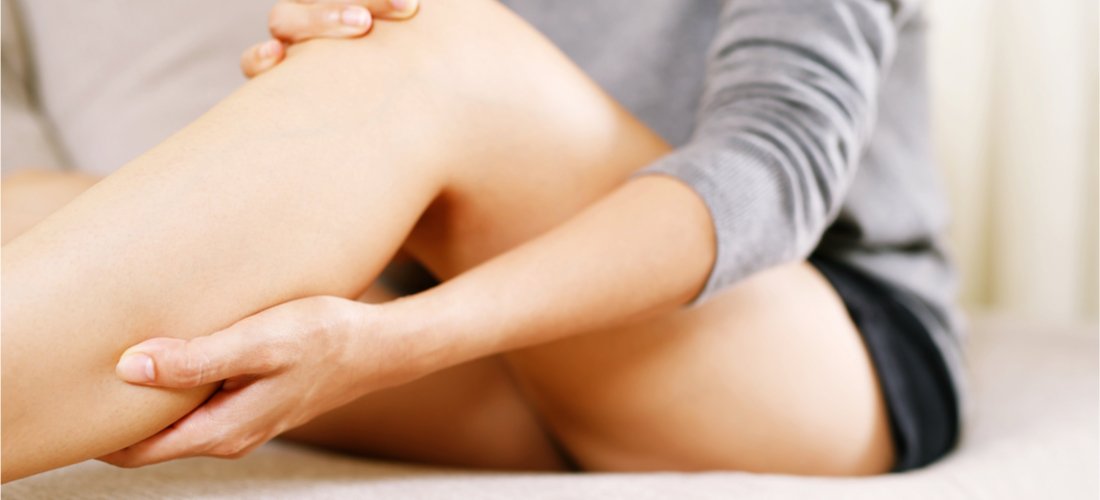
What causes night cramps?
The origin of night-time pain is still poorly understood. But it seems to be linked to several triggers. These include a diet too low in fibre, magnesium, calcium and potassium. In medical jargon, this is known as an electrolyte disorder.
Insufficient hydration can also play a part. So can excessive exercise, the use of certain medicines (anticholesterol drugs, bronchodilators, diuretics or laxatives, etc.), certain existing conditions (such as diabetes) or simply age (with a shortening of the myotendinous structures). Studies also point to the influence of stress and tiredness in bringing on these night-time cramps.
In some serious but rare cases, cramps can be accompanied by neurological disorders, such as neuropathies.
Read also
Why drinking enough water is the key to healthy ageing >
Three profiles of sufferer stand out: athletes, pregnant women and older people. Several available studies show that these cramps, known in the medical world as idiopathic nocturnal cramps, affect 40 to 50% of people over the age of 50.
What are the characteristics of these cramps?
These cramps occur mainly at night and strike spontaneously, regardless of muscle activity. The affected area is the flexor muscles, that is to say the calf, the foot or the toes. The pain is sudden but usually short-lived. Even so, discomfort in the affected muscle can linger for a few hours.
Simple but effective remedies
To treat these night cramps, some people recommend applying a mixture of lavender essential oil and jojoba oil to the part of the body that is usually affected. Or a grandmother's remedy: walking barefoot across the floor. Or a circular massage of the affected area. For athletes, the best preventive advice is to concentrate on the warm-up.
For everyone, a balanced diet helps to avoid the deficiencies that cause cramps, with more fibre and magnesium on the menu. It is also a diet without alcohol, which can bring on attacks.
When should you see a doctor?
It is not necessary to see a doctor or take medication for cramps. However, in the case of repeated cramps, a medical consultation, often a multidisciplinary one, should be considered to identify the causes. These may be hormonal, neuromuscular or vascular in origin. Persistent pain should not be neglected.
Want to receive the best of Fifty & Me in your inbox? Then sign up for the newsletter.
Image © Shutterstock
 Health
 Health
 Health