
How to enjoy the festive season without overdoing it
"I've eaten well, I've drunk well, my belly's stretched as tight as a drum," sang Patrick Topaloff in 1971. The same may well be waiting for us over the festive season… So many moments of pleasure around the table, accompanied by a few "slip-ups". But these can be put right with a few simple and effective steps, so that you start the new year in top form.
Translated from French. Original title: “Comment profiter des fêtes de fin d’année sans excès ?”
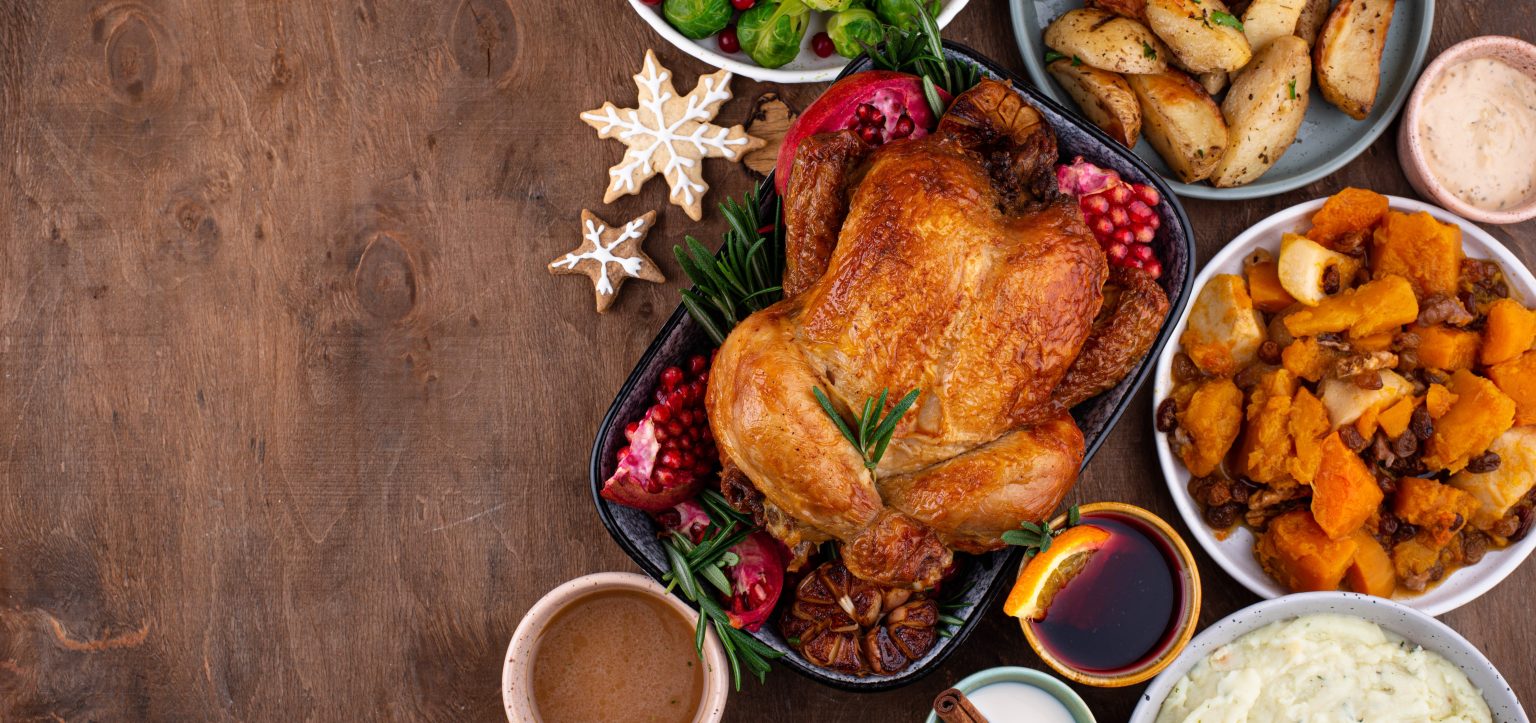
Dieting before the big feasts? Pointless!
Before tucking into the many festive meals planned to see out the year, some may be tempted to go on a diet for a few days, in the hope of losing a little weight. But is it really a good idea? The answer from Marie Dutrannoy, a nutrition coach, is clear: "No, absolutely not. Imposing a diet on the body only serves to stress it, and the result is that you will feel hungry." Fair enough, but what advice should you follow before the big day? "Don't change your habits at all, and stick to the same balanced menus, with plenty of fruit and vegetables," explains the coach.
How to manage your festive meals
Making the most of your Christmas Eve or New Year's Eve dinner takes a little forward planning so that this culinary marathon goes as smoothly as possible. What is the winning strategy? "Enjoy the dishes, but with smaller portions and without going back for seconds. Moderation from the aperitif through to dessert is an effective way to limit excess sugar and salt, and to keep calorie intake in check," explains the coach. As a point of interest, a Christmas dinner alone provides on average 5,000 calories, or even 7,000 calories according to a study carried out by the World Cancer Research Fund (1)*.
As for drinks, it is advisable to cut down on alcohol, because of its rather substantial calorie content. On average, a glass of white wine contains about 85 calories per 10 cl, 87 calories for red wine and 80 calories for champagne or other sparkling wine. Another harmful effect of alcohol is that it dehydrates. "So remember to alternate glasses of wine (no more than 4 to 5 per meal) with glasses of water, to quench your thirst and help you digest the fats you have eaten," concludes Marie Dutrannoy.
Exercise as an ally
Preparing your body for the festive season also means getting some exercise. This is confirmed by David Moens, a fitness coach: "On the day of the celebration, I would recommend, if possible, doing an intensive workout (without injuring yourself) to make your muscles work harder than usual. To recover and make up for the energy lost, the body will draw on its reserves, burning calories. The festive meal will then serve to replenish those reserves, glycogen in particular." And what about the day after? "With the body tired from a short night, priority should be given to endurance sports: an hour's cycling or running, or a long walk in the countryside. That is enough of a clear-out to flush out toxins and prevent water retention," explains the coach.
(1)* https://www.wcrf.org/about-us/news-and-blogs/how-healthy-is-your-christmas-dinner/
Would you like to receive the best Fifty & Me articles in your inbox? Sign up for the newsletter!
© Illustration: Shutterstock
 Health
 Health
 Health