
How to ease a muscle cramp fast
Muscle cramps are one of the best-known symptoms of the menopause, but that doesn't make them any less painful or dreaded. They are a common cause of night-time waking, yet they can be prevented and soothed with a few simple habits in your daily routine.
Translated from French. Original title: “Comment soulager rapidement une crampe musculaire ?”
What exactly is a muscle cramp?
Defined as "a painful involuntary muscle contraction lasting a few minutes", a muscle cramp occurs during sleep in 75% of cases, or during a sports session. Epidemiological data suggest that idiopathic muscle cramps affect between 32 and 56% of women. They can occur in healthy individuals, or in those affected by various conditions, such as diabetes, an underactive thyroid or hormonal changes, like those associated with the menopause. Taking certain medicines also makes cramps more likely, such as diuretics or those prescribed to lower cholesterol.
How can you prevent a muscle cramp?
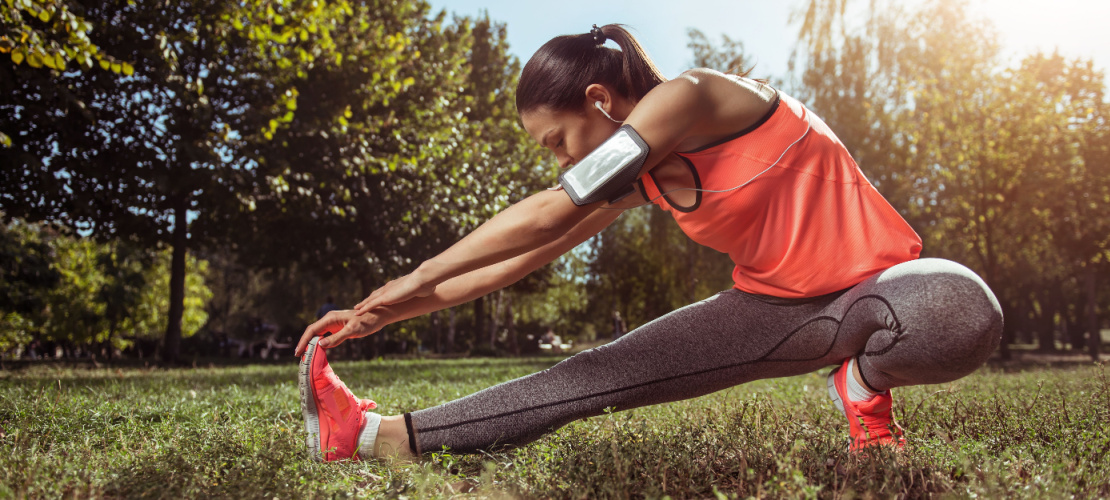
While the risk can never be eliminated entirely, a few simple tips can help prevent cramps. One is to stay well hydrated during a sports session, as dehydration is a known trigger. For endurance sports, it is best to opt for isotonic drinks to replace the electrolytes lost through sweating. Remember to stretch properly before and after any physical activity, and also before going to bed, to loosen muscles and tendons. Eating a balanced diet will help you avoid a magnesium and potassium deficiency.
Massage: effective relief
For a sudden cramp, self-massage is easy to put into practice. David Moens, a sports coach, explains how to do it properly: "Massage should always be performed on a stretched muscle. For a calf cramp, stand facing a wall, at arm's length. Place your hands on the wall, keep your feet flat on the floor and straighten your legs to stretch the muscle. Then gently massage the sore area for around one to two minutes, using small circles moving outwards, to ease the pain and loosen the muscle." There is another technique. "You can also do the massage sitting down. Stretch out the affected leg, pulling your foot towards you to stretch the calf muscle. Then massage it with gentle circular movements. It's guaranteed to work," says the coach.
When should you see a doctor?
Although a muscle cramp is a minor problem, it may call for medical advice depending on how often it occurs or how intense it is. Certain symptoms may also warrant a medical visit, such as persistent pain, a swollen leg, a cold foot, a fever or muscle weakness. Your doctor will take into account the list of symptoms you have noticed in order to order blood tests. Magnesium supplementation may be the treatment considered, as it has no side effects.
Photo Shutterstock.
 Health
 Health
 Health