
How to Deal with Chronic Stress
The word "stress" is all too often overused, yet stress is far more than a mere feeling. When the brain judges a situation to be threatening, it triggers the production of cortisol, a stress hormone that becomes harmful when the situation drags on. Treating chronic stress is essential.
Translated from French. Original title: “Comment réagir face au stress chronique”
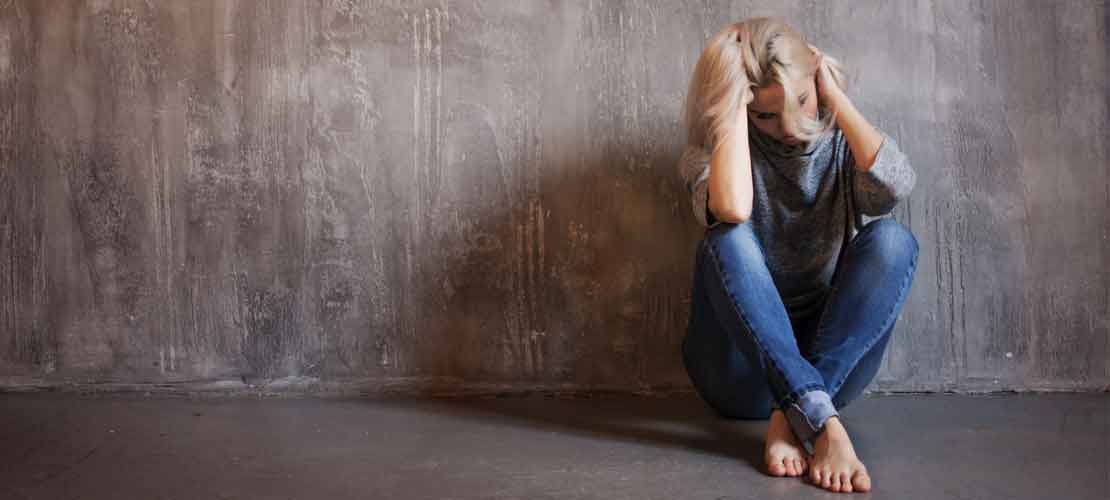
Chronic stress explained
When it results from our bodies being exposed to stressful situations over a long period and on a repeated basis, the stress produced is known as chronic. According to the experts, it is the worst kind for our health, because of its domino effect. This type of stress is very much part of everyday life for some women, whose professional and family lives are a source of extreme tension. Chronic stress should be distinguished from acute stress, which is triggered by events or situations involving an element of unpredictability or novelty, such as the stress felt after a near miss in an accident or just before sitting an exam.
Many symptoms
Although they may differ from one person to another, these symptoms are characteristic of chronic stress:
- Sleep problems, such as insomnia
- Stomach aches
- Mood swings
- Headaches
- A tendency towards low mood
- Back pain
- A constant feeling of tiredness
- Excessive sugar consumption
- Problems with concentration and memory
- A drop in libido
The consequences of chronic stress
This type of stress should be taken very seriously because of its many effects on health, including the following:
- A marked risk of cardiovascular disease
- High blood pressure
- Type 2 diabetes
- Depression
- Raised cholesterol levels
- Excess weight
- Excess sugar
- Muscle pain
- Severe anxiety attacks
- Accelerated ageing
What treatments are available?
"Chronic stress cannot be treated alone, through self-medication, at the risk of choosing a course of action that makes things worse or simply does not work. Anyone who is constantly stressed can (and should) contact their GP or a psychologist. A medical consultation will make it possible to determine the most suitable treatments, targeted at the causes of the stress," says Sandra Rollins, psychologist.
What treatments are available? "They depend essentially on the severity of the symptoms. They might be meditation and relaxation exercises, but also therapies, such as sophrology, to work on breathing, or cognitive behavioural therapy. As for medication, it is best used as a last resort, and above all very sparingly," explains Sandra Rollins. Alongside therapies, certain daily habits can help to reduce the symptoms, such as regular exercise and time spent outdoors to benefit from the effects of daylight. Not forgetting a balanced diet and a good night's sleep, properly prepared for.
Often found in the handbags or pockets of the stressed, floral elixirs or Bach flower remedies, in spray form, are an effective lifeline for calming attacks of stress.
Photo: Shutterstock.
 Health
 Health
 Health