
How to Cope Better with Insomnia
Which woman or man in their fifties can boast of perfect sleep all the time? Stress, the menopause and other health problems can all affect its quality. Not forgetting those notorious bouts of insomnia that can ruin any hope of a restful night. It is a disorder for which solutions do exist.
Translated from French. Original title: “Mieux gérer ses insomnies”
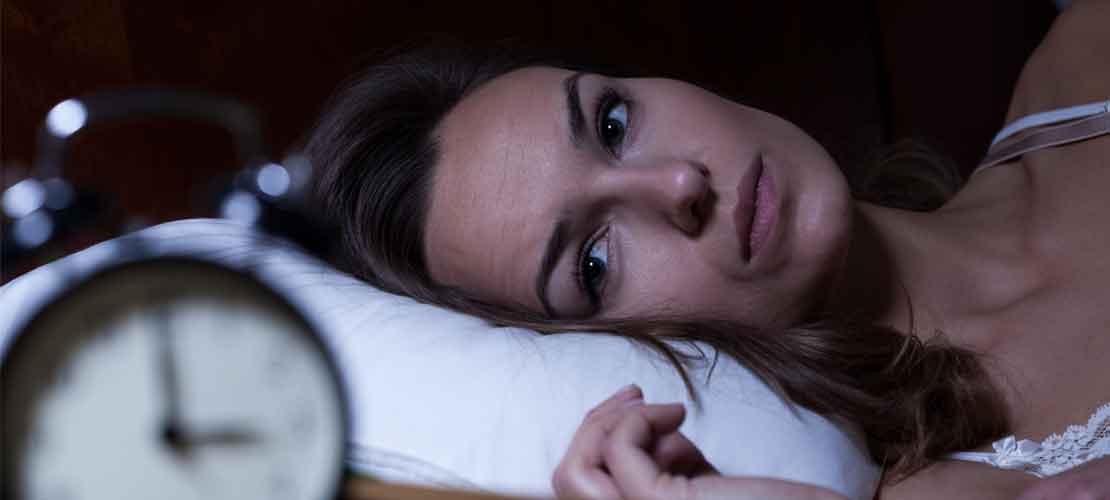
Insomnia: what are we talking about?
There are two types of insomnia. Short-term insomnia, when it appears as the consequence of a particular event. And chronic insomnia, when it occurs several times a week for more than three months. Its symptoms come down to difficulty falling asleep, short nights, waking in the night and waking too early in the morning.
As for how common it is, insomnia affects around 20% of the population. As the Belgian Scientific Institute of Public Health (Sciensano) points out, "more than 23% of Belgian women are thought to be affected by insomnia, compared with 17% of men."
What are the common causes of insomnia?
Many triggering factors come into play. Age is one of them, and it has a negative effect on the quality of sleep: we often sleep less well at 60 than at 30. A life that is too stressful, work overload, various medical conditions and a constant feeling of anxiety can all cause insomnia. So can taking certain medicines, whether for the heart or to treat problems linked to an overactive thyroid.
Multiple consequences
The effects of insomnia can affect daily life to varying degrees:
- The feeling of not being rested
- Daytime drowsiness
- The feeling of being tired all the time
- Difficulty concentrating and remembering
- Irritability
- Anxiety
- A risk of depression
- The urge to sleep
Natural solutions to insomnia
"Sleeping badly is not inevitable. The first thing to put in place is a bedtime routine adapted to your daily life. That means keeping regular hours and respecting the signals your body sends, such as repeated yawning. Your bedtime ritual should be free of stimulants that can get in the way of falling asleep, such as caffeine or looking at screens before getting into bed. Be careful: although alcohol helps you to fall asleep quickly, it also causes you to wake in the night and find it hard to get back to sleep. What matters is creating a routine for the moment you head to bed, with a little music and a few pages of a soothing book," explains psychologist Sarah Eluart. What should you do if you cannot sleep? "Certainly not lie in bed brooding and trying to find sleep. After 15 minutes awake, get up or pick up a book while you wait for the next wave of sleepiness. And avoid unnecessary stress," concludes Sarah Eluart.
When should you see a doctor?
If insomnia becomes an obstacle to a normal life, you should consult your GP to find a suitable solution. The consultation may be followed by treatment based on cognitive behavioural therapy (CBT), which works on the origins of the insomnia. These therapies are designed to help you get your sleep back and to avoid taking medication. Sleeping pills do in fact carry a high risk of dependence and side effects, as well as possible interference with other medicines.
Photo Shutterstock.
 Health
 Health
 Health