
How to Avoid Night-Time Cramps
Its arrival is often heralded by certain signs. You can feel it building. A muscle tightens, before turning into an intense pain, enough to make the sufferer feel sick. A cramp that generally strikes at night, usually in the lower limbs. Anyone who has experienced this complaint, which is common in women but not exclusively so, can only dread its return. What can be done to ease it? We explain.
Translated from French. Original title: “Comment éviter les crampes nocturnes ?”
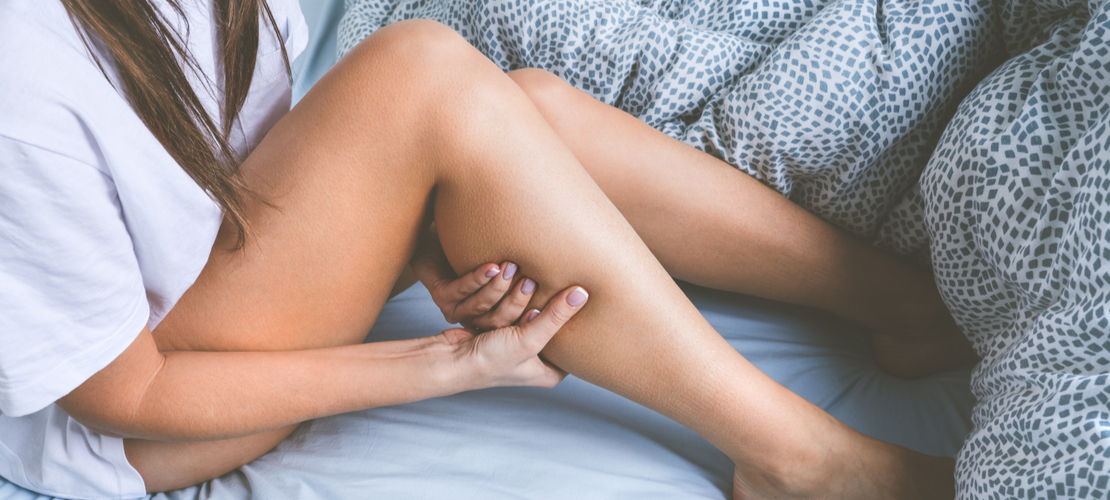
Where do night-time cramps come from?
The origin of this night-time pain is still poorly understood, but it appears to be linked to a number of triggers. One is a diet that is too low in fibre, magnesium, calcium and potassium, which in medical jargon is known as an electrolyte imbalance.
Insufficient hydration can also play a part. Other causes coexist as well: too much exercise, certain medicines (cholesterol-lowering drugs, bronchodilators, diuretics or laxatives, among others), certain existing conditions (such as diabetes) or, quite simply, age (as the myotendinous structures shorten). Studies also point to the influence of stress and tiredness in triggering these night-time cramps.
In certain serious but fairly rare cases, cramps can accompany neurological conditions such as neuropathies.
Three groups of sufferers stand out clearly: athletes, pregnant women and older people. Several available studies show that these cramps, known in the medical world as idiopathic nocturnal cramps, affect between 40 and 50% of people over the age of 50.
How can these cramps be recognised?
Occurring mainly at night, these cramps appear spontaneously, regardless of any muscular activity. The affected area involves the flexor muscles, that is, the calf, the foot or the toes. The pain is sudden but usually short-lived, although some discomfort may linger in the affected muscle for several hours.
Simple but effective remedies
To treat these night-time cramps, some people recommend applying a blend of lavandin essential oil and jojoba oil to the part of the body usually affected. The old-fashioned remedy of walking barefoot on a tiled floor proves just as effective in easing the pain, as does a circular massage over the affected area. For athletes, the best preventive advice is to make warm-ups a priority.
For everyone, a balanced diet helps to make up for the deficiencies behind the cramps, with more fibre and magnesium on the menu. The diet should also be free of alcohol, which can trigger attacks.
When should you see a doctor?
Cramps do not in themselves require a visit to the doctor or a course of medication. However, if they occur repeatedly, a medical consultation, often involving several specialists, should be considered in order to establish the causes. These may be hormonal, neuromuscular or vascular. Persistent pain should not be ignored.
 Health
 Health
 Health