
Heavy legs: should we take them seriously?
They carry us through every season without faltering. They take us for walks, support our every impulse, accompany us from morning to night without our even thinking about it… Until the day they make their presence felt. A little too much. A new heaviness sets in, a discreet swelling appears, a dull tension creeps into the calves. We put it down to the heat, to passing tiredness, to the passing of the years.
Translated from French. Original title: “Jambes lourdes : un mal à ne pas prendre à la légère ?”
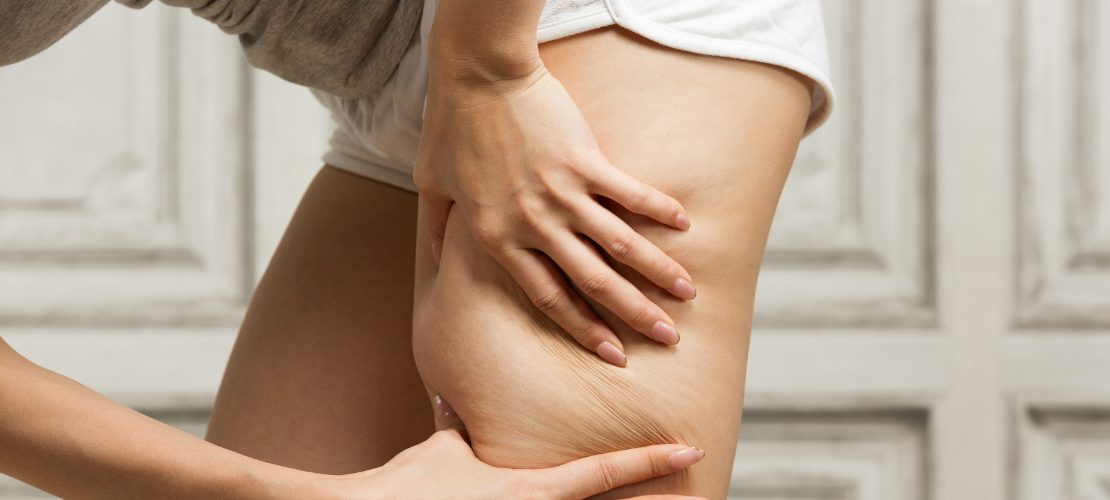
And yet. What we wrongly dismiss as "heavy legs" can be the first sign of chronic venous disease. A progressive condition, still largely underestimated, which affects one in ten Belgians. And one that is, all too often, diagnosed far too late.
A discreet condition
To shed light on this invisible reality, the national Legs First campaign has chosen to give our legs a voice. It is a delicate yet necessary approach, embodied by Sandrine Corman. "Too many people still don't realise that they may be suffering from venous problems, despite obvious symptoms," confides the presenter. "By showing my legs, I want to encourage everyone to ask themselves the right questions. Prevention and screening are essential to protecting our health." Her testimony strikes the right chord, at a stage of life when it is no longer about putting up with what weighs us down, but about rediscovering what sets us free.
Chronic venous disease is not simply a matter of a few visible varicose veins. It slips into our sensations: heaviness at the end of the day, cramps, progressive swelling, itching that we end up shrugging off. Yet these are telltale signs of deep venous dysfunction. Dr Janine Quaniers, a phlebologist, is keen to stress the point: "It is not a question of aesthetics. This is a chronic, progressive condition. The earlier it is treated, the more complications can be avoided."
Listening to your body
Isabelle (51) has always been active. Between her children, her career in events and her sporting routines, she believed she could keep up the pace. But over the years, the discomfort set in: heaviness, unease, compression boots worn in summer to relieve what stockings could no longer manage. She thought she was doing the right thing, she thought it would pass. It was only on a friend's advice that she finally consulted a specialist. The verdict was clear: three badly damaged internal veins. She did not hesitate to opt for surgery on both legs. A few weeks later, she speaks of a "new lease of life". That of legs that are finally light. And of an everyday life in which we no longer adapt to discomfort.
Gerda (55), for her part, learned the hard way that the first signs should never be played down. Her varicose veins appeared during her first pregnancy. She assumed they were temporary, linked to the upheavals of the body. The years went by, and so did the pain. Three pregnancies, three operations. And then came that restless-legs sensation, increasingly hard to ignore.
Today, she follows a suitable treatment plan, combining compression stockings, medication and regular appointments. She is feeling better, but remains vigilant. "You have to listen to yourself. And above all, don't wait until it becomes unmanageable."
Let's not sit with our legs crossed!
The body doesn't lie. It speaks to us, in its own way. All that remains is to hear what it whispers before it starts to shout. Moving regularly, staying hydrated, avoiding clothes that are too tight, raising your legs in the evening… These simple habits are genuine self-care rituals. But the key is also to dare to see a doctor. Treatments exist that are discreet, effective and respectful of each woman's own pace. We just have to be willing to talk about it. An online test, available at www.legsfirst.be, lets you assess your risk level in just a few clicks. A first step towards lighter legs…
Would you like to receive our best articles in your inbox? Sign up for the newsletter!
© Illustration: Shutterstock
 Health
 Health
 Health