
Eating well in menopause without hormones: what to know
Fifty & Me: According to a recent study, hormone replacement therapy slightly increases the risk of breast cancer. Why is it being used again today?
Translated from Dutch. Original title: “Belangrijke eetadviezen voor vrouwen in de menopauze die geen hormonen nemen”
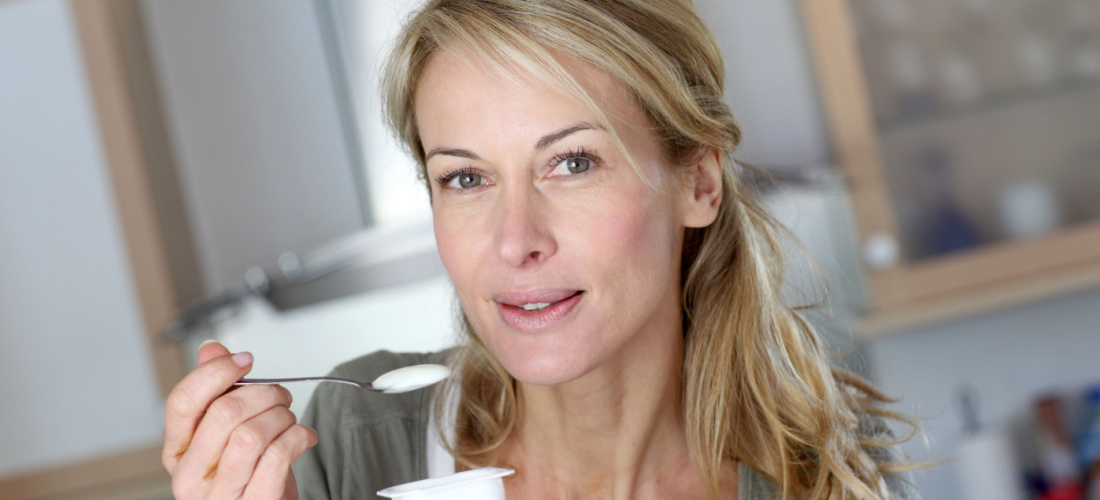
Lyne Desautels: “Our understanding of how our hormones work has come a long way over the past 20 years. Some studies made us fearful of using female sex hormones, but we now realise that there were biases. When we look at women's health as a whole, hormone therapy is beneficial. So we are going back to basics. Women for whom this treatment is recommended need to be supported on an individual basis. It is not only the sex hormones that decline, but also hormones such as insulin and cortisol. These have a wide range of action: the brain, weight management, sleep, mental and cognitive health, joint pain, and so on. But lifestyle and eating habits can also trigger perimenopausal symptoms, such as hot flushes and night sweats.”
Read also
Is hormone therapy an option for you? >
What dietary advice is there for women who have decided not to take hormones?
“It is very important for her to adapt her diet. This means more soya, vegetables, all kinds of pulses (chickpeas, lentils, etc.) and good sources of vitamin D (oily fish, eggs, dairy products, etc.) to prevent osteoporosis. For extra immunity, more fruit, nuts, seeds and so on are important. It is advisable to cut down on meat in favour of fish and seafood. The benefits should show in energy levels, sleep and weight management, since during the menopause weight increases by 2 to 5 kg. It is also better to eat less sugar and to exercise more, which helps prevent breast cancer and reduces vasomotor symptoms.”
What about eating flaxseed?
“Flaxseed needs to be ground, otherwise it has a laxative effect on digestion. Flaxseed contains omega-3. It is different from the omega-3 in fish and is important for beautiful, well-hydrated skin and lovely hair. I take 1 tablespoon every day in a smoothie, yoghurt, porridge or fruit compote. Combined with a higher intake of soya, this can make all the difference. Flaxseed oxidises easily once ground. So it is best to grind it yourself in a small coffee grinder, or to buy it ready-ground and keep it cool or frozen.”
How can menopause-related mood disorders be improved?
“We should have oily fish on the menu 3 to 4 times a week, such as sardines, mackerel, salmon or tuna. The omega-3 they contain has a positive effect on mood. Omega-3 supplements are an alternative. They can help to counter mild symptoms. There is also the microbiota which, through the link between the brain and the gut, can really help with the anxiety that accompanies depressive symptoms. To bring your microbiota into balance, eat a varied diet rich in plant fibres and probiotics, with no or as few food additives as possible. A diverse gut flora helps to improve mental health.”
Mieux vivre la ménopause – Grâce à l’alimentation et aux hormones by Lyne Desautels & Isabelle Huot (Les Éditions de l’Homme). 248 pp., € 19,90.
Would you like to receive the best of Fifty & Me in your inbox? Then sign up for the newsletter.
Images © Shutterstock
 Health
 Health
 Health