
Diabetes and heatwaves: the right habits to adopt
Translated from French. Original title: “Les diabétiques : quels bons réflexes adopter lors d’une canicule ?”
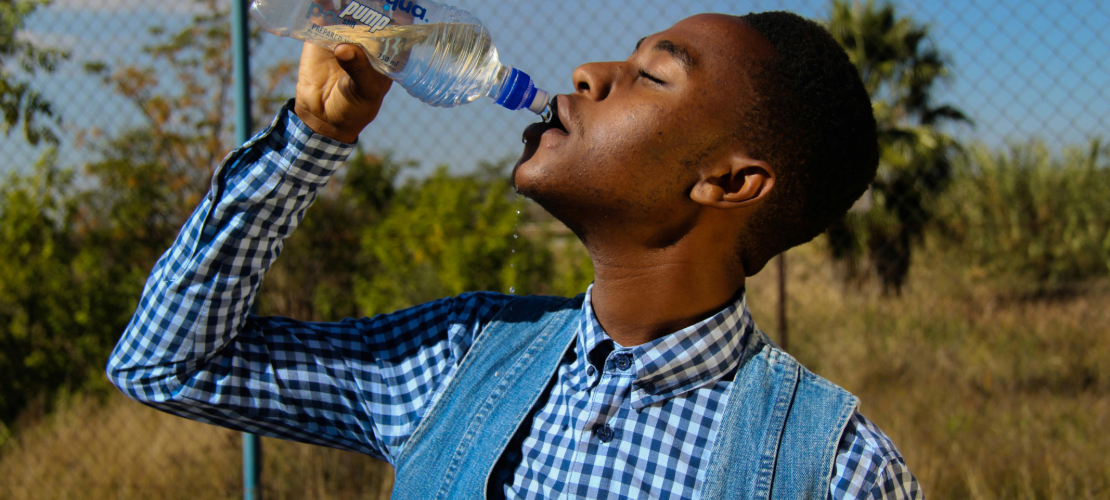
Why people with diabetes need to drink throughout the day
Every day, the body loses mineral salts (magnesium, calcium, potassium, sodium) and water. When temperatures soar, if this water loss is not made up, dehydration sets in. It is therefore advisable to drink water regularly throughout the day, around 1.5 litres in total. You can, however, vary your fluid intake with fresh fruit, water-rich vegetables (melon, cucumber, watermelon and so on), yoghurts and compotes with no added sugar.
Stay out of the sun
Sun exposure is strongly discouraged for people with diabetes. It is also important to limit your outings and to go out only during the coolest hours. When you do venture out, remember to protect your skin from the sun by applying a sun cream suited to your skin type. You should also keep your home cool by closing the shutters and windows to prevent excessive rises in temperature. Open them at night, when the air is cooler. That said, a heatwave is also a good opportunity to save energy and to compare your gas and electricity rates with a comparateur energies.
Adapt your diet to the summer
In some people, appetite often drops when temperatures are too high. For people with diabetes, this can bring a risk of hypoglycaemia. It is nevertheless essential to keep eating a balanced diet. Opt for light dishes, without forgetting those that are sufficiently rich in carbohydrates (pasta, rice, pulses and so on). Finally, avoid alcohol: it increases dehydration and encourages hypoglycaemia.
Store your medication in the right place
If you are on insulin, keep your supply in the fridge. Likewise, test strips, your blood glucose meter and control solutions should be stored in a dry, cool place. Read the leaflet: it states the maximum temperature at which these items can be kept in good condition, failing which the equipment may malfunction and give inaccurate results.
 Health
 Health
 Health