
Cystitis is more common after the menopause: how can you prevent it?
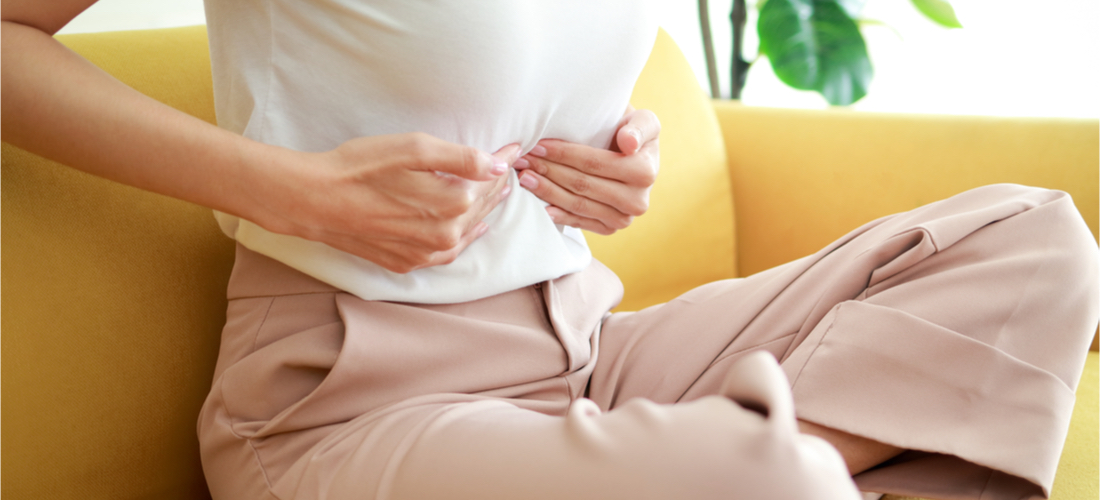
Every year, thousands of women visit their doctor with bladder problems. The symptoms? Needing to pee more often than usual, pain when passing urine, a burning, stinging sensation. The culprits? Escherichia coli gut bacteria! They attach themselves to the urinary tract, and more specifically to the kidneys, the ureters and the bladder. Women going through the menopause need to be especially on their guard, because the sharp drop in oestrogen production after the menopause makes the mucous membranes more fragile and also encourages this urinary tract infection to develop. So follow our tips and prevent cystitis.
Translated from Dutch. Original title: “Een blaasontsteking komt vaker voor in de menopauze, maar hoe voorkom je het?”
Drink plenty of water
It is important to drink enough water throughout the day (1.5 to 2 litres a day) so that your urine becomes less concentrated. The risk of cystitis is higher in summer, and because you exercise, you sweat more and feel less urge to pee. The more you drink, the more you pass, and the fewer bacteria remain in the bladder. Be careful with white wine and champagne: they often contain irritating sulphites.
If you need to go, go!
It is important to pee regularly and not to hold on for too long. Ideally, you should go every 3 hours.
Wear loose-fitting cotton clothing
Avoid clothes and underwear that are too tight, as they can be a breeding ground for bacteria. On the beach or by the pool, it is best not to keep a wet swimsuit (often made of Lycra) on all day, as it is often a source of moisture.
Avoid constipation
If you regularly suffer from constipation, it is important to follow a balanced diet and to eat more raw vegetables, fruit and fibre. Try to establish regular eating habits too, and make sure you get a minimum of exercise. Constipation encourages the spread of bacteria.
Pee after sex
If you often get cystitis after sexual intercourse, make it a habit to go to the toilet every time after sex. That way, you will at least reduce the number of bacteria present in the urethra.
Gentle and intimate
Wash your intimate area regularly (once a day) with a pH-neutral soap or a soap specifically designed for intimate areas. In any case, avoid disinfectant solutions and wipes.
No antibiotics without a prescription
Antibiotics are dispensed on prescription. Do not take antibiotics left over in your medicine cabinet. In general, an antibiotic course of ten days is prescribed, but shorter courses also exist: three days, or antibacterial single doses.
Cranberries
If, like many women, you regularly suffer from cystitis, cranberries may bring relief. These small red berries from North America make it harder for bacteria to attach themselves to the urinary tract. With nothing to anchor onto, they leave the body by the natural route.
Take them in a sufficient dose, either on their own or alongside the antibiotics prescribed by your doctor. To prevent the cystitis from coming back, it is recommended to keep up the course for about 3 months. Ask your pharmacist for advice on choosing the best extracts.
Stay alert
In general, cystitis is harmless. But if you have a fever or severe pain radiating to your back (kidneys) or lower abdomen, you should see a doctor as soon as possible. The same applies if the cystitis keeps coming back (more than four times a year). In such cases, a urological examination is recommended.
Would you like to receive the best of Fifty & Me in your inbox? Then sign up for the newsletter.
Image © Shutterstock
 Health
 Health
 Health