
Could eating too much fruit be bad for your health?
On these scorching hot days, the temptation is great to make the most of seasonal fruit as a refreshing alternative. But what may seem like a good idea is not a good idea at all for your body.
Translated from French. Original title: “Et si manger trop de fruits était néfaste pour la santé ?”
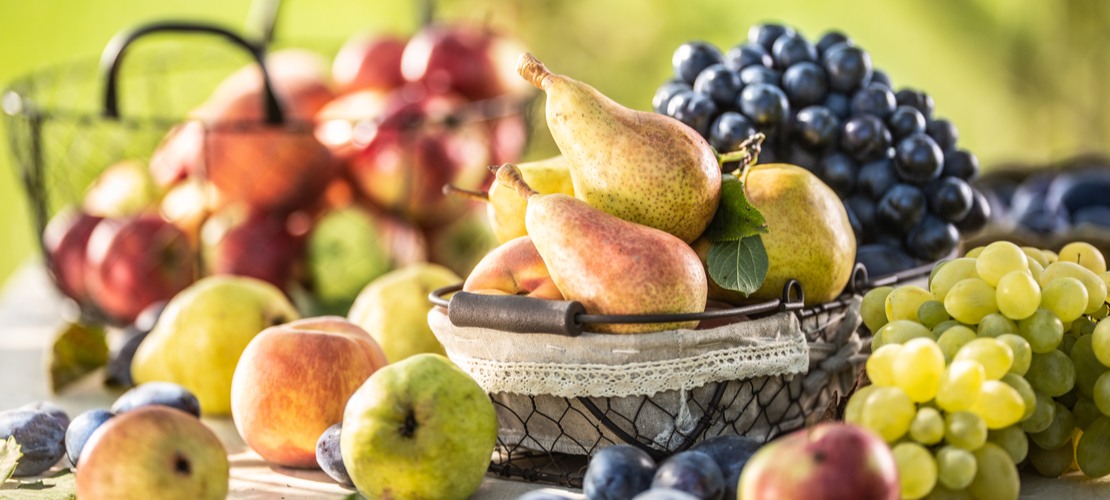
Eating too much fruit: the risks
Whatever the marketing campaigns may tell you, gorging on fruit offers no health benefit. Quite the opposite. It is all about moderation. To avoid these risk factors:
Too much sugar. Many fruits contain a lot of fructose, a natural sugar with the particular feature of raising the level of triglycerides in the blood. It also encourages fat storage around the stomach, with that unsightly little paunch. Too much sugar also means a possible risk of developing diabetes or high blood pressure.
Insecticides on the skin of fruit. A subject covered in detail in a previous article.
Bowel problems. For anyone who suffers from irritable bowel syndrome, eating too much fruit can trigger flare-ups, because of the fructose and polyols (carbohydrates) it contains. The result: bloating, stomach pains and diarrhoea.
Which fruits should you favour this summer?
The first thing to favour is sticking to seasonal fruit, for the sake of both your carbon footprint and your wallet. As for which fruits to choose, you may as well double the pleasure of taste with health benefits. Take the peach, rich in fibre and pro-vitamin A. Watermelon and melon also deserve a place in the fruit basket: melon for its richness in potassium (but it is very sugary, so take care) and watermelon for its citrulline, an excellent ally for the vitality of the blood vessels. Red fruits are an excellent choice too. The strawberry season is drawing to a close, but there is still time to enjoy their antioxidant properties and their vitamin C. Failing that, raspberries will do nicely, a powerful antioxidant fruit that is rich in nutrients and fibre. Best eaten plain, straight from the bush, on a stroll through the countryside. Pears, plums and apples are also recommended, but rather towards the end of summer, with the year's harvest.
And which should we eat a little less of?
Among the range of fruit available to us in summer, some should be eaten in great moderation, mainly because of their sugar content. « That is the case with cherries, the star fruit of the basket, or the ones we eat straight from the tree with the children. They contain more than 13 grams of sugar per 100 g. The figure is much the same for melon or figs. As for delicious prunes, they contain more than 30 g of sugar per 100 g. Grapes, meanwhile, come in at around 15 g per 100 g. So take care to vary what you eat and to stay moderate. Three portions of fruit a day are enough. No more. » explains Nathalie Viana, a nutrition specialist. She concludes: « To quench your thirst healthily, nothing beats a good glass of water (not iced). There is no point counting on fruit to do the job. It is good neither for your body nor for your purse. »
 Health
 Health
 Health