
Can you overdose on vitamins?
With marketing campaigns everywhere you look, not to mention ever more crowded shelves in parapharmacies, the temptation to take more vitamin supplements is strong. Usually as a precaution. Or to give yourself a winter pick-me-up, which some consider welcome. Here is what you need to know.
Translated from French. Original title: “Peut-on faire un surdosage de vitamines ?”
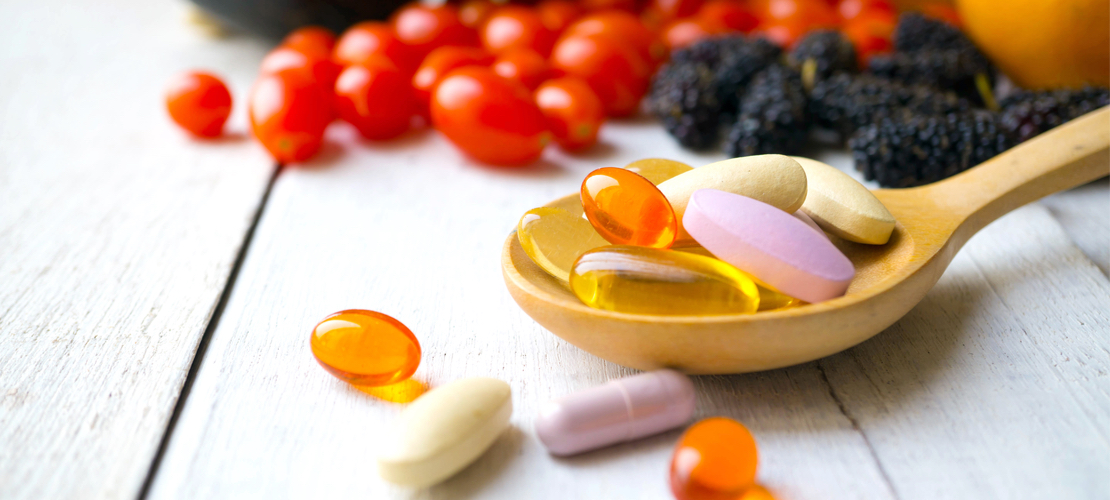
Women, the target of vitamin supplements
Certain groups of people are more likely to experience deficiencies, which then call for a course of vitamins. These include pregnant and breastfeeding women, but also women over 65 (living alone or in care homes) and women who are menopausal and/or suffering from osteoporosis. The onset of the menopause does indeed lead to a deficiency in vitamin B, C or D, with daily intakes often falling short of what the body needs.
And what about the average person? "For someone in good health who eats a 'relatively' balanced diet, supplements are not necessary. A vitamin deficiency does not happen overnight, so you are taking no risk if you do not eat a balanced diet for a short period. Some vitamins, known as fat-soluble vitamins, are stored in the body to make up for a deficiency," explains Anne Colinni, nutritionist. She also reminds us that "supplementation with vitamins and minerals should be decided on the basis of a consultation with a specialist, and not through self-medication without any real knowledge of the doses to take according to one's state of health."
What is the best time to take your vitamins?
The first piece of advice for anyone starting a course is to take the tablet regularly, to ensure it is effective. It is also sensible to take vitamins at a set time of day: in the morning, with breakfast, which should include a fatty food to help the absorption of fat-soluble vitamins.
What are the potential risks of a vitamin overdose?
When it comes to vitamin overdoses, the problem generally concerns one vitamin in particular: vitamin C. It is the most popular and is often taken as a winter course. Excellent and necessary for the body, it can nevertheless lead to serious problems if you exceed the maximum dose of 2,000 mg a day (for an adult): anaemia, sleep disorders, joint pain, hypoglycaemia...
The same goes for vitamin D, often presented as a miracle vitamin during the first months of the Covid crisis. It is dangerous in high doses, with risks of convulsions, headaches, kidney stones and even high blood pressure. While an excess of water-soluble vitamins (vitamin C and B1 to B12) is easily flushed out in the urine, the same is not true of fat-soluble vitamins (A, D, E, K), where any excess will be stored in the fatty tissues. To be safe, you should therefore buy your vitamin supplements from a pharmacy, where you can get advice, and check the box for the RDA (recommended daily allowance). That way, you avoid any risk of overdosing.
 Health
 Health
 Health