
Brittle bones from osteoporosis? What you can do to help yourself
Translated from Dutch. Original title: “Broze botten door osteoporose? Dit kun je zelf doen om het te verbeteren”
How do you get osteoporosis?
As people get older, bone density generally decreases. Women after the menopause then have a higher risk of developing osteoporosis because of the drop in oestrogen, a hormone that plays a protective role in bone density and against brittle bones. A family history of osteoporosis can also increase the risk of the condition. Hereditary factors play a part in the peak bone mass and bone density a person can reach. In addition, people with a low body weight are more likely to develop it, or it may be caused by medication.
But an unhealthy lifestyle can also contribute to osteoporosis. Too little exercise, especially weight-bearing exercise, can lead to a decrease in bone density. Smoking and alcohol use don't do your bones any favours either.
The consequences
It is certainly something to bear in mind. Your bones become more brittle, which can land you in unpleasant situations. The combination of reduced bone density and changes in bone structure increases the risk of fractures. Even everyday activities, such as bending, lifting or even a slight fall, can lead to fractures of the hips, spine and wrists, or to joint pain. Or, even worse: compression fractures of the spine or hip fractures.
What you can do yourself
If the condition has been diagnosed, it is unfortunately not completely reversible. But there are ways to slow the progression of osteoporosis, maintain or slightly improve bone density, and reduce the risk of fractures.
Make sure you get enough vitamin D: Keep an eye on your vitamins. A diet rich in calcium and vitamin D is important for bone health. If you still aren't getting enough, you can top up with supplements.
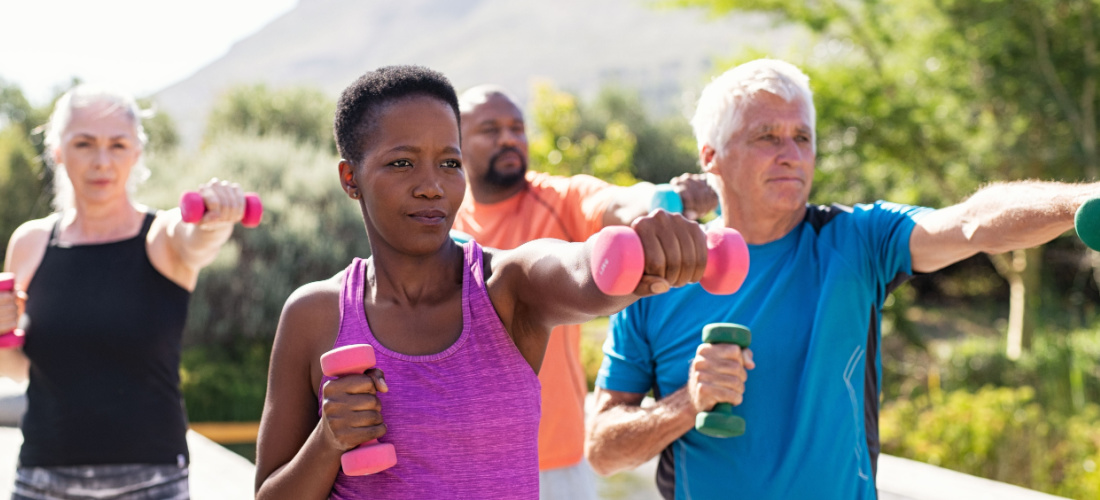
Do weight-bearing exercises: It is important to get enough exercise, and above all weight-bearing exercises, such as walking, jogging, dancing and resistance training. These can boost bone density and strengthen the muscles around the bones. It is best to discuss this with a physiotherapist.
Don't smoke, and don't drink, or drink only in moderation: As mentioned, smoking and excessive drinking are major culprits when it comes to osteoporosis. It is therefore best to give them up.
Eat enough calcium: Calcium is an essential mineral for building bone, and vitamin D promotes the absorption of calcium. So be sure to eat plenty of calcium-rich foods. People always think of milk straight away, but you really don't have to drink milk for the sake of your bones. Leafy green vegetables, broccoli and nuts are also bursting with calcium. They also contain phosphates, which are essential for strong bones too. Be careful with coffee and salt, as they can cancel out the benefits of calcium-rich foods. It hasn't been fully proven, but green tea may also help. The fluoride in green tea helps to keep bones strong.
Have your bone density measured regularly: It is important to have your bone density measured regularly, especially if there are risk factors for osteoporosis. Based on the results, your doctor can suggest adjustments to your treatment.
Consider medication: Medication is also an option. Naturally, you should discuss this with your doctor. Various medicines are available that are designed to increase bone density and reduce the risk of fractures. Bisphosphonates, denosumab and other medicines are often prescribed, but the choice of medication may depend on your individual state of health and preferences.
Although osteoporosis can cause serious complications, a proactive approach and healthy lifestyle habits can help to reduce its impact and maintain a good quality of life.
Want to receive the best Fifty & Me stories in your inbox? Then sign up for the newsletter.
Image © Shutterstock
 Health
 Health
 Health