
Breast Cancer, Without the Taboo
Translated from French. Original title: “Le cancer du sein sans tabou”
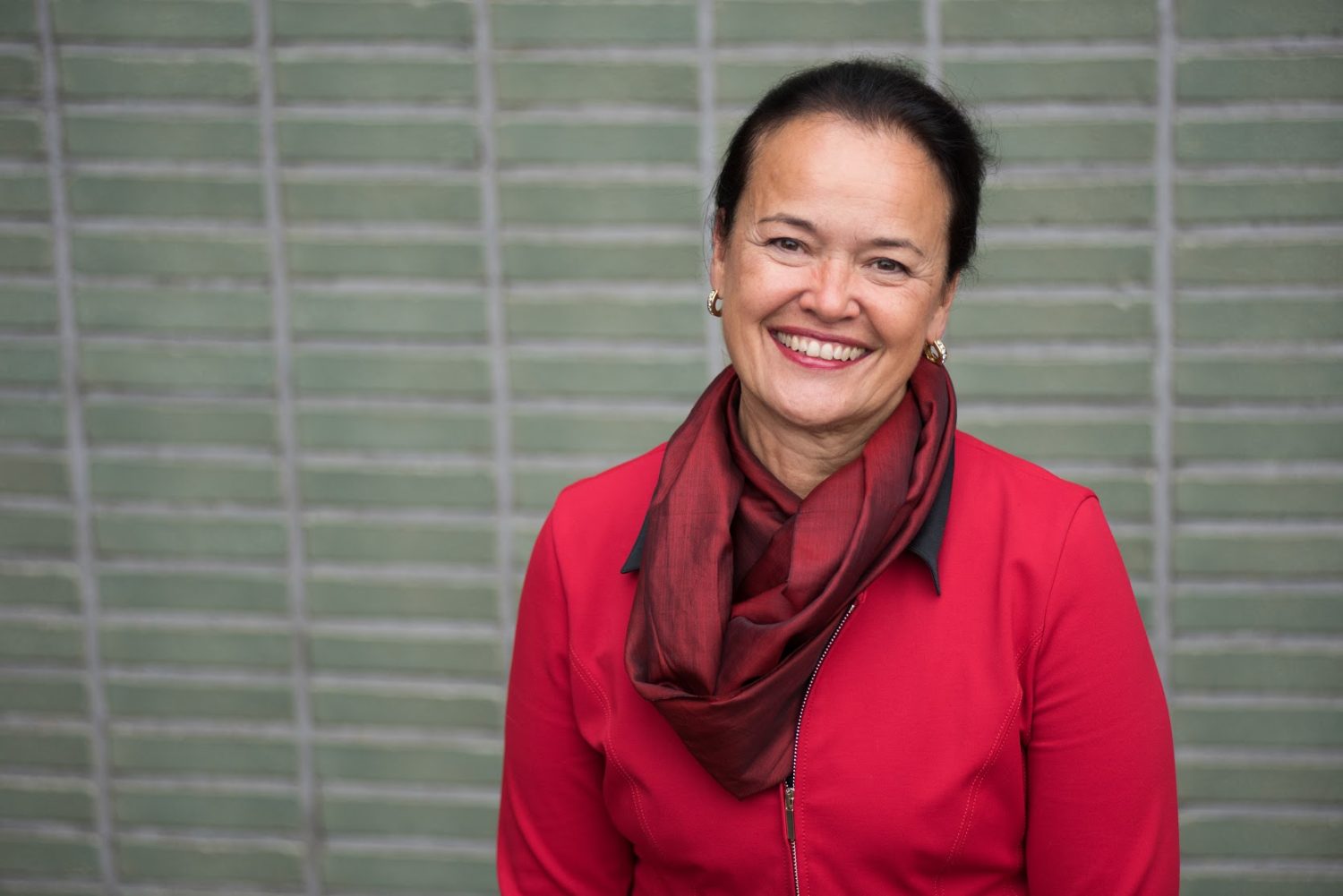
Martine Piccart, a legacy of hope
Honorary Professor of Oncology at the ULB, Scientific Director at the Institut Bordet, co-founder of the world's largest breast cancer research network (BIG)… Her name has long resonated at international conferences. Yet for the first time, she is speaking directly to women in a book that is neither a scientific treatise nor a personal testimony, but a guide: Le cancer du sein sans tabou.
What does she offer? Clear, rigorous yet accessible words. A space for sharing knowledge, in answer to the questions each of us might one day ask: why is this disease so common? What are the risk factors? How does diagnosis work? Which treatments are available today, and what are their side effects like?
Throughout the pages, one message prevails: hope. Hope born of advances in research and ever more precise treatments, but also of women's ability to come through the ordeal and rebuild themselves.
Essential messages
Martine Piccart first stresses one crucial point: there is no such thing as one breast cancer, but rather many breast cancers, with multiple faces, which call for different approaches. Prevention, meanwhile, remains a fundamental weapon: a healthy lifestyle, regular screening and particular vigilance in families at risk. Early diagnosis changes everything. When it is detected early, the disease can be cured in the vast majority of cases.
She also points out that medicine is moving towards greater personalisation: where chemotherapy was once prescribed as a matter of course, genomic signatures now make it possible to spare women who do not need it from heavy treatment. Finally, she opens a window onto the future: artificial intelligence in radiology, mRNA vaccines, bispecific antibodies… all avenues that fuel the hope of ever more targeted and effective medicine.
But the book is more than a collection of medical information. It also talks about what comes after: women's ability to reinvent their lives, to separate the essential from the superfluous, and to reclaim their bodies and their time.
Interview with Prof. Martine Piccart
What led you to work in the field of breast cancer?
"I was outraged by the number of important questions to which women could find no answers, so I embarked on medical studies, then specialised in breast oncology. My mother had breast cancer while I was still a student, which strongly motivated me to specialise in this type of cancer. I soon realised that she should not have had to undergo twelve months of chemotherapy, as was routinely prescribed at the time. Clinical studies have shown that it brought no additional benefit compared with a five-month treatment. It seemed urgent to me to refresh the approach to this disease."
You have had breast cancer yourself. Did that guide the direction your research took?
"I was diagnosed with breast cancer three years ago, but I did not have to undergo chemotherapy because I benefited from the results of my own research, namely the MammaPrint® test. My motivation to develop 'personalised' treatments only grew as a result."
What do you gain from meeting your patients?
"All my patients teach me extraordinary lessons in life and courage. Thanks to them, I can truly appreciate the value of therapeutic innovations, whether they are modest or a leap forward. Doing research while working with patients allows me to hold on to hope and stay optimistic, whatever happens. And seeing me be positive is essential for my patients."
Today, is an ageing population the main risk factor? Does our body lose its ability to repair itself? Is a 50-year-old woman therefore at greater risk than a younger woman?
"The incidence of cancer increases with age. Why? Our cells accumulate all sorts of damage over a lifetime. At first, the immune system can 'repair' it, but at some point it is overwhelmed. With an ageing population, it is only natural that the number of breast cancers should rise: around three quarters of breast cancers affect women over 50. However, at a young age, cancer is often more virulent and sometimes responds less well to hormone therapy. There is now genuine scientific interest in understanding the biology of these breast cancers in very young women and in how to better tailor treatments."
What is the main piece of advice you give your patients?
"Keep setting yourself goals. Having an objective, even a modest one, helps enormously. I'm thinking of a patient with advanced disease whose priority remained her games of bridge. I sometimes postponed a treatment by twenty-four or forty-eight hours so that she could attend. That feeling of still being part of life gave her the strength to keep going."
A guide to understanding and hoping
With this book, Martine Piccart does more than pass on her medical knowledge. She offers a tool for understanding, a compass in the storm, and a powerful message: breast cancer is still a fight, but it is no longer synonymous with fatality.
A book to put into every woman's hands, during Pink October and well beyond.
Le cancer du sein sans tabou – Entretiens avec le Pr Martine Piccart
By Martine Piccart & Vincent Liévin
Éditions Racines – Published on 23 September 2025
Price: 24,95 €
 Health
 Health
 Health