
Blood pressure: the foods that can help
A sly enemy, since it is painless and gives no warning signs, high blood pressure is one of the major health risks facing women after the menopause. Alongside regular medical check-ups, certain foods that form part of a balanced diet can help to keep blood pressure within normal levels.
Translated from French. Original title: “Ces aliments conseillés en cas d’hypertension”
What is high blood pressure?
The WHO defines hypertension as a "condition in which the blood vessels have persistently raised pressure. The higher the pressure, the harder the heart has to pump." This serious disease affects one woman in five worldwide. With no early symptoms to warn them, more than 46% of those affected are unaware they have it. For a healthy adult, the systolic blood pressure (the maximum pressure when the heart contracts to empty itself) measured by the doctor reaches 120 mm Hg, and the diastolic pressure (the minimum pressure, when the heart relaxes to fill up) 80 mm Hg.
The menopause, a high-risk period
High blood pressure threatens one postmenopausal woman in two. Why? The menopause, with its hormonal upheavals, brings with it a number of risk factors: weight gain, but also stiffer and thicker artery walls, sleep apnoea and dyslipidaemia (a high concentration of lipids in the blood). As the Belgian Heart League points out, regular cardiogynaecological check-ups are therefore essential as a preventive measure. The aim is to limit as far as possible the extremely serious consequences: stroke, dementia, heart attack or kidney failure. Ideally, blood pressure at rest should not exceed 140/90 mm Hg.
The top 5 foods for stable blood pressure
To keep your blood pressure normal, several foods can offer helpful support. A useful complement to medical follow-up.
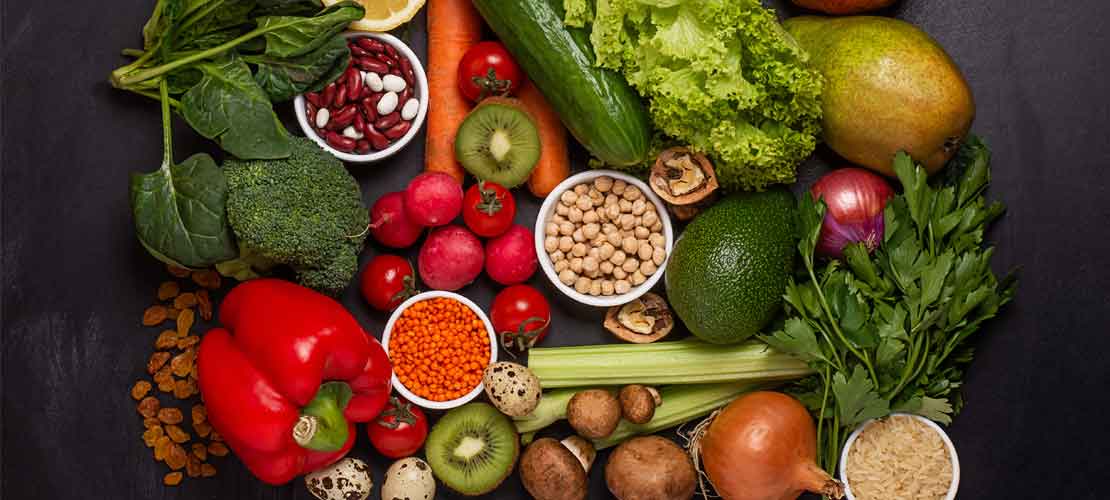
Avocado. An excellent choice for its linoleic acid, an ally of a well-functioning cardiovascular system. It is also rich in potassium, an essential mineral that helps to maintain normal blood pressure.
Mushrooms. Very low in calories, mushrooms contain folic acid and a high dose of potassium (300 to 500 mg per 100 g). To get the most from these benefits, opt for oyster mushrooms and chanterelles.
Dark chocolate. Dark chocolate (60% cocoa) is rich in polyphenols, powerful antioxidants that improve blood circulation and help to fight cognitive decline. Two squares a day (that is, 30 g) are enough.
Garlic. Feared for the heavy breath it leaves behind, garlic is nonetheless a valuable ally for blood pressure. According to studies carried out so far, eating it could help to lower blood pressure and reduce "bad" cholesterol. Garlic can be eaten fresh or taken in capsules.
Pulses. Peas, lentils or flageolet beans: there are plenty of options for enjoying a high content of plant protein and fibre, and low cholesterol. A high intake of pulses is said to reduce the risk of high blood pressure by 9% (Advances in Nutrition, 2019).
Photo Shutterstock.
 Health
 Health
 Health