
Why Japanese walking deserves a place in your routine
Translated from French. Original title: “Pourquoi se mettre à la marche japonaise ?”
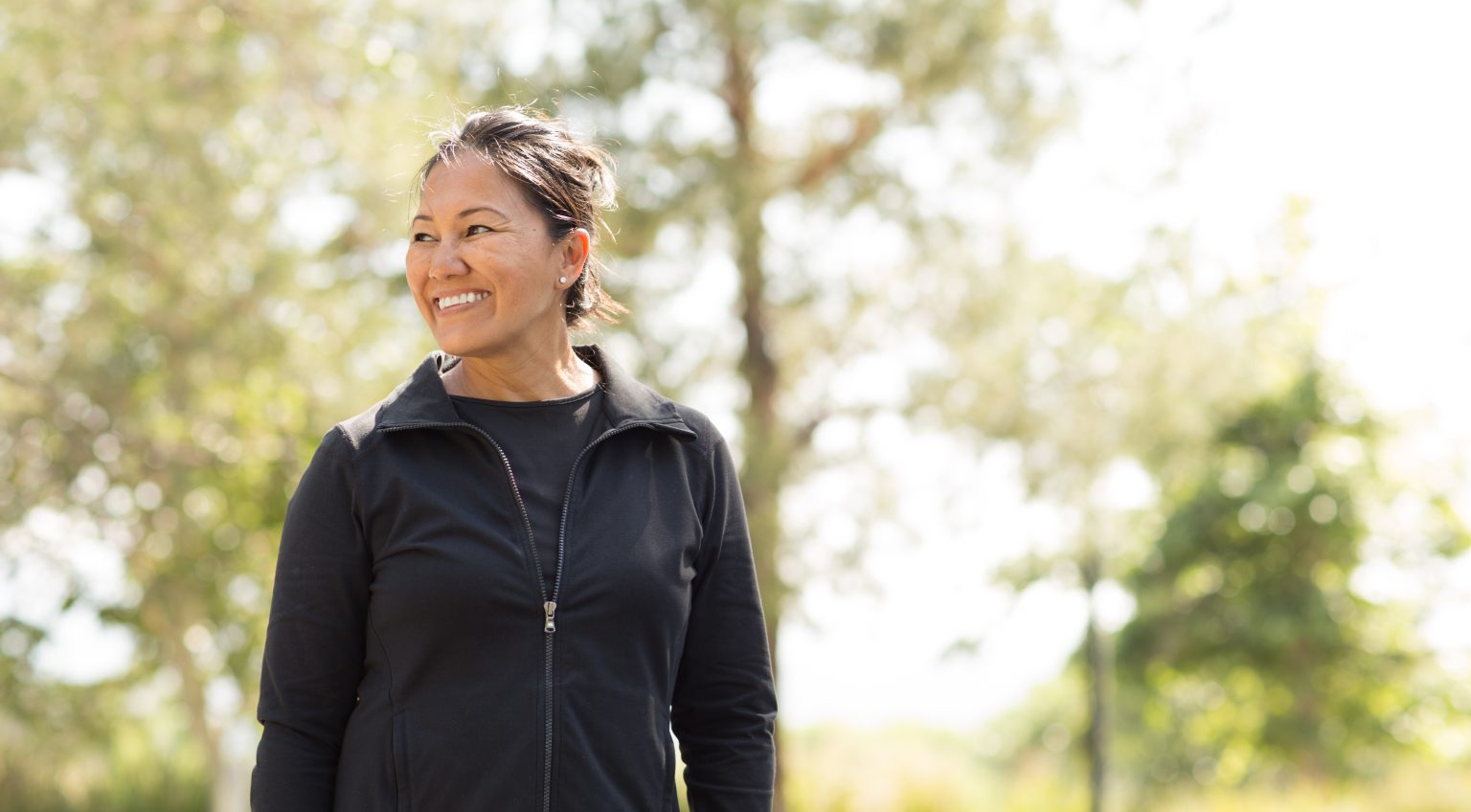
A breath of fresh air for our fitness routines
What if we woke up our exercise habits with a touch of the exotic? Hailing from Japan, Japanese walking is establishing itself as an elegant alternative to Nordic walking or jogging. Accessible to all, easy to learn and undemanding on your time, it slips effortlessly into even the busiest of schedules.
Trainers on your feet, head for a park or a tree-lined path… In just a few minutes, exercise becomes a ritual, almost an art of living.
Japanese walking: what exactly is it?
Also known as IWT – Interval Walking Training, Japanese walking was developed in 2007 by researchers Hiroshi Nose and Shizue Masuki of Shinshu University. Its principle is simple and remarkably effective: alternating phases of fast walking with phases of slow walking.
This interval-style walking, now widely shared on social media, appeals to those looking to break free of workout monotony while getting the most out of the health benefits. It also makes it easy to reach the 6,000 to 8,000 daily steps recommended between the ages of 50 and 60.
In practical terms, nothing could be simpler: comfortable clothing, a good pair of walking shoes, and the great outdoors as your only playground. No membership, no constraints, just the pleasure of varying your routes.
Benefits backed by science
Japanese walking is not just a passing fad. Scientific studies confirm its positive effects, notably one published in 2024 by Canadian Science Publishing. Among the benefits observed:
Physical benefits:
- Strengthened cardiovascular system
- Toned lower body
- Improved stamina
- Better posture
- Abdominal work that helps flatten the stomach
- Lower "bad" cholesterol
- Estimated energy expenditure of 150 to 250 calories per 30 minutes
- Low impact on the joints
Psychological benefits:
- Reduced stress and fewer symptoms of depression thanks to the release of endorphins
- Better quality of sleep
- Positive effects on cognitive function
A discipline that is truly open to all
Who is Japanese walking for? For sports coach David Moens, the answer is obvious: "Everyone, whatever their age or gender. In Japan, it is practised by teenagers and seniors alike. Everyone can adapt the intensity to their own level. Before you start, though, a quick medical check-up is still advisable, particularly to check your cardio-respiratory capacity."
Getting started: the essential tips
While Japanese walking can be done in an urban setting, natural surfaces are best. Parks, forests and country paths offer a softer terrain that is kinder to the joints.
What does a typical session look like?
- A few minutes' warm-up (gentle walking, joint mobility)
- 3 minutes of fast walking
- 3 minutes of slow walking
- Repeat the alternation around 8 times
- Finish with a few minutes of gentle walking to aid recovery
Your first sessions should not exceed 30 minutes. You can then build up the duration gradually, depending on your fitness and experience.
Ideally, Japanese walking is practised three times a week, alongside activities focused on balance and flexibility, which are particularly valuable during the menopause.
A final word for fifty-something beginners
David Moens's last piece of advice: "Never try to push beyond your limits. Progress should be gentle and steady. If you walk in a group, make sure you choose partners of the same level. The key is consistency: it is those regular appointments with movement that make all the difference."
Simple, effective and thoroughly modern, Japanese walking could well become the essential fitness ally of your fifties, reconciling body, mind and the joy of movement.
 Travel
 Beauty
 Beauty