
Which Sport Helps You Sleep Better?
For a long time, evening exercise was thought to get in the way of falling asleep. Today, with days that are busier than ever for many working women, the evening is often the only time left to work out. Which sport should you choose (or avoid) for a good night's sleep? Let's find out.
Translated from French. Original title: “Quel sport pour mieux dormir ?”
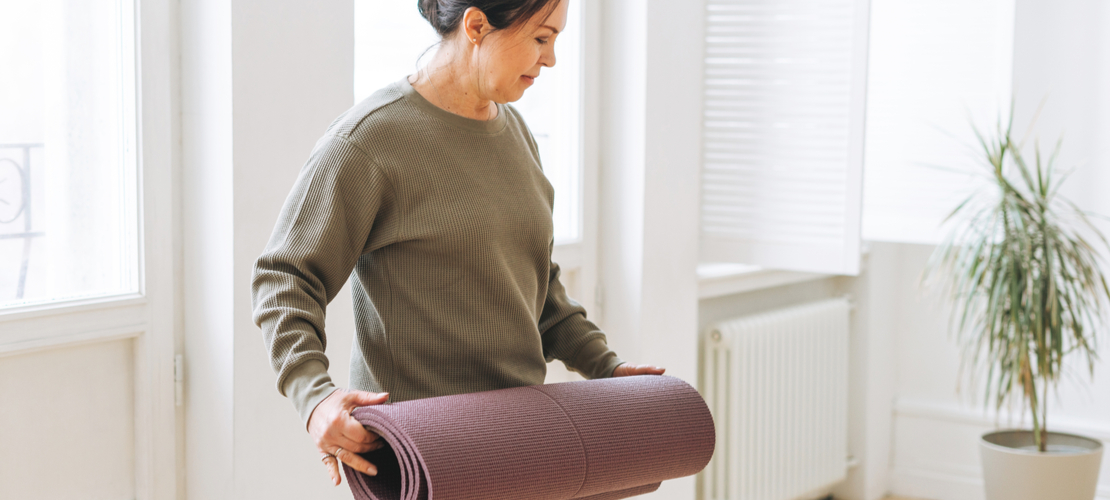
Yes to exercise, but in moderation
For exercise to be an ally in getting a better night's sleep, several conditions must be met, or you risk achieving the opposite effect. It is strongly advised not to exercise just before going to bed, nor to take part in evening competitions, so that your sleep is not disturbed by a large release of adrenaline, a well-known stimulant. Ideally, leave about 2 to 3 hours, or even longer depending on your body clock, between the end of your session and bedtime. The best time slot for a little exercise at the end of the day is between 7 and 8 pm, which gives your body enough time to wind down and drift off.
After your workout, a lukewarm bath will lower your body temperature, and a little meditation can help prepare your body for a good night's sleep. It goes without saying that your session should not be followed by long stretches in front of a screen, which risk ruining your physical efforts. That said, if your schedule allows, exercising during the day will always be more beneficial, as it helps ensure the quality of deep sleep, or stage III sleep.
Which sport should you choose for better sleep?
To help you fall asleep more easily, endurance sports are recommended: swimming, a little cycling, a walk after supper or a yoga session. Yoga, which focuses mainly on breathing exercises, is ideal for anyone prone to stress or insomnia. A Pilates session offers the same benefits, allowing the muscles to relax while also improving breathing. It is therefore perfect to practise before bedtime.
Finally, with the long summer evenings we enjoy, spending a short hour gardening, even if it is not recognised as a sport, can help you enjoy a restorative night's sleep. It is essential to stress, however, that exercise will be of no use without regularity, ideally around 30 minutes a day. In the end, whichever sport you choose, it will always be better than an evening spent in front of a screen (computer or television).
Sports best avoided in the evening
Conversely, some disciplines are better kept for the daytime because of their intensity and the level of excitement they generate. This is the case for tennis, football and, even more so, badminton, which is nevertheless regularly played at clubs after the working day. As a general rule, all ball sports are best ruled out in the evening, as they can disrupt your ability to fall asleep. Why? Because of the significant release of endorphins, the molecules released by the brain that have euphoric and stimulating effects. After intensive exercise in the evening, your body needs more time to return to a calmer state.
 Travel
 Beauty
 Beauty