
Rucking: the best way to walk after 50?
Rucking takes its name from the German word ruck, meaning rucksack. The practice has its origins in a military exercise once used to prepare soldiers to carry heavy loads over long distances. Today, the principle is far simpler: to try rucking, all you need to do is put on a rucksack and walk.
Translated from French. Original title: “Le rucking : la meilleure façon de marcher à 50 ans ?”
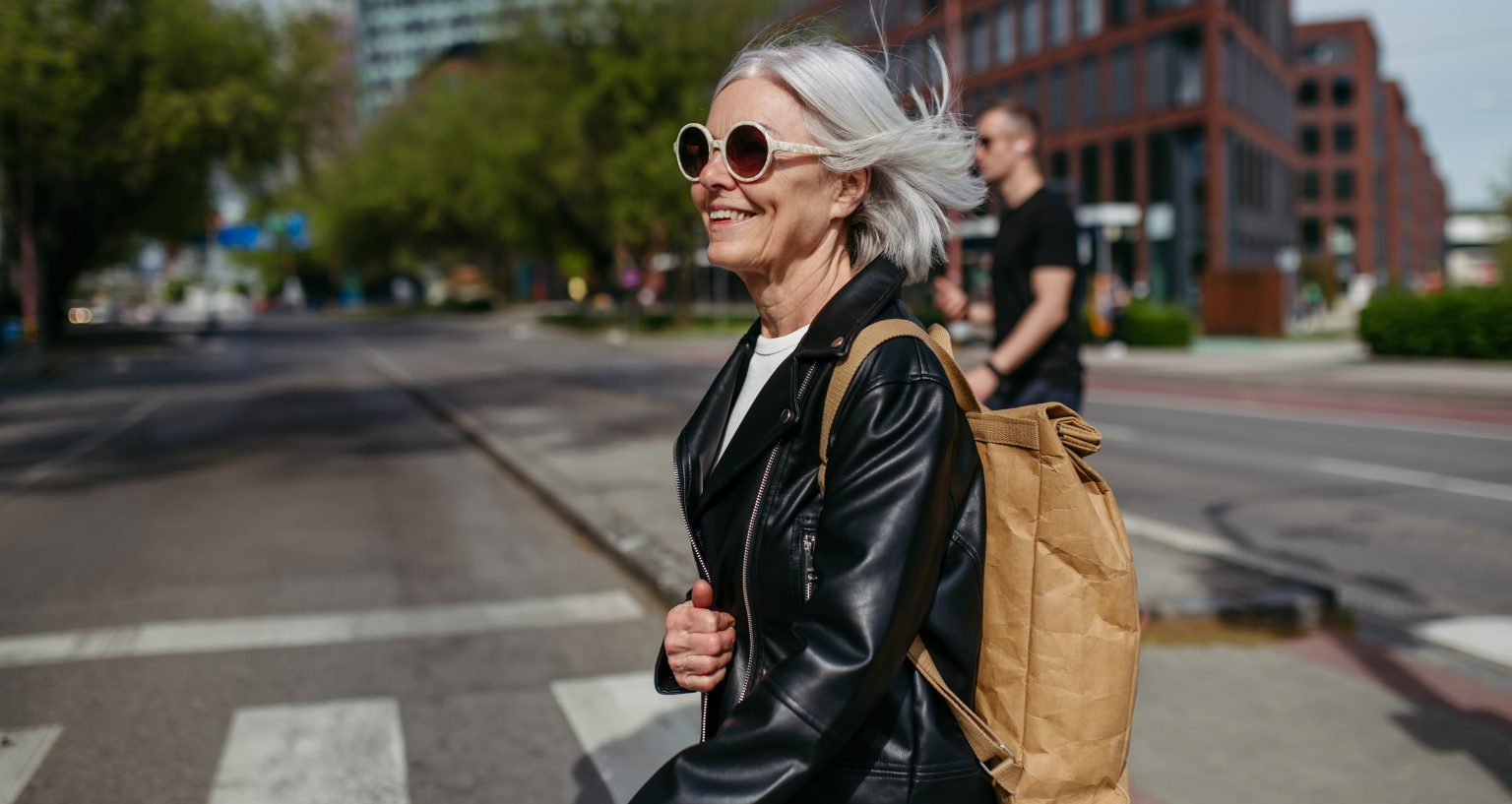
An activity that fits around your daily life
Rucking slots easily into your daily routine and can be practised two to three times a week. Once the bag is on your back, all that is left to do is walk, wherever you happen to be. The added weight creates a sensation close to walking uphill, which intensifies the effort and makes the workout more effective. You can start gently on flat ground, in town or in a park, then gradually add some incline as you progress.
The benefits
Rucking works the body as a whole. It gets the heart pumping while strengthening the legs, feet, back and shoulders. The result: a sturdier posture, less tension and a figure that naturally stands taller. It is also an excellent ally for cardiovascular health, helping to exercise the heart, improve stamina and contribute to lowering blood pressure.
Practised outdoors, it also brings the benefits of natural light. The walking, the rhythm of your breathing and the movement all soothe the mind, help to regulate anxiety and promote better-quality sleep. The body gets moving, the mind settles, and balance is restored.
The practical guide to rucking
Your rucksack is your best ally. It should be comfortable, well fitted to your back and stay firmly in place as you walk. Wide, padded straps make all the difference. There are bags designed specifically for rucking, but a good hiking rucksack will do very nicely too. As for weight, start light, at around 10% of your body weight, then increase gradually, listening to how you feel, up to 15%, or 20% at most. The key is that the load is evenly distributed. Remember to hydrate during breaks and, once your walk is over, take a few minutes to stretch: your body will recover better and cramps will be less frequent.
 Travel
 Beauty
 Beauty