
Our tips for getting fit for the slopes
Like an unchanging ritual, many sports enthusiasts head to the ski resorts to race down snow-covered slopes. But a week of winter sports can't be improvised, even if you're still in good shape in your fifties. The available data bear this out, showing that women are 3.5 times more likely to have an accident than men. All the more reason to reduce that risk with proper physical preparation for skiing. So that you come back from the mountains with lovely memories, but not on crutches…
Translated from French. Original title: “Nos conseils pour une bonne préparation physique au ski”
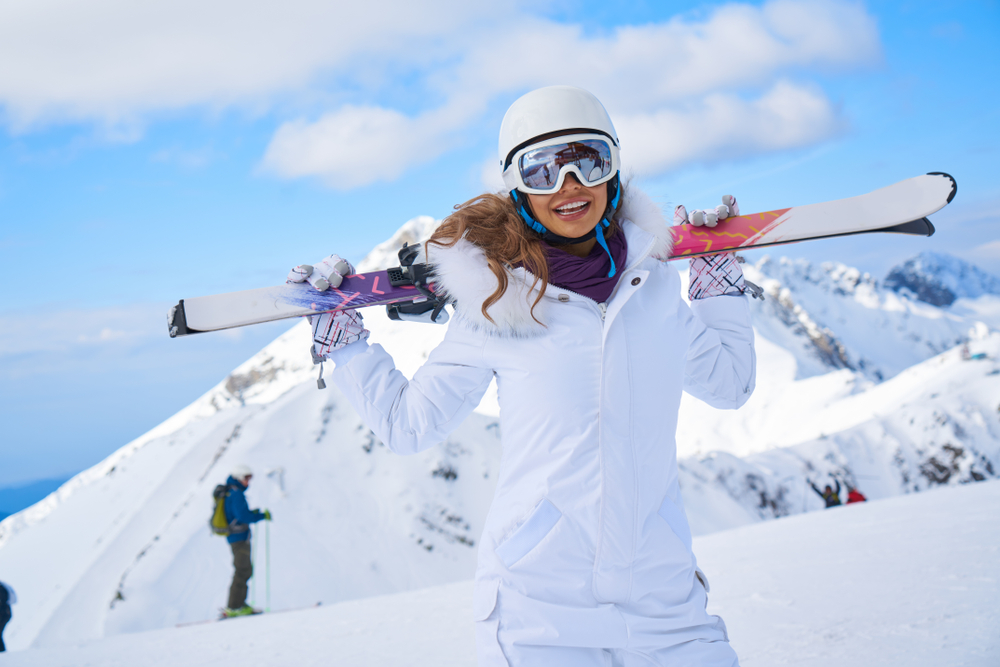
The principles of good physical preparation for skiing
Ideally, a week's skiing should be prepared for at least a month in advance. Which exercises should you favour? David Moens, a fitness coach, explains: "The aim of the fitness programme is to work the muscles and joints that will be heavily used during the descents." Which ones are they? "They are mainly the quadriceps, glutes, calves, hamstrings and, of course, the abdominals. These are the lower-body muscles to target, with lunges and squats. Not forgetting the effectiveness and simplicity of the skipping rope. These exercises should be complemented by at least one cardio sport: cycling, running or swimming, or even simple Nordic walking. A cardio sport will help your heart cope with the intense effort that skiing demands, and will also strengthen your breathing, which is weakened by altitude. It's very important to think about this, to avoid quickly becoming exhausted. And once you're there, never neglect warming up and stretching, or staying properly hydrated."
Many YouTube channels offer suitable training programmes. Such as the one by coach Lucile Woodward:
Knees: the weak point to watch
Among the potential risks of accident, the knees are the most affected. According to the website LaSanté.net, of more than 140.000 accidents recorded each year during the ski season, around a third involve knee sprains. This is the joint most often hurt, and it should be protected with exercises that focus more on the lower body, to strengthen all the muscles around the knees. Before you leave, a medical check-up can help detect conditions that might increase the risk of an accident, such as osteoarthritis or chronic pain, linked in particular to a damaged meniscus or an old injury that was not properly treated.
Beware of the second-day syndrome
Even well trained and well equipped, a woman skier can still put herself in danger when she overestimates her strength in the first days of the holiday. After a year of waiting and a long journey to reach the resort, the temptation is great to put on your skis straight away and make the most of the slopes. The classic mistake. Why? David Moens explains: "The wrong reflex, at the start of a winter holiday, is not listening to the signs of fatigue your body is sending. The result is that by the second day, your muscles are sore and stiff, with repeated falls as a consequence, and a danger to others. It's better to stay moderate during the first few days of skiing."
Photo Shutterstock.
 Travel
 Beauty
 Beauty