
Love skiing? Beware the 'second-day syndrome'
After two very difficult years because of Covid, you may be heading for the slopes with your (grand)children. Skis on your feet, forgetting everything else. A great idea, but steer clear of any excess in the first few days. The accident statistics are not in your favour, hence the name: the second-day syndrome. Here is what you need to know.
Translated from French. Original title: “Vous aimez skier ? Gare au ‘syndrome du deuxième jour’”
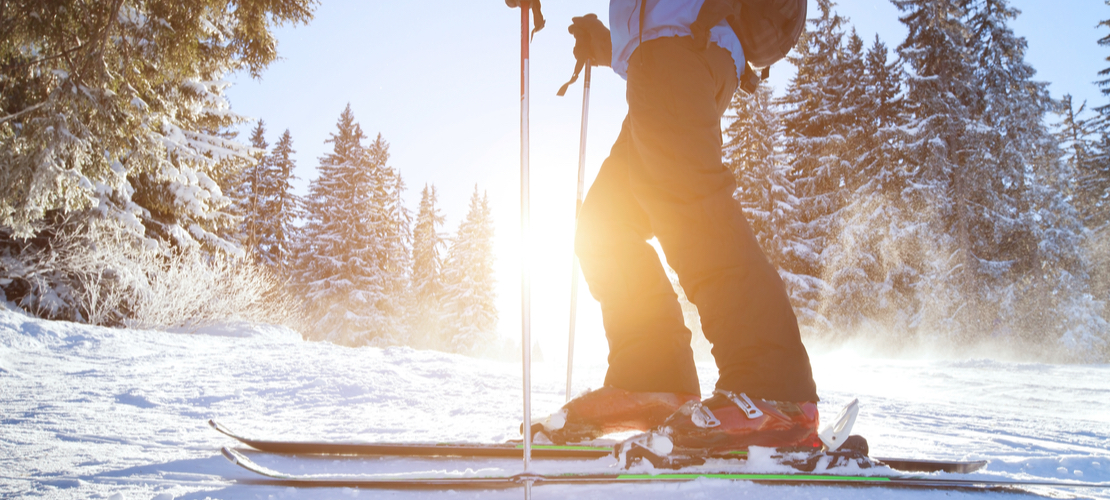
The second-day syndrome: what is it?
As soon as they arrive at the resort, everyone has the same urge: to rush onto the slopes. Not to waste a moment of pleasure on the powder. By evening, tiredness has set in, added to the fatigue of the journey and a lack of exercise over the past year. Never mind. The next day, you do it all again. With runs taken without restraint. Even if it means pushing yourself too hard. This second day, well known to the doctors based in the resorts, is often synonymous with injuries. Joint or muscle injuries, even fractures. They are caused by the body's fatigue, which we all too rarely listen to. And there are consequences for you and for other skiers, because tiredness slows your reaction time when faced with danger.
Good advice for getting back into skiing
Unless you live in the mountains, or very close to them, you probably haven't skied for a year. Before launching yourself onto the slopes in the wake of the regulars, it is a good idea to let your body get used again to the intense physical effort that skiing involves. Sports coach Gauthier de Goursac shares his best tips for limiting the risks of the second-day syndrome. "First and foremost, don't push yourself on the first day. You often arrive tired and stressed after months of work and a difficult journey. Your body needs to absorb all that and rest. I always recommend using the first day to go for a hike, sleep well and, if you like, treat yourself to one or two runs on an easy piste. That way you rediscover the sensations without jeopardising the rest of your stay with an injury. Of course, don't forget to warm up beforehand and to think about staying well hydrated (to avoid cramps)."
Which exercises should you favour to prepare for skiing?
A complete and (very) demanding sport, skiing is a cardio activity that you can't just improvise. You risk injuring yourself, and putting others in danger. It is advisable to prepare at least a little before your stay in the mountains. If you have done little or no sport over the past year, you should devote a few weeks to exercises suited to skiing. In particular so that you can cope with this endurance sport, which also demands flexibility and balance. Regular cardio training will help you recover more quickly and give you more tone. In about 3 to 4 weeks, you can get your body sufficiently prepared. With exercises designed to build up your breathing capacity, strengthen the muscles of your abdominal and lower-back area and prepare your joints. Among the sports best suited to this physical preparation, the rowing machine, cycling, skipping, running and swimming will be your best allies.
 Travel
 Beauty
 Beauty