
How to Create Your Own Home Gym
After a full day, it takes a real effort of will to get ready, head out and make your way to the gym. So what if the gym came to you? Since the various lockdowns, creating your own exercise room has become a growing trend. What should you look out for, and where do you start to get the most out of it?
Translated from French. Original title: “Comment se créer sa propre home gym ?”
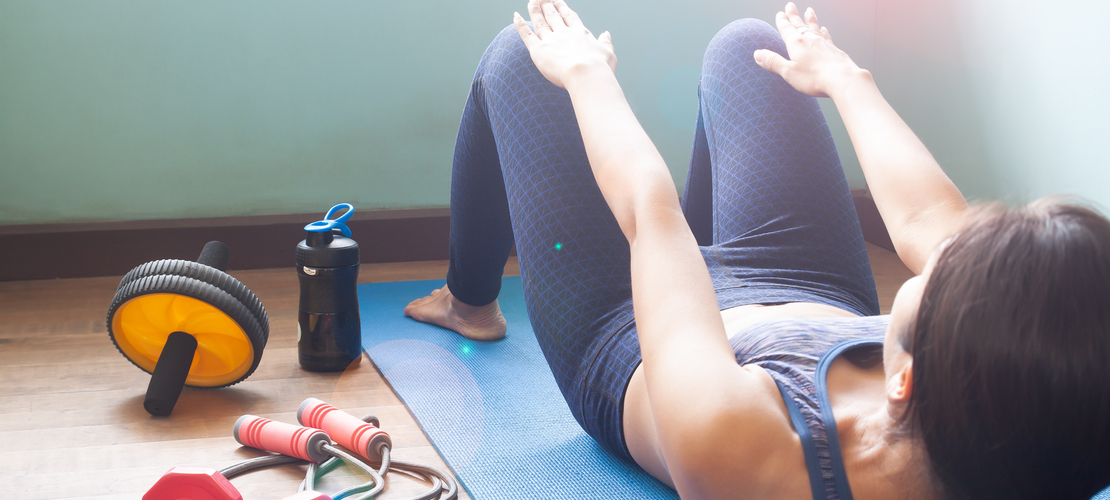
The pros and cons of your own home gym
A way to reduce the risk of a sedentary lifestyle if you work from home.
A welcome time-saver. No more travelling, hunting for a parking space or spending time in the changing rooms.
You exercise whenever you like, with no timetable to stick to as you would at a club.
You can invite friends to join you.
You have an environment that suits you and keeps you motivated.
No rules to follow on what to wear or how much noise you make.
A fun family activity.
A few drawbacks:
No coach to correct your exercises
A risk of losing motivation if you work out on your own
A budget to invest.
A well-planned room
Before you can enjoy exercises that will do wonders for your figure, a few points need some thought, starting with the place that will serve as your gym. Ideally, this would be a room dedicated to exercise, sparing you the tedious job of setting up and then putting away the equipment. A luxury, admittedly. It is best to choose a room set apart from the rest of the house, so that the noise of your machines does not disturb the rest of the family or the neighbours. The size of the room will depend on the type of exercise you choose to do. Allow at least 10 m². "Go for a room that is well lit by natural light and sufficiently heated, but not too much, at around 18 to 20 degrees. A room in which you feel comfortable," explains Didier Moens, fitness coach. The room should also allow for good ventilation, to regulate the humidity generated by exercise. Think about the decor and accessories too, such as motivating music and a large mirror so that you can check your posture and correct it if need be.
What equipment should you buy?
Once the room is ready, which equipment should you get? And how do you choose? "For anyone wanting to equip themselves at home, I advise resisting the temptation to buy lots of equipment at once. It is better to think carefully first about what you want to achieve through exercise, and then to choose your equipment according to those results," explains Didier Moens. He adds that "it is better to spend your budget on quality equipment. Fewer accessories, but of better quality and safer, to avoid accidents. It is just like buying a bike: it may be better to wait until you have a bigger budget and buy something good, with the advice of a specialist."
To get started, a good exercise mat, a cross trainer, an adjustable bench, adjustable dumbbells (so that you can progress), a Swiss ball and a skipping rope make a good start, for a budget of around 1,000 euros.
 Travel
 Beauty
 Beauty