
Exercise and longevity: the science (and art) of living longer, in better health
Researchers now talk about healthspan: the years lived with a strong heart, a clear mind, supple joints, a sharp memory and steady energy. And while diet, sleep and stress management all play their part, it is physical activity that acts as a longevity accelerator.
Translated from French. Original title: “Sport et longévité : la science (et l’art) de vivre plus longtemps en meilleure santé”
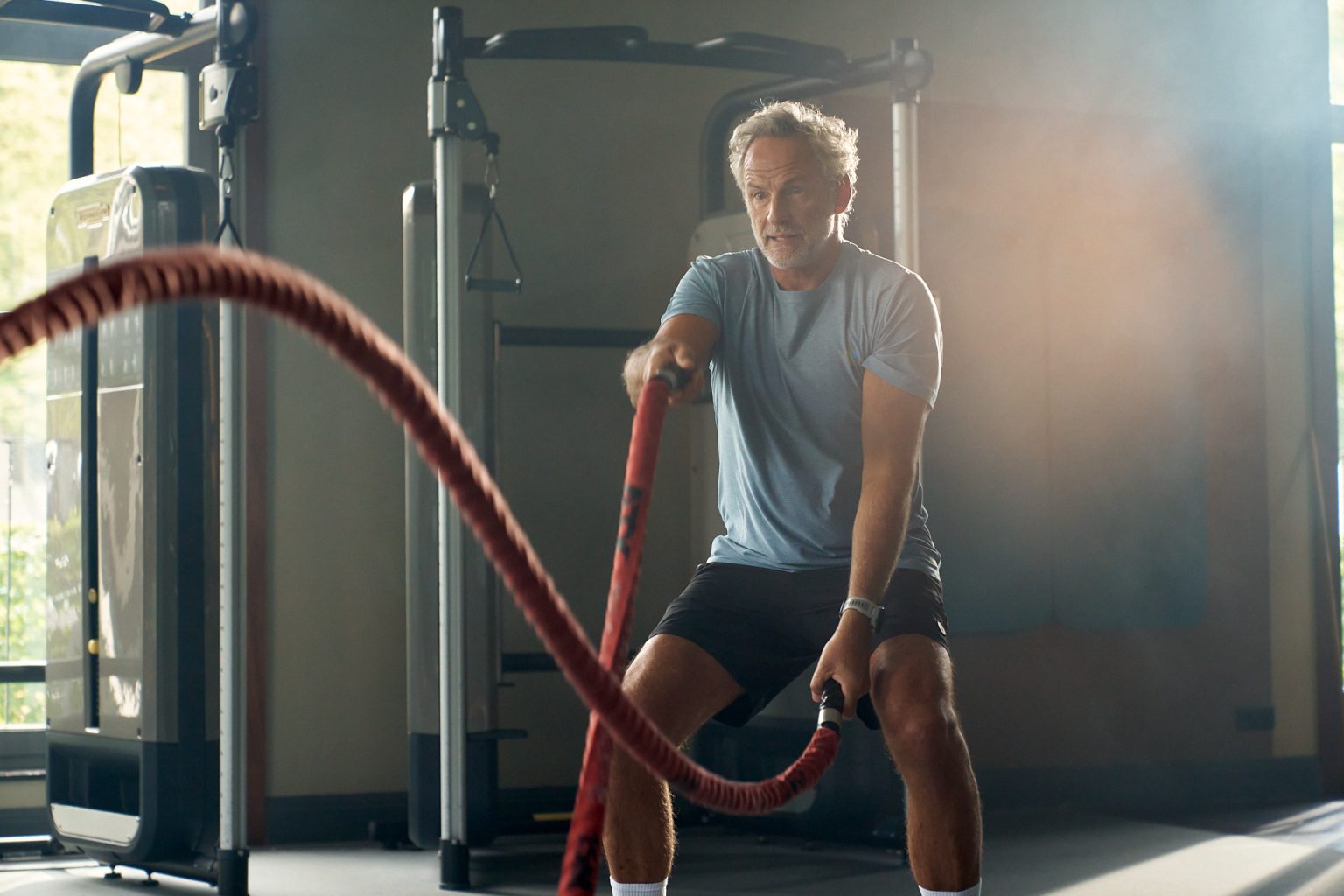
Movement as the first medicine
The scientific consensus is clear: moving regularly is one of the most effective ways to slow ageing. Exercise stimulates the body's cellular repair processes, including autophagy, the mechanism by which the body "cleans out" damaged cells. It also reduces cellular senescence, the build-up of ageing cells that accumulate over time and contribute to chronic inflammation, an inflammation linked to almost every age-related disease: Alzheimer's, diabetes, cardiovascular disease and certain cancers.
Moving also improves metabolism, strengthens immunity, regulates blood sugar and reduces oxidative stress. It is a genuine everyday therapy. In the Blue Zones, those regions of the world with large numbers of centenarians, longevity is closely tied to natural movement: people walk a lot, garden, climb, carry, bend down and get back up again. Their life is their physical activity. For us, that movement now takes the form of structured training: strength work, cardio, mobility and balance. These are all pillars that turn back the biological clock.
Exercise and the brain: an anti-ageing elixir
Physical activity transforms the brain too. It improves blood flow and oxygenation to the brain, stimulates neuroplasticity (the brain's ability to form new connections), boosts the production of dopamine and serotonin, and lowers cortisol, the stress hormone. The result? A sharper memory, better concentration, a steadier mood and a marked reduction in the risk of dementia. Exercise works both as an immediate cognitive stimulant and as long-term protection.
Muscles: true organs of longevity
Muscle loss begins as early as 30: a reality that is often invisible, but decisive. Muscles play a major role in balance, posture, blood sugar regulation, bone density, mobility and even hormones. A good level of muscle mass is directly associated with a longer healthy life expectancy. Resistance exercises (machines, free weights, resistance bands, functional movements) slow biological ageing, improve independence and support a body that can do anything… for a long time.
A trained heart for a longer life
Cardiorespiratory endurance is one of the best predictors of longevity. The famous VO2 max, the measure of our ability to use oxygen, is even considered by some researchers to be more important than genetic markers.
Regular cardio work oxygenates the tissues, improves circulation, stabilises blood sugar, reduces inflammatory stress and protects against cardiovascular disease. There is no need to aim for extreme performance: consistency matters more than intensity.
Mobility and balance: the keys to freedom of movement
Ageing well means staying agile. Mobility prevents stiffness, protects the joints and allows you to move with fluidity. Balance, meanwhile, prevents falls, a decisive health factor after 60. Stretching, Pilates, yoga, proprioception exercises… These gentle practices keep the body stable, supple and confident.
Exercise as an antidote to stress
Chronic stress accelerates ageing. Exercise slows it down. Every session releases endorphins, lowers cortisol, makes it easier to fall asleep, deepens sleep and calms the nervous system. Training thus becomes a refuge, a moment to refocus and let the body find its inner balance again.
Ageing actively is no longer a dream
Would you like to live a long life, in great shape, with a body that carries you rather than holds you back? Growing older is a privilege. Ageing well is a choice. And that choice is woven from the simplest of gestures: a colourful plate, a walk in the sunshine, a strength session, a shared laugh, a restorative night's sleep, a project that carries you away. Longevity is not so much the art of living for a long time as the art of living fully. And what if it all started today?
Discover Aspria's expertise and start your longevity programme today with a free invitation for a day at one of the 3 Aspria clubs, from 1 to 31 December 2025.*
Register by clicking here!
* As the number of invitations is limited, Aspria operates on a first come, first served basis.
 Travel
 Beauty
 Beauty