
Exercise after 50: the top 5 for a longer life!
Translated from French. Original title: “Bouger après 50 ans : le top 5 qui prolonge votre vie !”
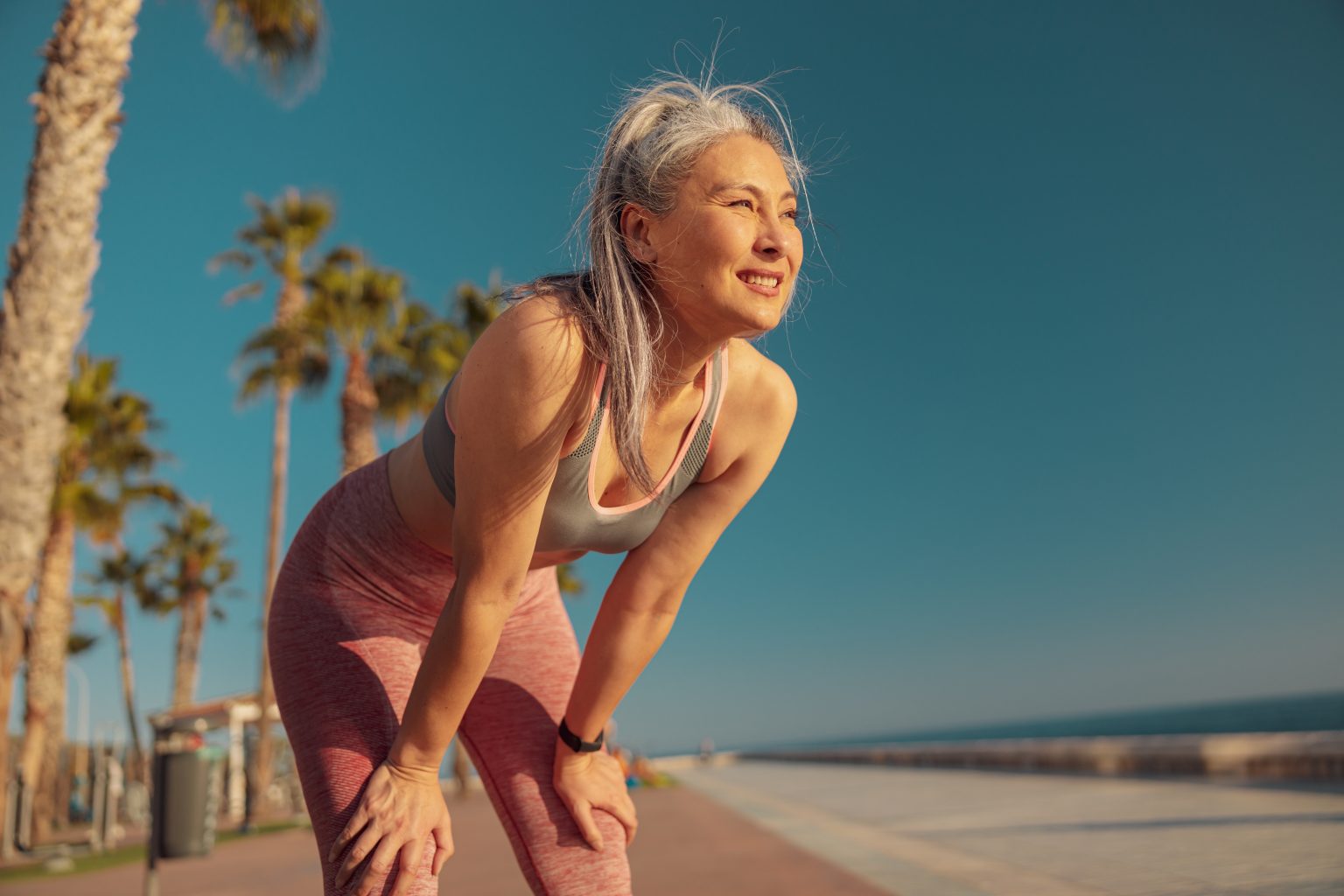
1. Walking, the essential foundation
Accessible, free and possible almost anywhere, walking is the easiest activity to fit into everyday life. It improves cardiovascular health, helps regulate blood pressure and lowers the risk of diabetes and heart disease, while also supporting mood and certain brain functions. Thirty minutes a day at a brisk pace is enough to bring lasting benefits.
2. Swimming, the ultimate all-round sport
Swimming comes top of the list. This all-round sport works the whole body without putting stress on the joints, which makes it especially valuable if you have pain or osteoarthritis. It trains cardiovascular endurance, muscle strength and flexibility all at once.
3. Tai chi, an ally for balance and serenity
Less well known but just as valuable, tai chi combines slow movements, deep breathing and concentration. It improves balance and coordination, two key factors in preventing falls after 50. It has also shown positive effects on stress, sleep quality and joint flexibility. Practised outdoors or indoors, tai chi requires no special equipment.
4. Tennis, for body and social connection
Tennis combines cardiovascular effort, coordination and quick decision-making and, less obviously, develops a genuine strategic mind. Its social side, often enjoyed in doubles or at a club, also plays a protective role: social connection is recognised as a longevity factor in its own right. On the other hand, it demands a good basic level of fitness and a minimum of equipment.
5. Strength training, to preserve muscle mass and independence
With age, the gradual loss of muscle mass (sarcopenia) becomes a major issue for independence: people can lose 30 to 50% of their muscle mass by the age of 80 if nothing is done. Strength training, even light and gradual, helps maintain strength, bone density and metabolism. Two to three sessions a week, with suitable weights (dumbbells rather than heavy loads), are enough to noticeably slow this natural decline and to reduce the risk of falls and fractures.
Health focus: what is really at stake after 50
Beyond the pleasure of moving, physical activity after fifty meets specific physiological needs, particularly for women. The menopause changes everything. The drop in oestrogen speeds up the loss of bone density (by up to 2 to 3% a year in the first few years after the menopause) and increases cardiovascular risk, as oestrogen had until then played a protective role for the heart and blood vessels. Physical activity compensates for only about half of this bone loss: it remains essential, but does not replace medical follow-up (bone assessment, vitamin D, calcium).
The practical recommendations: at least 150 minutes of moderate activity a week (or 75 minutes of intense activity), spread for example over 30 minutes, 5 days a week, including muscle strengthening 2 to 3 times a week and balance exercises. Weight-bearing activities (brisk walking, tennis, climbing stairs) and muscle strengthening are particularly recommended for bone health.
A sedentary lifestyle is a risk in its own right, even for women who otherwise exercise: limiting the time spent sitting is said to reduce the risk of cardiovascular disease by 30 to 40%. Getting up regularly, taking the stairs, walking during phone calls: these micro-habits count as much as the weekly workout.
Psychology focus: the invisible benefit
Exercise after 50 is not measured only in blood pressure or muscle mass. Several less visible benefits weigh just as heavily in the long run:
- Against isolation. Group activities (walking clubs, group classes, tennis clubs) create connections and combat social isolation, a risk factor now as widely studied as smoking or a sedentary lifestyle.
- On mood and stress. Regular physical activity reduces symptoms of anxiety and depression and acts on the production of endorphins and the regulation of cortisol, the stress hormone.
- On memory and concentration. Several activities, including walking, dancing and tai chi, are associated with better preservation of cognitive function: memory, concentration and processing speed.
- On self-confidence. Making progress in a sport, even modestly, strengthens your sense of competence and independence, one of the pillars of psychological wellbeing at any age.
The ideal is still to choose an activity that you enjoy: regularity, the key to all these benefits, depends first and foremost on wanting to go back.
Where to exercise in Belgium?
Walking and Nordic walking
- Marche Nordique asbl (Brussels region): guided outings all year round, introductory sessions available.
- Nordic Fitness Center Brussels: Nordic walking and Pilates.
- Fédération Francophone Belge des Marches Populaires (FFBMP)
Tai chi and qi gong
- Société de Tai Chi Taoïste de Belgique: classes and introductory sessions in Brussels.
- Association Belge de Tai Chi Chuan et de Chi Kung Yun Shou (ABTCC): classes in several Walloon towns (Liège, Namur, Gembloux, Spa…).
- ADEPS: tai chi and yoga classes in Brussels, gentle level.
Tennis and racket sports
- énéoSport: more than 350 sports clubs across Belgium, with an offer designed specifically for the over-50s, including tennis.
- Several municipal sports centres offer "senior racket" sessions combining tennis, padel, table tennis and badminton.
Strength training and conditioning
- énéoSport, again, offers gentle muscle-strengthening classes and gym tonic classes adapted to the over-50s throughout its network of clubs.
- Standard fitness centres (tAspria, Kineo, David Lloyd…) increasingly offer "50+" group classes led by coaches.
Seniors
- Liages (formerly Espace Seniors, Solidaris network): sports and leisure activities across the Fédération Wallonie-Bruxelles, from the age of 55.
- L'Université des Aînés (Brussels): classes in body awareness, keep-fit gymnastics and tai chi.
Good to know: some Belgian mutual health insurers (mutuelles) reimburse part of the cost of a gym membership or sports club subscription.
 Travel
 Beauty
 Beauty