
Cutting for women: how to get it right
If you want to bid farewell to a few surplus kilos, wearing yourself out in a gym to shed targeted fat as fast as possible is not the right approach. Adapted to the female physique and properly supervised, muscle definition – or "cutting" – can, however, deliver what you are hoping for. It is a technique built on the pairing of exercise and a targeted diet.
Translated from French. Original title: “Sèche musculaire : nos conseils pour la réussir”
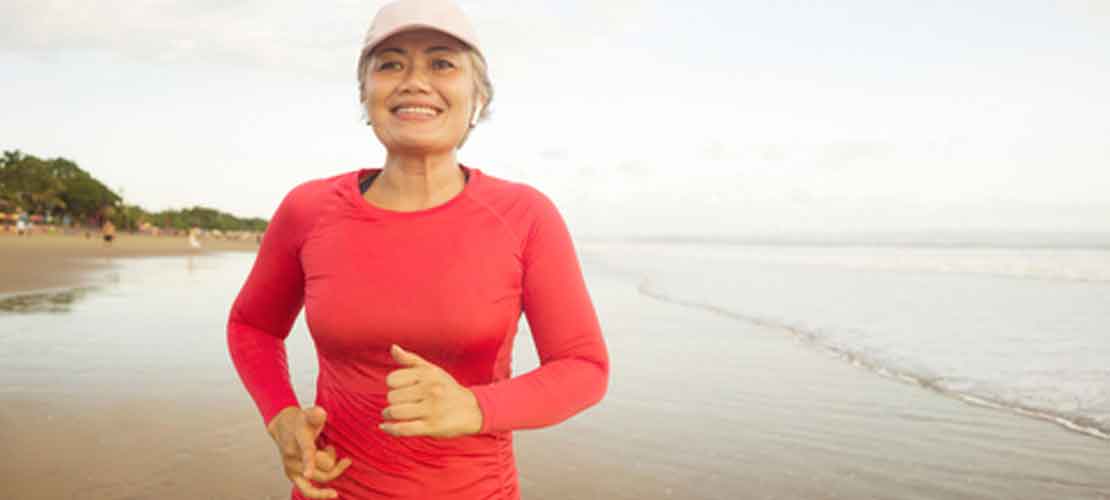
What is cutting?
Behind this rather vague term lies a training process often adopted by sportspeople. Cutting involves a diet specially designed to burn off as much body fat as possible, so that the results gained through training show more clearly, with beautifully defined muscles.
Cutting is not something to improvise
To avoid deficiencies, and to avoid losing muscle as well as fat, it is best to be guided by professionals. "I always advise amateur sportspeople, men and women alike, against starting a cut without the supervision of a coach or even their doctor. You risk making mistakes, both for your health and for the cut itself," explains Martin Coenants, a sports coach. What is the most common mistake? "Forgetting that with cutting, the aim is not to lose kilos quickly, but to melt away body fat gradually while keeping your muscle mass intact."
And in practice?
As for the menu, the advice of a nutritionist is needed to meet your energy requirements. The aim is to reduce the amount of food you eat and to keep a close eye on the calories and fat you consume. The diet should be rich in protein, but must not exceed recommended limits either: between 1.5 and 3 g of protein per kilo of body weight per day. Carbohydrates should be reduced but not eliminated, as they are necessary for energy, in particular rice and wholegrain cereals. The average daily intake is between 2 and 3 g per kilo of body weight.
Which sports should you choose?
"I like to favour HIIT (high-intensity interval training) sessions with a ratio of 40% cardio to 60% strength training. An intense HIIT workout is ideal for losing weight, particularly around the hips and stomach. Among cardio activities, I recommend skipping, rowing, running or cycling. For strength training, I rely on squats and pull-ups," explains the coach. What is his final piece of advice? "Take your time, so as not to mistreat either your health or your body. A successful cut depends on consistency, patience and the right combination of diet and exercise. Finally, the programme must be accompanied by good hydration, with 1.5 to 2 litres of water a day, and enough sleep to ensure proper recovery," concludes Martin Coenants.
The enemies of cutting
A diet and an exercise routine will not deliver the expected results without a drastic reduction in certain foods and drinks:
- Ready meals, which are too sugary and too salty
- Sugar, which is responsible for fat storage
- Shop-bought pastries and cakes
- Refined cereals
- Alcoholic drinks.
Photo: Shutterstock.
 Travel
 Beauty
 Beauty