
Why Do We Sleep So Badly the First Night Away From Home?
Who hasn't struggled to drop off on the first night spent somewhere unfamiliar? Whether it's a luxury hotel or a new partner's home, it happens regardless of how comfortable or safe you feel. It is a very common type of insomnia, and there are a few things you can do to help yourself drift off into the arms of Morpheus. It is also a mechanism that science has identified and explained.
Translated from French. Original title: “Sommeil : qu’est-ce que l’effet première nuit ?”
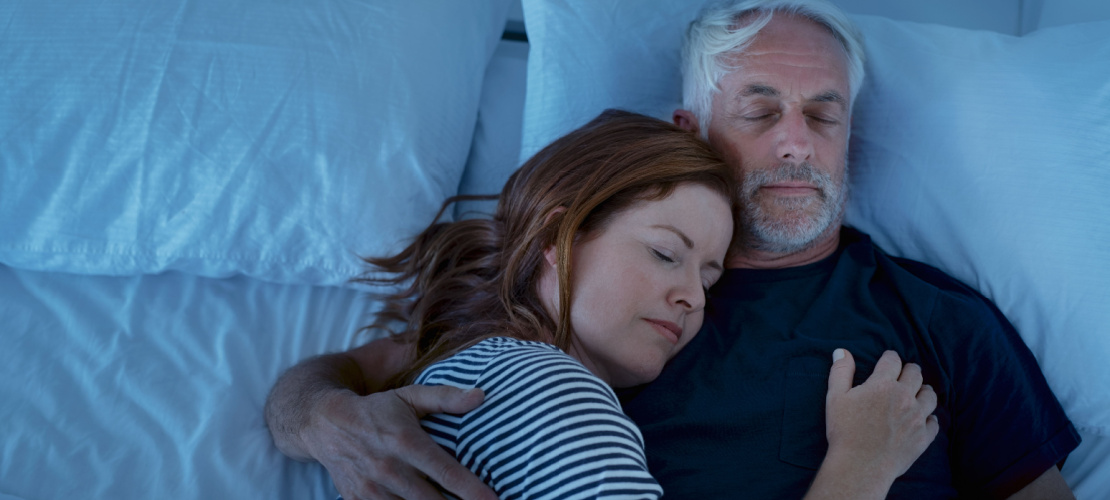
Why is sleep worse away from home?
Trouble falling asleep quickly, light sleep punctuated by waking in the night, and a groggy start to the morning. These are the main symptoms of the "first night effect", also known by the acronym FNE. This temporary sleep disturbance affects some 99% of people. It was analysed in a 2016 study led by Professor Masako Tamaki and other researchers at Brown University in the United States. The study, which used neuroimaging techniques, revealed the scientific reason behind this poor-quality sleep. The culprit? The brain, and more precisely its left hemisphere, which is more sensitive to sound stimuli. In an unfamiliar environment, the study showed, it switches to alert mode, ready to wake us at the first sign of possible danger. The slightest unusual noise is enough to trigger a period of wakefulness. It is a defence mechanism inherited from our prehistoric ancestors, and it has survived every stage of human evolution.
Fortunately, the first night effect fades from the second night spent in the same place. The exception is anxious sleepers, or those prone to so-called psychophysiological insomnia. People affected by this have difficulty falling asleep and suffer insomnia linked to negative associations at bedtime. For them, the effects can last several nights.
As for the typical profile of a sleeper who is susceptible to the phenomenon, there isn't one. The first night effect affects everyone, regardless of gender or age.
Tips to beat the first night effect
Before going to bed somewhere unfamiliar, a few simple steps can be enough to "reassure" the left hemisphere and help you fall asleep faster. The idea is to trick the brain and recreate a reassuring space. You might make a few small changes to the room, for instance by switching off any electrical appliances such as the air conditioning or the clock. Wearing earplugs will be part of the solution if the surroundings are noisy. A dripping tap or the sounds from the next room can become a nightmare and ruin your sleep.
Sleeping well in a new setting also means recreating your usual routine. Where possible, keep to your normal bedtime and wake-up time so as not to disrupt your circadian rhythm. And don't forget one effective little trick: take along a familiar pillowcase, or even the pillow from your own bedroom. This kind of comfort blanket will reassure your brain and help you sleep better.
Photo: Shutterstock.
 Health
 Travel
 Beauty