
Why a nap is good for your health
Who hasn't nodded off after lunch, longing for a restorative little nap? It's a habit that is often mocked and associated with the idle or the retired, and it remains taboo in the workplace, where it is seen as time wasted. So what if, at long last, we broke down our resistance to napping here in northern Europe and followed the example of countries where the nap is built into the working day? In China, for instance, it has been enshrined in the Constitution since 1948.
Translated from French. Original title: “Faire la sieste pour améliorer sa santé”
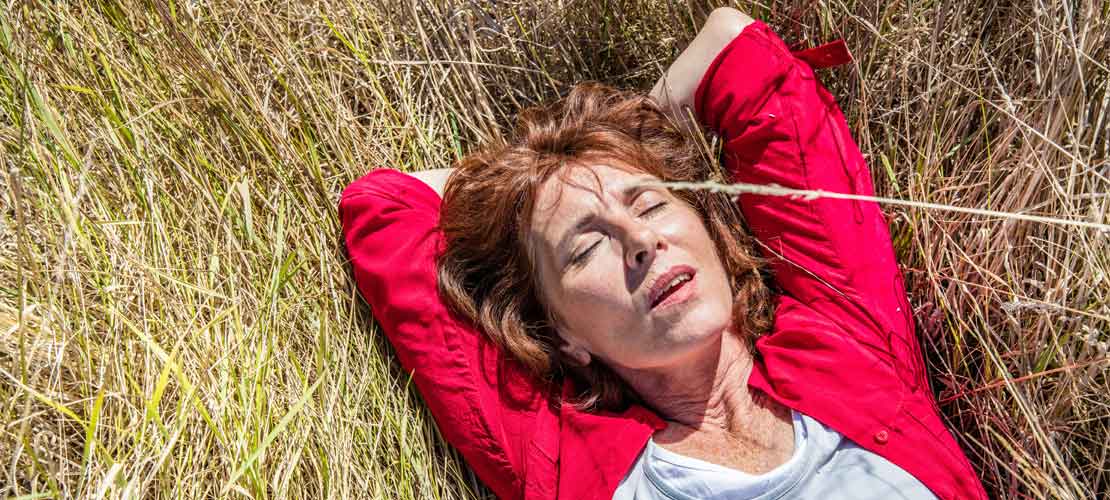
Why take a daily nap?
Besides the pleasure of treating yourself to a moment of relaxation that is entirely your own, napping offers many benefits:
- Partial recovery from a lack of sleep.
- Light sleep to defuse a period of tension.
- A natural way to fight daytime drowsiness.
- A boost to creativity, made possible by light sleep.
- A stimulating effect on waking, thanks to the production of noradrenaline.
- An anti-stress solution, and therefore a preventive measure against the risk of heart disease.
- Improved concentration.
- Restored alertness and a lower risk of accidents.
- A helping hand in retaining what you have learned during the day.
When should you take a break?
A nap doesn't need to be long to be beneficial. What is known as a power nap, or energising nap, ideally lasts between 10 and 15 minutes. It is best not to go beyond thirty minutes or so. Beyond that point, the sleeper drifts into deep sleep, which makes it hard to wake up and get back to work effectively, with the feeling of being just as tired as before, if not more so. Duration matters, but so does timing. The best choice is to nap after lunch, around 1 or 2 pm, when concentration starts to dip. It is also worth remembering that the word sieste comes from the Latin sexta (the sixth hour after waking) and the Spanish siesta. In old French, the nap was also known as the méridienne, meaning the middle of the day. Avoid napping late in the day, as it risks causing insomnia at night.
Best avoided if you have sleep problems
Despite its recognised benefits, napping is not recommended for everyone. It should be avoided by people who naturally find it hard to fall asleep or who suffer from chronic insomnia, a problem that affects between 20 and 36% of the world's population. In addition, the journal Ma Santé points out that "a long nap (of 1 to 2 hours) can disrupt the quality of sleep in older people and be associated with cognitive decline and cardiovascular risks."
Photo Shutterstock.
 Health
 Travel
 Beauty