
When alcohol leads to hangxiety
Who wouldn't like to forget, for the length of an evening with friends, the troubled times we are living through? But too much alcohol can come at a high price the next day, in the form of a phenomenon known by the name of hangxiety.
Translated from French. Original title: “Quand l’alcool mène à l’hangxiety”
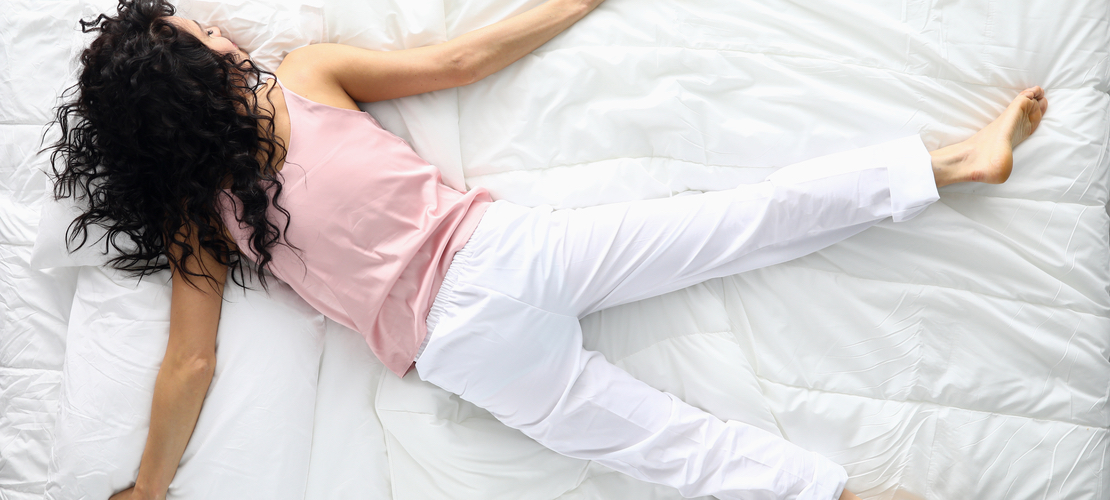
Hangxiety: what is it?
Hangxiety, a blend of the words hangover and anxiety, describes the feeling of unease experienced after drinking alcohol. As well as the usual physical consequences (nausea, migraine, dizziness…), there are psychological ones too, including anxiety and intense bouts of dread. A hangover increases the effects of the stress hormone, cortisol. At the same time as cortisol rises, dopamine falls. Known as the happiness hormone, dopamine can help regulate anxiety. The body also reacts with a faster heart rate and higher blood pressure.
Alcohol, the traitor
A false friend, alcohol seems able to wipe away the worries of a bad day and bring relaxation and a sense of well-being. To produce this feeling of calm, alcohol blocks the excitatory transmitters in the brain, among them glutamate, which plays an important part in forming memories. This mechanism explains why we can remember nothing after a boozy evening. Once the soothing effects of alcohol wear off, anxiety comes charging back, creating a vicious circle of drinking alcohol to keep it at bay.
What are the symptoms of hangxiety?
According to one study (1), hangxiety affects some 12% of the population, though to varying degrees. Some people will feel almost nothing, while others will suffer major panic attacks and bouts of dread, depending on their natural predisposition to anxiety. The symptoms experienced include:
- A feeling of remorse
- Nervousness, even irritability
- Difficulty concentrating
- Lethargy
- Low mood and sadness
- Short-term memory loss
- Dark thoughts that are constantly turned over
- Chest pains linked to anxiety
- Possible epileptic seizures.
How to deal with hangxiety
The most obvious way to avoid the ill effects of hangxiety would be to give up alcohol altogether. But things are not that simple, particularly when it comes to social life, where alcohol helps people let their inhibitions go. The morning after a boozy party, the best solution is to rehydrate, to sleep and also to do some relaxation exercises. The recovery period lasts between one and two days, and the time it takes depends on age: it is longer at 50 than at 20. We have to admit it.
(1) The clinical results of this survey are available online on the website of the National Library of Medecine: https://www.ncbi.nlm.nih.gov/pmc/articles/PMC6832275/
Please note: if you have a problem with alcohol, seek help, here for example.
 Health
 Travel
 Beauty