
Walking Therapy: yes, therapy on the move is a real thing
Translated from Dutch. Original title: “Walking Therapy: er bestaat dus zoiets als wandelend therapie volgen”
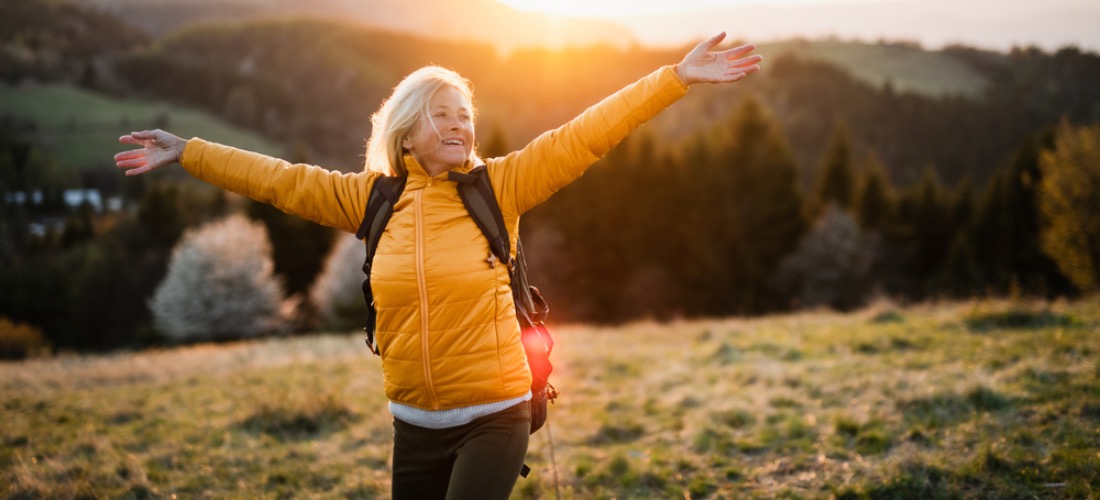
The benefits of Walking Therapy
Walking Therapy came about in the 2000s. When a New York therapist noticed that some of his patients had little time for therapy, he decided to hold his consultations in Central Park. Before long, Walking Therapy proved to be a resounding success.
Since then, thousands of people have got back on their feet thanks to this new form of therapy. Covid has changed the way we work, and that goes for many psychotherapists too. Since the start of the pandemic, more and more people need psychological help. With this (and other) new ways of treating patients, psychotherapists can respond to that need better.
With Walking Therapy, you are in a therapeutic setting anyway, and you avoid a face-to-face conversation in an enclosed space. By walking together, you can also restore your bond with nature. Open-air sessions therefore offer more perspectives than talking on the couch… When you walk, body and mind move together. It is easier to leave your problems behind you. And to move forward. Because you are moving (which also releases endorphins and other feel-good hormones), your brooding fades and room is made for new, more constructive thoughts. Walking also has a symbolic meaning. It stands for finding your way, exploring new paths, discovering places you previously did not dare to go, learning to get your bearings and consciously choosing which direction to take.
Giving your life meaning
Recent neuropsychological discoveries show that our brain adapts to change more easily and for longer when our body is in motion. Walking Therapy is also a good way to get some fresh air and take some exercise. Walking in nature also calms you or gives you fresh energy, depending on what you need. Sometimes the rhythm of our footsteps brings us into a sort of meditative state. We discover mindfulness. Some even speak of self-hypnosis.
It is now widely recognised that this innovative approach gets people moving who can no longer see the point or have lost the meaning of life. But Walking Therapy is also effective for people with anxiety disorders and burnout, for learning to deal with emotions, and for reorientation (professional, in marriage…).
You never walk alone!
Therapeutic walking sessions have several advantages. The main ones are that:
- You can talk more freely and naturally. Because you are walking, the conversation flows more easily. The therapy is less formal and more natural, and sometimes it is simply easier to talk to someone walking beside you rather than sitting opposite you. The therapeutic relationship becomes more human and you communicate on several levels.
- Your bond with nature is strengthened, and you can recharge your batteries: you focus on the present, you reconnect with the healing stimuli of your surroundings… Walking becomes a catalyst and nature serves as a neutral, gentle setting.
- The physical effects are felt straight away. A body in motion takes in fresh oxygen, the circulation is stimulated and beneficial endorphins are produced. We reach an ideal state in which to “clear our heads”.
- Changes are stored more efficiently in the brain.
How does a session work?
A Walking Therapy session generally lasts an hour. Make sure your clothing suits the weather and that you wear good walking shoes. Bring a small bottle of water and some tissues too. Walk-and-talk sessions are effective for burnout, depression, phobias and other neuroses. “With Walking Therapy, the length of a psychoanalytic therapy is roughly halved,” estimates Jean-Bernard Gauci. He also sees patients in his practice. “Longer walks are particularly useful at times of major change in our lives (separation, bereavement, career change…) or when there are relationship problems.”
Do you urgently need to catch your breath? Do you need to clear your head? Would you like some advice and a listening ear? These health professionals will walk alongside you!
Would you like the best of Fifty & Me delivered to your inbox? Then sign up for the newsletter.
Image © Shutterstock
 Health
 Travel
 Beauty