
The Lure of Revenge Bedtime Procrastination
Everyone procrastinates to some degree. Now it is affecting our sleep too. Sleep is the main victim of a fast-growing phenomenon: Revenge Bedtime Procrastination. This compulsive behaviour is worrying the medical profession because of its consequences for our health.
Translated from French. Original title: “La tentation de la Revenge bedtime Procrastination”
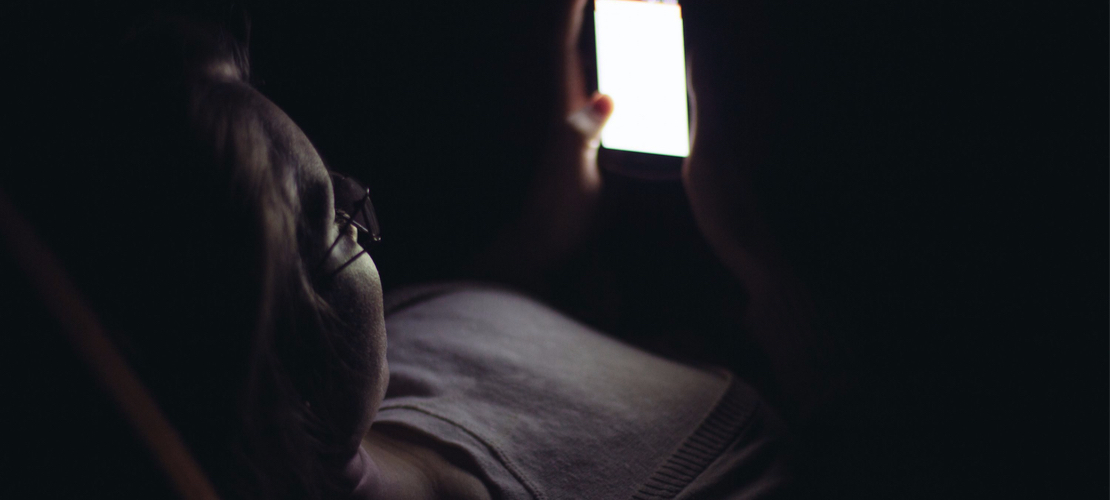
Revenge Bedtime Procrastination in brief
Known by the rather long-winded name of Revenge Bedtime Procrastination, sleep procrastination means putting off bedtime until you reach a state of exhaustion. Everyone has their own method: watching series, chatting online, checking emails and so on. In short, doing anything other than turning off the light and going to sleep to enjoy restorative nights. Behaviour and sleep specialists have only recently begun to study the phenomenon. All are looking for the reasons behind this new kind of procrastination. These include anxiety about the next day, fuelled by the news, and the need to unwind after (overly) long days. The boundaries are becoming increasingly blurred, even more so with remote working.
The health risks
The first danger of this habit is lack of sleep. It brings difficulty getting up, trouble concentrating during the day, irritability and constant brooding on dark thoughts. This behaviour also increases the risk of chronic fatigue, as well as of triggering other illnesses such as type 2 diabetes, obesity, cardiovascular risks, a weakened immune system and more. The term should also be understood as a form of revenge on an unsatisfying day, whether professionally and/or personally. This would explain the desire to make the most of the free time at the end of the day. The attitude can also be a sign of professional burnout, which should be treated at the first signs, to reduce its long-term effects and avoid sinking into a vicious circle.
What solutions can you adopt?
Telling yourself that you are not the only one scrolling through social media late at night is not a valid excuse. As with children whom you forbid to use electronic gadgets, you will have to force yourself to tackle head-on this addiction to social media, and the urge to check the news sites one more time before going to bed.
Before looking for solutions to Revenge Bedtime Procrastination, it is vital to identify the cause or causes. These include days that are too full, split between work and family life. By arranging more flexible hours, with moments of freedom during the day, you will be less inclined to put off going to bed. It can also be helpful to set yourself a cut-off time for screen use, to create a buffer zone before bedtime. That time can be used for reading, talking with the family, looking after yourself and so on. Finally, in extreme cases, consulting a psychologist can help you get back to a normal cycle by identifying and treating underlying problems.
 Health
 Travel
 Beauty