
The keys to a healing night's sleep
Short, sleepless nights. For some 44% of women1, this is a recurring nightmare, quite literally and figuratively. These sleepless nights are the result of the mental pressure of working and family life, but they can also be linked to other factors, such as the menopause or chronic anxiety. Fortunately, there are effective ways to tackle the problem, sleep soundly and protect your health. Let's run through them.
Translated from Dutch. Original title: “De sleutels van een helende slaap”
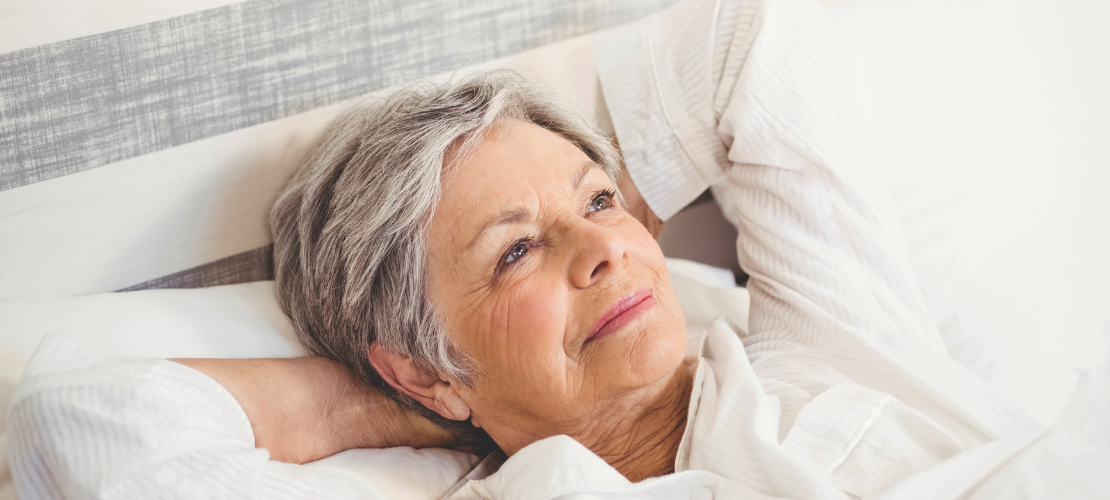
The importance of a good night's sleep
Poor-quality sleep has a greater impact than you might think. But before looking for a solution, it is best to try to identify the cause, especially when 'regular insomnia' sets in over time, i.e. more than three times a week for three weeks (source: Vidal.fr). At that point, a visit to your GP becomes essential, first and foremost to rule out the possible presence of underlying conditions associated with poor sleep, such as diabetes, hyperthyroidism and osteoarthritis. The importance of this check-up is, moreover, confirmed by a study whose results were published in 2023 on the website of the National Library of Medecine2: in a group aged 55 to 64, 90% of depressed patients suffered from symptoms of insomnia. Poor-quality sleep can also cause cognitive problems, with reduced attention and concentration. Getting enough sleep (7 to 9 hours for an adult woman) also helps to keep the heart and blood vessels healthy and to limit the risk of high blood pressure. Quality sleep also boosts immunity. Enough sleep ensures that the body produces sufficient immune cells, such as T-lymphocytes. Although the results of a 2023 study have yet to be officially confirmed (although they can already be found on the cell.com website), sleeping more than 6 hours a night would also stimulate the production of antibodies after vaccination.
A good night's sleep: a ritual to be respected
You can improve your chances of a good night's sleep with a few practical tips that are easy to build into your daily routine. The first and most obvious is to go to bed when your body gives off the first signs of tiredness, such as repeated yawning, a feeling of heavy eyelids or difficulty concentrating. If you ignore these signals, you let the sleep-onset window pass and have to wait for the next cycle to come round. That only happens an hour and a half later.
You will fall asleep more quickly if you go to bed at a regular time and wake up at a regular time. That way, your body clock is perfectly set. But what time should you ideally go to bed? Life coach Sophie Renoir sees it this way: 'If you assume that an adult woman needs 7 to 9 hours of sleep, 10 pm to 11.30 pm is the ideal time to go to bed. But this remains a guideline, because each person needs a different number of hours to feel fit.'
A good night's sleep starts at the evening meal. It should be light and free of fried or overly fatty ingredients. This aids digestion. Alcohol? Although it helps you to fall asleep (more) quickly, it makes your sleep light and unrefreshing. You also wake up more often during the night. There is no place in the bedtime ritual for the smartphone or the habit of quickly scrolling through the news. The constant stream of messages, emails and updates can cause stress and anxiety. A good night's sleep is also prepared during the day with 30 minutes of physical activity in the fresh air. This is an ally in strengthening the deep-sleep phase.
How do you get back to sleep after waking in the night?
During the menopause, it is common to wake up repeatedly during the night. In the long run, this can lead to insomnia. These tips can help. When you wake up, do not look at your alarm clock or your smartphone. Exposure to blue light in the dark reduces the production of melatonin, the hormone that makes you sleepy and regulates your sleep-wake cycle. An alternative may be to walk around for a moment or read a few pages of a soothing book. Drinking a cup of warm milk is also an effective solution. Milk as a nightcap largely stems from the fact that milk contains tryptophan. This essential amino acid is the precursor of serotonin, which is in turn converted into melatonin.
Sleeping pills and alternatives
When sleeping becomes more and more of a problem, some poor sleepers turn to medication based on benzodiazepines and related drugs. Although these work quickly, they may only be used under medical supervision as regards dosage and duration (a maximum of one month). If the figures are to be believed, this quick and easy solution is very popular. According to data from Belgian pharmacies, an average of 1.260.034 sleeping pills and tranquillisers are sold over the counter every day (source: health.belgium.be). Although these can be effective for the occasional treatment of insomnia, sleeping pills can have side effects, such as cognitive disorders, drowsiness, an increased risk of falls in older people, habituation3 and even dependence (found in 38% of women, fagg.be). As the official website health.be also reminds us, we do well to 'think of other solutions first'.
There are several alternatives to sleeping pills. One is a course of melatonin, the so-called sleep hormone, because of its positive effects on falling asleep. Homeopathy can also offer an effective solution for certain forms of mild insomnia. For example, zincum metallicum, a zinc derivative, is ideal for treating intellectual and nervous fatigue. A pharmacist's advice will help you choose the most effective product, depending on the cause of your insomnia. Another alternative is to rely on herbal medicine, with courses of food supplements based on plants with proven calming properties. These include valerian, passionflower, lemon balm and hops. Here too, professional advice is needed to avoid interactions with current treatments. Like valerian, hops are not recommended for people with liver problems.
This article cannot possibly replace professional medical help or advice.
Would you like to receive the best of Fifty & Me in your inbox? Then sign up for the newsletter.
Image © iStock
 Health
 Travel
 Beauty