
Overcoming autophobia, the fear of being alone
Our connected devices can give the impression that the whole world, and our loved ones, are within reach at every moment, forming a kind of extended family. But when, as life will have it, moments of solitude arise, a form of fear can take hold: the fear of being alone with oneself, also known as "autophobia". Fortunately, there are ways to find calm again.
Translated from French. Original title: “Vaincre l’autophobie, cette peur d’être seul.e”
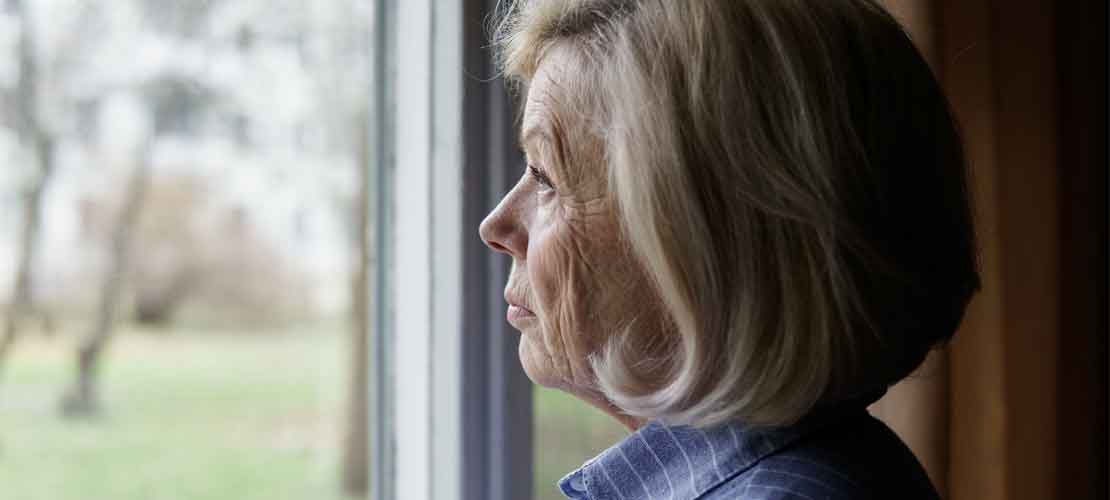
Autophobia in brief
Ranking high among the most common phobias, autophobia is often kept quiet in a society that holds the herd instinct in such high esteem. Admitting to being alone, and to being afraid of it, is not looked upon kindly. The word "autophobia" comes from the Greek, with auto ("oneself") and phobia ("irrational fear"). A person with autophobia is therefore afraid of loneliness and of being confronted with themselves.
Solitude can become a source of suffering when it lasts and is accompanied by a feeling of isolation.
What are the possible causes?
"Autophobia generally results from several possible causes, but all are linked to a feeling of abandonment. The death of a parent in childhood, but also a sense of abandonment felt after a separation within a couple. Finding yourself alone after a divorce can be a traumatic situation, a brutal one to live through," explains Sophie Renoir, life coach.
The recent Covid crisis, with its compulsory lockdowns and remote working, may also have triggered in some more vulnerable people a form of panic at being alone, with no more social contact. The effects may still be felt today.
Numerous and varied symptoms
- Palpitations, dizziness
- Anxiety
- Suicidal thoughts (in serious cases)
- Sleep disorders
- Persistent fatigue
- Negative emotions
- Digestive problems
- Panic attacks
- Heart palpitations
- A constant sense of danger
- A tendency towards emotional blackmail
The importance of moments of solitude
"Occasional solitude should not be seen as something to fear. Quite the opposite. Spending a little time alone with yourself can bring creative inspiration or allow you, at last, to do all those things you dream of. Lounging in bed, going to see that dreadful B-movie at the cinema, taking a long bath and looking after your body... All positive activities that help you to accept solitude better, and to love it," explains Sophie Renoir.
How is autophobia treated?
As with many other phobias, consultations with a psychologist make it possible to confront the phobia, face up to it and accept it. It is a fairly common disorder, and effective solutions abound. Sessions of CBT (cognitive behavioural therapy) are often prescribed. They are sometimes accompanied by a change in lifestyle, to avoid as far as possible the feeling of being alone, such as stopping remote working partially or completely if the solitude proves too exhausting. A deeper, psychoanalytic type of therapy can also be undertaken to work on the origin of the phobia. The key is to open up to a specialist, express how you feel and regain your self-confidence.
Photo Shutterstock.
 Health
 Travel
 Beauty