
Living with trichotillomania: how to cope
Tearing your hair out: a phrase we often use to express worry. But for some women, it is a visible symptom of a little-known disorder: trichotillomania. A behaviour with distressing effects, both physical and psychological. A disorder for which support is available.
Translated from French. Original title: “Comment gérer sa trichotillomanie”
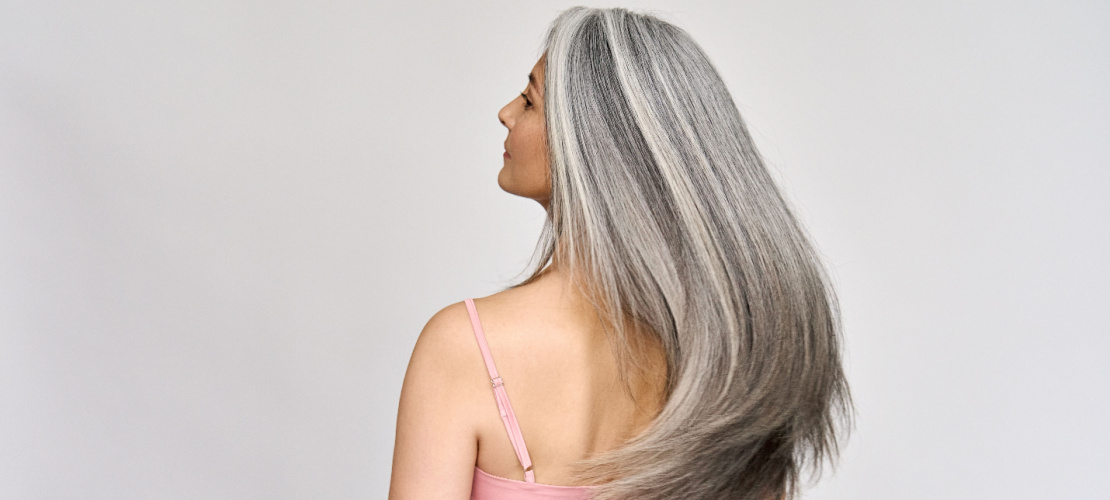
What is trichotillomania?
Trichotillomania is an obsessive-compulsive disorder, often chronic, linked to anxious behaviour. Its effects show in the pulling out of one's own hair, eyebrows and body hair. The pulling is not always focused on one particular area. Trichotillomania is regularly associated with another disorder: trichophagia, the swallowing of the hair that has been pulled out, with possible complications for the digestive system, such as a risk of blockage. "Not only can this disorder lead to premature baldness, it also affects the person's social life, with a withdrawal into themselves caused by feelings of shame," explains Nathalie Moens, behavioural coach. According to the available data, around 80 to 90% of the cases studied are women (source: msdmanuals.com). Why? "Because women are more willing to talk about their problem," says Nathalie Moens.
A disorder with uncertain origins
What are the triggers? The few studies available do not provide unanimous answers. The origins of this compulsion, which the manuals do not always classify as a pathology, remain rather elusive. But the main trigger cited is a poor self-image, which generates feelings of anguish and anxiety. "Pulling out their hair or body hair would allow these women to release the pressure. But it can also simply be a way of relieving boredom," explains Nathalie Moens. Several studies suggest possible links with a genetic predisposition, or with the consequences of a traumatic experience or depression.
What support is available?
The first instinct of the person affected may be to consult a dermatologist. But this specialist will not be able to offer the most effective solution. Once the disorder has been identified and the wish to resolve it accepted, the answer can only lie in psychotherapy, with regular follow-up by a psychologist or psychiatrist. The therapeutic approach is a multi-faceted one and does not bring immediate results. The solution calls for patience and involves sessions of CBT (cognitive behavioural therapy), which has a well-established record in treating mental health disorders. This therapy is based on recognising, then gradually changing, the negative actions brought on by the disorder. In the case of trichotillomania, this means tackling the sources of anguish and stress and working to replace the pulling of hair with another, more natural gesture. CBT is sometimes accompanied by antidepressants, taken over a very limited period, to treat psychological distress that the practitioner considers severe. Treatment for this disorder can only be decided by a professional.
Photo Shutterstock.
 Health
 Travel
 Beauty