
How to ease morning anxiety
Let's face it: waking up feeling anxious is hardly the best way to start the day. It is a condition well known to specialists and more commonly seen among women, who are reportedly twice as likely as men to suffer from morning anxiety (Inserm, 2021).
Translated from French. Original title: “Comment apaiser l’anxiété matinale ?”
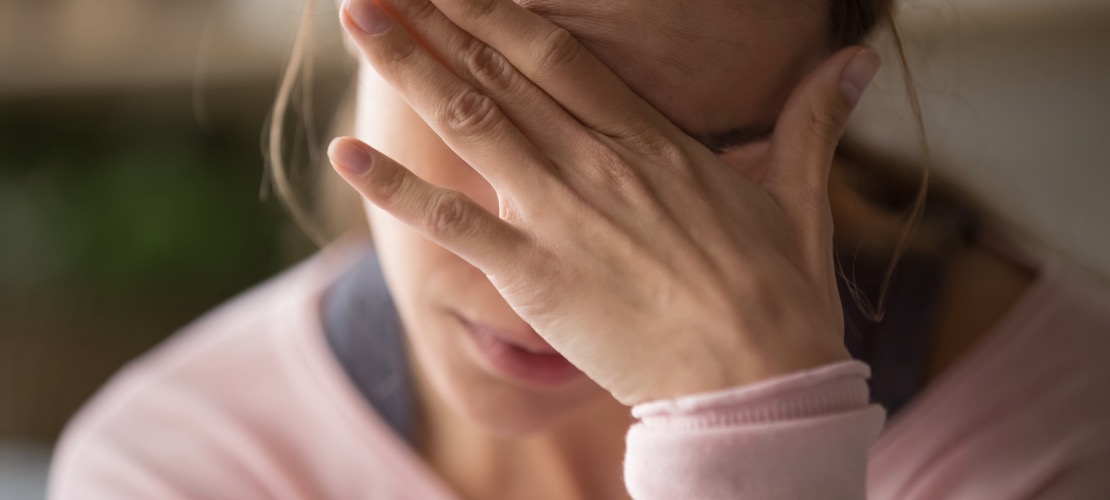
Why do we wake up feeling anxious?
Where does this morning anxiety come from? One first reason would be scientific. By nature, women are said to be more prone to anxious behaviour, as shown by studies such as the one published on the Nature neuroscience website in 2023 (1). But other factors also help to explain it, such as a daily life that generates a great deal of stress. The result would be a high level of cortisol on waking (2). Anxiety can also be triggered by a major change in one's life, as well as by sleep problems, which are common during the menopause.
A high consumption of coffee and/or fizzy drinks may also feed this anxiety, through the caffeine they contain, whose harmful effects are well known. People who are already naturally anxious are advised to cut their daily coffee intake down to one or two cups.
How should we react to ease anxiety on waking?
How should we deal with this morning anxiety? Psychologist Sandra Rollins explains: "There is no instant solution to get rid of morning anxiety. The answer must be tailored to your own personality. But the starting point is always the same: look for the cause of this anxiety and try to address it." Staying in bed and putting up with the anxiety is pointless. It is better to get up and enjoy a morning walk. Natural light will then stimulate the production of serotonin, the happiness hormone. "Taking action can also mean slow, deep breathing, while picturing the good moments that await us during the day, such as lunch with a friend or a workout at the end of the afternoon, etc." says Sandra Rollins.
Anxiety is often fuelled by scrolling on the phone left next to the bed. It is therefore best to resist the temptation to check anxiety-inducing news feeds or emails in this half-asleep state. It is better to let the mind wander so that it can surface more calmly. Using an alarm clock with lighting that mimics natural light can help to achieve this.
When is medical advice necessary?
"In most cases, changing your habits is enough to reduce this anxiety and reach a certain level of letting go. But for a minority of those affected, morning anxiety may call for medical follow-up," explains Sandra Rollins. And this general anxiety is treatable, in particular with cognitive behavioural therapy (CBT), which works on the causes of the anxiety and helps to break down this obstacle to well-being.
References:
https://www.nature.com/articles/s41593-023-01367-8
https://www.ncbi.nlm.nih.gov/pmc/articles/PMC4108290/#:~:text=The%20high%20and%20rapidly%20increasing,mood%20and%20anxiety%20disorders%20and
© Illustration: Shutterstock
 Health
 Travel
 Beauty