
How to deal with anticipatory anxiety
For many people, the return to routine in September means making long-term plans. For others, any thought of the future brings a sense of panic and severe anxiety attacks at the idea of what might go wrong. These are all symptoms of an episode of anticipatory anxiety.
Translated from French. Original title: “Comment traiter l’anxiété d’anticipation”
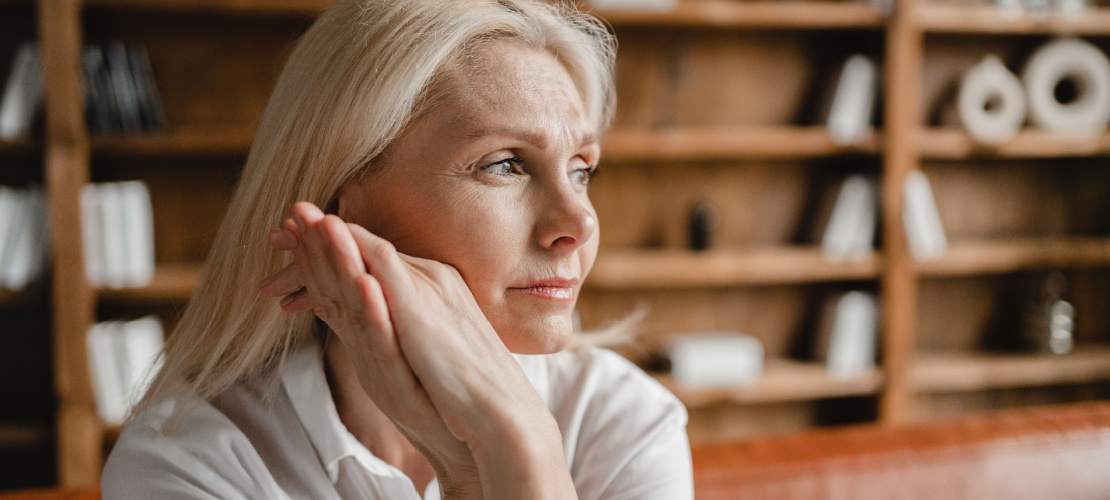
What exactly is anticipatory anxiety?
Behind this behavioural disorder lies the tendency of the person concerned to picture an imaginary event in a negative light. This type of anxiety is based on anticipating what could go wrong. For example, someone may get up in the morning imagining a possible accident for a loved one who has set off by car. They may also feel a knot in the stomach while imagining bad results from a medical examination they have to undergo. "This is a harmful type of anxiety because it is irrational. Several factors can help explain the presence of anticipatory anxiety, such as a past trauma that constantly interferes with everyday life, or a family pattern of behaviour that we repeat once we are adults. Anxious parents will very often pass their anxiety on to their children," explains Béatrice Nicolas, a psychologist.
When anxiety becomes pathological
While worrying about our loved ones or ourselves is perfectly natural, the situation becomes more complicated when anxiety takes control of how we manage our daily lives. It then paralyses the person concerned, who becomes unable to look ahead without fear. "Anticipatory anxiety can also come with physical symptoms, such as regular stomach pain, insomnia or frequent waking in the night, hyperventilation, typical anxiety attacks or digestive problems. Generally, people affected by the condition tend to be perfectionists and already naturally anxious," explains Béatrice Nicolas. Anxiety disorders are said to be twice as common among women (source: has-sante.fr).
How can you limit the effects of anticipatory anxiety?
Reducing episodes of anticipatory anxiety begins with a few habits to adopt, such as trying to change your mindset. Instead of seeing everything in black, trying to spot the positive side of every situation can help, even if it means failing at what you set out to do. It also means having friends and family who can offer support and encouragement. Action can also be taken by cutting out stimulants in our diet: coffee, tea, alcohol and tobacco. But this advice will generally not be enough in more severe cases. "It is difficult, if not impossible, to resolve this disorder on your own. An appointment with a specialist, a psychiatrist or a psychologist, will very often be necessary in order to begin therapy. The first step is to target the physical effects of the anxiety with a temporary course of medication. In a second phase, the therapist will begin therapy, such as hypnosis or CBT (cognitive behavioural therapy). The aim will be to look for the possible causes of this anxiety and to treat them together," concludes Béatrice Nicolas.
Photo Shutterstock.
 Health
 Travel
 Beauty