
How to Beat the Winter Blues
Translated from French. Original title: “Quelles solutions adopter pour réduire la dépression hivernale ?”
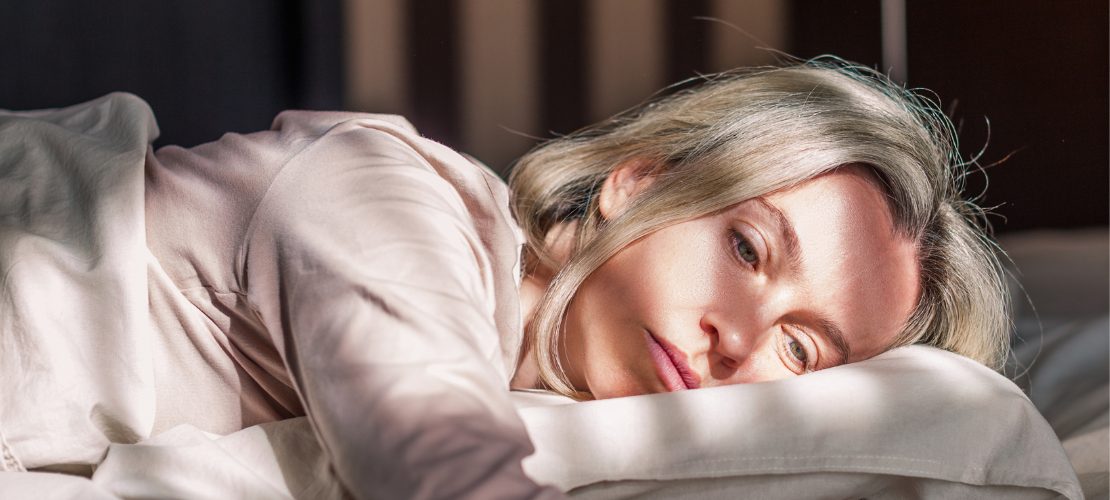
Seasonal depression: what is it?
Seasonal depression, also known as Seasonal Affective Disorder (SAD), is a fairly common condition. Studies such as the one carried out by the Yale School of Medicine show that its main cause lies in low ambient light. Its effects begin to be felt in autumn and reach their peak in winter, when the days are at their shortest. Research also shows that seasonal depression is three times more common in women, although no definitive explanation has been found. It is important to note that feeling low during the winter, on a temporary basis, is nothing to worry about. The little dip in mood that we all feel at this time of year is not necessarily a warning sign. A diagnosis of seasonal depression is made when the symptoms return every year at the same time.
The characteristic symptoms of winter depression
Winter depression is marked by the classic symptoms of depression, together with some specific signs. Among the most common are hypersomnia, an excessive need for sleep, a general drop in vitality with a lack of energy, and a tendency to eat more, particularly sugary foods. Mood disorders can also appear, such as irritability and sadness, accompanied by negative rumination, that is, recurring dark thoughts. Other symptoms include a reduced libido, difficulty concentrating and withdrawal, with a tendency to isolate oneself.
How can you lift your mood?
Taking a preventive approach is one of the best solutions. According to life coach Sophie Renoir, going outside every day to enjoy natural light is essential. At least thirty minutes of sunshine is enough to recharge your batteries, while also encouraging the production of vitamin D, which is ideal for boosting the release of serotonin, the famous happiness hormone. It is also possible to take vitamin D in the form of food supplements, or to add foods rich in vitamin D to your diet, such as oily fish, eggs and dairy products. Another way of bringing in more light is light therapy, which involves exposing yourself daily to a light therapy lamp (around 10,000 lux) for about thirty minutes.
When should you consider treatment for depression?
If the symptoms become more severe or persist abnormally, it may be worth consulting a doctor to obtain suitable treatment. When taken at a precise dose and for a limited period, antidepressants can help to relieve the symptoms of seasonal depression. Another alternative is to see a specialist in cognitive behavioural therapy (CBT), who helps to target negative emotions and manage the symptoms.
Would you like to receive the best Fifty & Me articles in your inbox? Sign up to the newsletter!
© Illustration: Shutterstock
 Health
 Travel
 Beauty